

Introduction
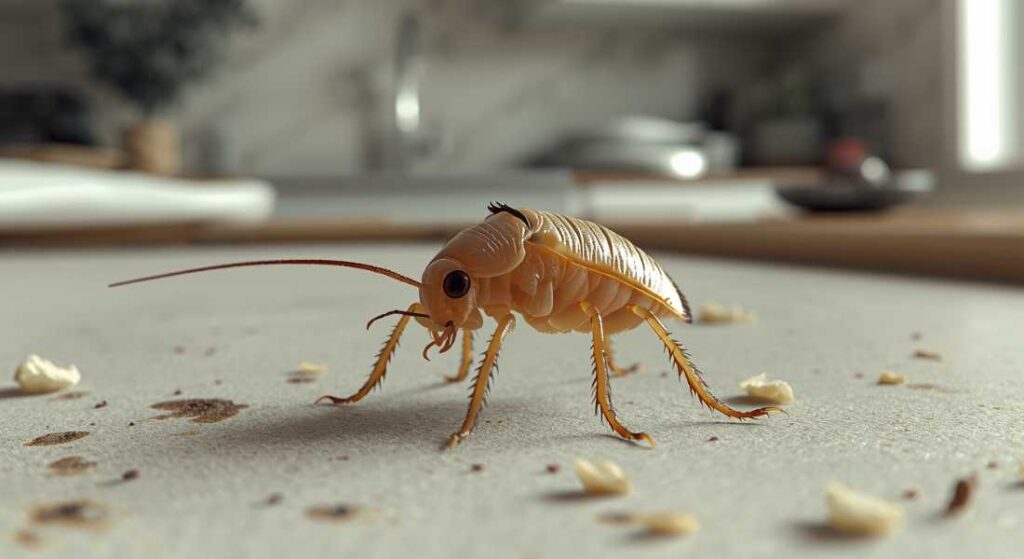
Why am I seeing cockroach nymphs suddenly? This question often signals a hidden infestation that has been quietly growing in your home for weeks or even months. Baby roaches don’t appear out of nowhere.
Their presence means adult cockroaches have been breeding successfully in concealed areas and the population has reached a critical point where nymphs are now venturing into visible spaces.
Understanding why these young roaches suddenly become noticeable is crucial for effective pest control.
This comprehensive guide explains the reasons behind sudden nymph sightings and provides actionable solutions to protect your home from a full-blown cockroach problem.
What Are Cockroach Nymphs?
Cockroach nymphs are immature roaches that have recently hatched from egg cases called oothecae. These baby roaches look like smaller versions of adults but lack fully developed wings and reproductive capabilities.
Nymphs go through multiple molting stages before reaching adulthood. During this growth period they remain close to their nesting areas where food and moisture are abundant.
Their sudden appearance in your living spaces indicates that the hidden population has grown large enough to force younger roaches to search for resources in new territories.
Physical Characteristics of Baby Roaches
Baby roaches are typically dark brown to black in color and measure between 3 to 10 millimeters depending on their developmental stage. Their bodies appear more rounded and softer compared to adults.
Some species like German cockroach nymphs have distinctive light-colored bands across their backs. These markings help differentiate them from other household pests that might resemble baby roaches.
Primary Reasons You’re Seeing Baby Roaches Suddenly
Hidden Infestation Has Matured
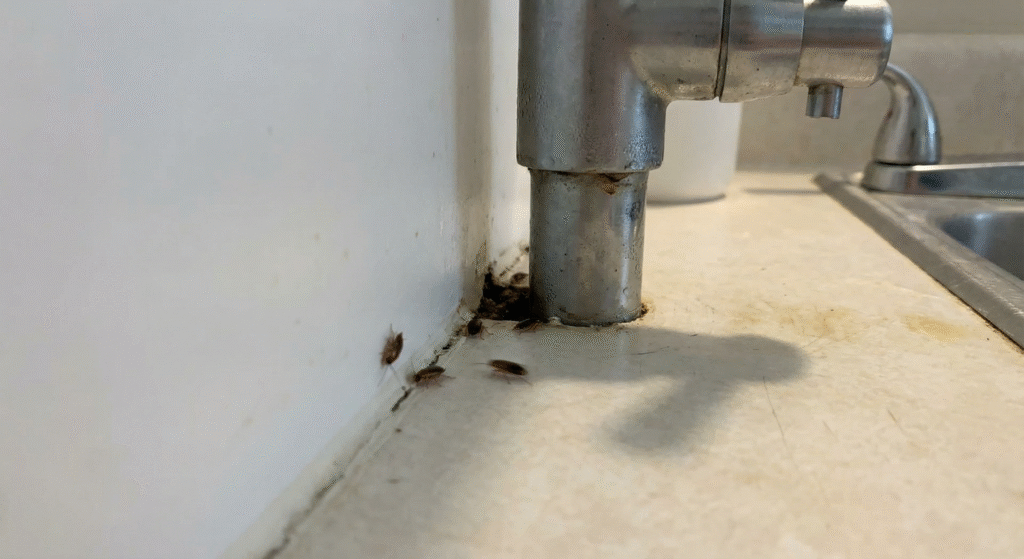
The most common reason for suddenly seeing cockroach nymphs is that an established infestation has reached maturity. Adult roaches have been breeding in wall voids, under appliances or inside cabinets for several weeks.
When egg cases hatch simultaneously multiple nymphs emerge at once. This population surge overwhelms the original nesting space and forces young roaches to explore new areas including those visible to homeowners.
Seasonal Temperature Changes
Temperature fluctuations significantly affect cockroach activity patterns. Warmer weather accelerates their reproductive cycle causing more frequent hatching events.
Cold weather drives roaches deeper into homes seeking warmth. This migration brings nymphs from outdoor or peripheral areas into main living spaces where they become more noticeable.
Disturbance of Nesting Sites
Recent home renovations, deep cleaning or moving furniture can disturb cockroach nesting sites. When their hiding spots are disrupted nymphs scatter into open areas.
This sudden displacement explains why homeowners often report seeing baby roaches immediately after cleaning behind appliances or reorganizing storage spaces.
Increased Moisture Availability
Cockroaches require consistent moisture to survive. Plumbing leaks, condensation issues or increased humidity create ideal conditions for nymph survival and activity.
Bathrooms and kitchens with moisture problems become hotspots for baby roach sightings. The combination of water and food residue supports rapid population growth in these areas.
Why Seeing Baby Roaches Is More Serious Than Adults
Spotting nymphs actually indicates a more severe problem than seeing occasional adult roaches. Baby roaches cannot travel far from their birthplace, so their presence confirms active breeding happening very close to where you spotted them.
A single female German cockroach can produce up to 400 offspring in her lifetime. When you see multiple nymphs the actual population hidden in your walls or cabinets is likely much larger.
The Mathematics of Cockroach Reproduction
Cockroaches reproduce exponentially under favorable conditions. What starts as a few adults can become thousands within months.
Each egg case contains between 10 to 50 eggs depending on species. Multiple females laying eggs simultaneously creates waves of nymphs that appear to emerge suddenly even though the breeding process has been ongoing.
Common Places Where Baby Roaches Appear
Bathroom Sightings
Seeing baby roaches in bathrooms is extremely common due to constant moisture availability. Nymphs congregate around pipe openings, under sinks and behind toilets.
Bathrooms provide the humid environment nymphs need during their vulnerable molting stages. Morning sightings often occur because roaches are most active during nighttime hours.
Kitchen Encounters
Kitchens offer both food and water making them primary habitats for cockroach colonies. Baby roaches appear near trash cans, under refrigerators and inside pantry areas.
Grease buildup and food crumbs in hard-to-clean spaces support nymph development. Even small amounts of residue provide sufficient nutrition for young roaches.
Nighttime vs Daytime Activity
Seeing baby roaches during the day is particularly concerning. Cockroaches are nocturnal insects that avoid light whenever possible.
Daytime sightings suggest the population has grown so large that competition for resources forces some nymphs to forage during hours when they would normally hide. This behavior indicates severe overcrowding in nesting areas.
Bugs That Look Like Baby Roaches
Several household pests resemble cockroach nymphs causing identification confusion. Carpet beetle larvae have similar coloring but feature distinctive hair-like bristles.
Bed bug nymphs are smaller and more reddish-brown while cricket nymphs have longer antennae and different body proportions. Ground beetles and some types of water bugs also share visual similarities with young roaches.
Proper identification is essential for effective treatment. When in doubt capture a specimen and consult with pest control professionals or use online identification resources for accurate determination.
Why You See Baby Roaches But No Adults
The absence of adult roaches despite numerous nymph sightings has logical explanations. Adults are more cautious and better at avoiding detection due to their experience and size.
Baby roaches are less developed in survival instincts and more likely to wander into open spaces. Adults remain hidden in secure harborage areas emerging only when absolutely necessary for food and water.
Additionally some cockroach species show different activity patterns based on life stage. Nymphs may forage at different times or in different locations than mature roaches within the same colony.
Immediate Actions When You Find Cockroach Nymphs
Document the Sightings
Keep a record of where and when you see baby roaches. Note the time of day, specific locations and approximate numbers.
This documentation helps identify infestation severity and tracks whether your control efforts are working. Patterns in sightings reveal nest locations and entry points.
Clean Thoroughly
Remove all food sources and eliminate moisture problems immediately. Deep clean areas where you’ve spotted nymphs focusing on grease removal and food residue.
Vacuum cracks and crevices where roaches hide. Dispose of vacuum contents in sealed bags outside your home to prevent roaches from escaping back into living spaces.
Seal Entry Points
Inspect your home for gaps around pipes, electrical outlets and baseboards. Seal these openings with caulk or expanding foam to prevent roaches from spreading to new areas.
Pay special attention to spaces behind appliances and under sinks where plumbing creates natural entry routes. Weatherstrip doors and repair torn window screens.
Apply Targeted Treatments
Use gel baits specifically formulated for cockroaches in areas where nymphs have been spotted. These baits attract roaches and contain slow-acting insecticides that spread throughout the colony.
Apply boric acid powder in wall voids and other hidden spaces. This desiccant kills nymphs by damaging their exoskeletons when they walk through treated areas.
Professional Pest Control Considerations
Why am I seeing cockroach nymphs suddenly despite my cleaning efforts? Sometimes infestations are too established for DIY methods alone. Professional exterminators have access to more powerful treatments and specialized equipment.
Licensed pest control technicians can identify cockroach species, locate all nesting sites and develop comprehensive treatment plans. They use methods like insect growth regulators that prevent nymphs from maturing and reproducing.
Professional services typically involve multiple treatments over several weeks. This approach addresses eggs that haven’t hatched yet and ensures complete colony elimination.
Prevention Strategies for Long-Term Control
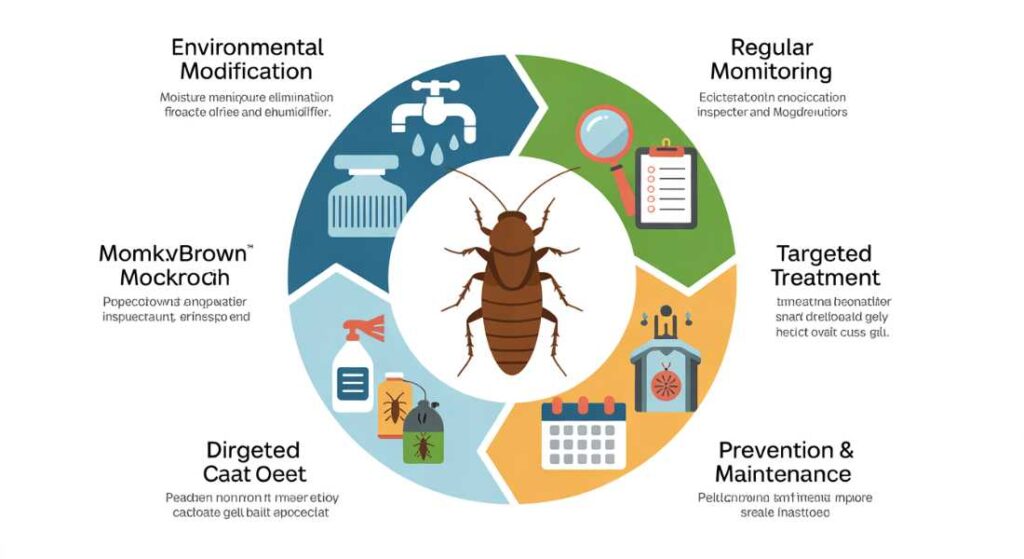
Eliminate Moisture Sources
Fix all plumbing leaks promptly and ensure proper ventilation in bathrooms and kitchens. Use dehumidifiers in damp basements or crawl spaces.
Wipe down sinks and tubs after use to remove standing water. Address condensation on pipes by adding insulation.
Proper Food Storage
Store all food in sealed containers including pet food. Clean up crumbs and spills immediately after meals.
Take out garbage regularly and use trash cans with tight-fitting lids. Avoid leaving dirty dishes in sinks overnight.
Regular Maintenance
Schedule routine inspections of areas prone to cockroach activity. Check under appliances, inside cabinets and around water heaters quarterly.
Maintain cleanliness in often-overlooked spaces like behind refrigerators and inside pantries. Declutter storage areas to eliminate potential hiding spots.
Understanding Different Cockroach Species
German cockroaches are the most common indoor species and reproduce faster than other types. Their nymphs are particularly numerous and appear in large groups.
American cockroaches are larger and their nymphs take longer to develop. Oriental cockroach nymphs prefer cooler, damper environments and are often found in basements.
Knowing which species has invaded your home helps determine the most effective treatment approach. Each species has unique behaviors and vulnerabilities that can be exploited during pest control efforts.
Health Risks Associated with Cockroach Infestations
Cockroach nymphs and adults carry bacteria that cause food poisoning and gastroenteritis. Their droppings and shed skins contain allergens that trigger asthma attacks and allergic reactions.
Young children and individuals with respiratory conditions face higher risks in homes with cockroach infestations. The accumulation of roach debris in living spaces creates ongoing health hazards.
Addressing infestations quickly reduces exposure to these health threats. The presence of nymphs indicates active contamination of your living environment.
How Long Does It Take to Eliminate an Infestation?
Complete cockroach elimination typically requires four to six weeks of consistent treatment and monitoring. Initial treatments kill active nymphs and adults while subsequent applications address newly hatched roaches.
Patience is essential because egg cases protect developing nymphs from most insecticides. Multiple treatment cycles ensure all life stages are eventually eliminated.
Continue monitoring for at least two months after the last roach sighting. Premature cessation of control efforts can allow the population to rebound from surviving individuals.
Frequently Asked Questions
Why am I seeing so many baby roaches?
Large numbers of baby roaches indicate an established breeding population in your home. Multiple egg cases have hatched recently creating a sudden surge in visible nymphs.
This situation requires immediate action because the population will continue growing exponentially if left untreated.
What does it mean if I see a cockroach nymph?
Seeing a cockroach nymph confirms active breeding is occurring very close to where you found it.
Nymphs cannot travel far from their nesting site so their presence indicates a colony nearby. One visible nymph typically represents dozens more hidden in walls, cabinets or appliances.
Why do I keep seeing little cockroaches?
Repeated sightings of small roaches suggest an ongoing infestation that hasn’t been adequately addressed. The colony continues producing new nymphs faster than your current control methods can eliminate them.
Enhanced treatment strategies and identification of all nesting sites are necessary to break this cycle.
What to do if you find cockroach nymphs?
When you discover cockroach nymphs immediately clean the area thoroughly and remove all food and water sources. Apply gel bait nearby and inspect surrounding spaces for additional roaches.
Document the location and consider professional pest control if you find multiple nymphs or continue seeing them after DIY treatment attempts.
Can baby roaches survive without adults?
Yes, cockroach nymphs can survive independently once they hatch because they feed themselves immediately.
However, they follow pheromone trails left by adults to find food and water sources. The absence of adults doesn’t mean nymphs will die off naturally as they will simply mature into breeding adults themselves.
How can I tell if baby roaches are German cockroaches?
German cockroach nymphs have two distinctive dark parallel stripes running lengthwise on their backs just behind the head.
They are smaller than other species, typically brown to black in color and tend to stay near kitchens and bathrooms where they have constant access to moisture.
Conclusion
Why am I seeing cockroach nymphs suddenly? This question reveals a hidden infestation that requires immediate and comprehensive action. The presence of baby roaches confirms active breeding cycles happening in concealed areas of your home.
Success in eliminating cockroaches depends on combining thorough cleaning with targeted treatments and ongoing prevention. Address moisture problems, eliminate food sources and seal entry points while applying appropriate insecticides or baits.
Remember that seeing nymphs is actually an opportunity to address the infestation before it grows even larger. Take action today and maintain vigilance in the weeks ahead.
With consistent effort and proper methods you can reclaim your home from these persistent pests and prevent future invasions.