

Introduction
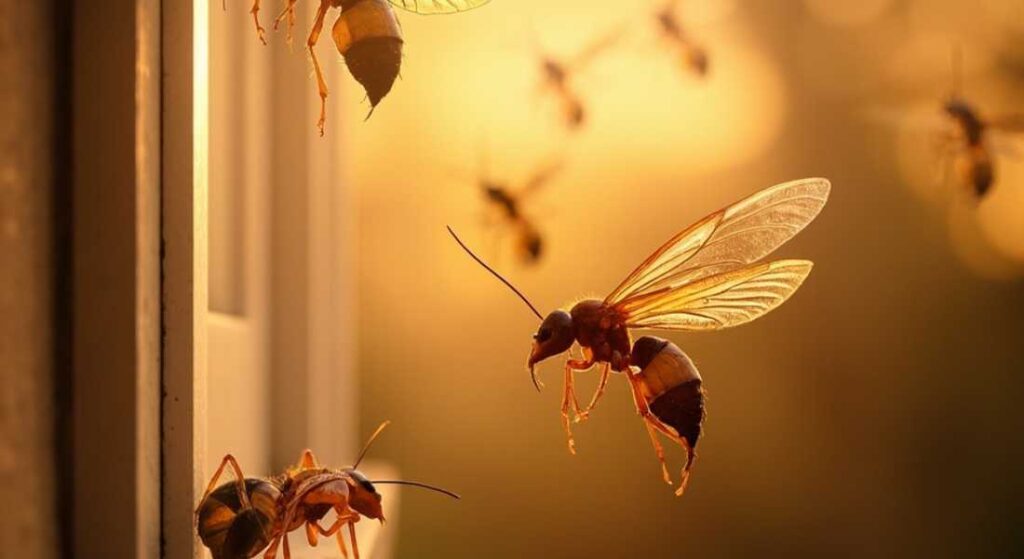
What do swarmer termites do? These winged insects emerge from established colonies during specific seasons to mate and establish new colonies. Understanding their behavior is essential for homeowners because a termite swarm often signals an active infestation nearby.
When you spot flying termites around your property, it means a mature colony is releasing reproductives to expand their population. This natural process can seem alarming, but knowing what these insects are doing helps you respond appropriately and protect your home from potential damage.
Understanding Swarmer Termites and Their Purpose
Swarmer termites are reproductive members of a termite colony that have developed wings specifically for mating flights. Unlike worker termites that stay hidden inside wood structures, these insects venture outside during warm and humid conditions.
Their primary role is colony expansion. Once the swarmers leave their original nest, they fly short distances to find suitable locations for new colonies. After landing, they shed their wings and pair up with a mate to start the reproductive process.
The Life Cycle of Termite Swarmers
The development of these winged reproductives takes several years. A termite colony must mature for three to five years before producing swarmers. This timeline means that if you observe a termite swarm on your property, an established colony has been active nearby for quite some time.
After emerging from the colony, swarmers have a brief window to find mates and suitable nesting sites. Most of these insects do not survive this journey due to predators, weather conditions, or unsuitable landing spots.
Do Swarming Termites Eat Wood
A common misconception needs clarification here. Swarmer termites do not eat wood during their brief flight period. Their sole focus is reproduction and colony establishment.
Once a pair successfully mates and establishes a new colony, they transform into the king and queen. The queen then begins laying eggs that will hatch into worker termites. These workers are the ones that actually consume wood and cause structural damage to homes.
Why Flying Termites Suddenly Appear
Several environmental triggers cause termite swarms to emerge simultaneously. Temperature and humidity are the primary factors that signal the right conditions for swarming.
Spring and early summer typically see the most termite swarming activity. Warm temperatures combined with moisture from rain create ideal conditions. However, some species swarm during other seasons depending on local climate patterns.
Why Do Flying Termites Suddenly Appear at Night
Many homeowners notice termites swarming outside near lights during evening hours. This behavior occurs because these insects are strongly attracted to light sources.
If you see swarming termites in house areas at night, they have likely been drawn to your indoor or outdoor lighting. Windows, porch lights, and other illuminated areas become gathering points during evening swarm events.
Why Do Flying Termites Suddenly Die
The lifespan of a flying termite outside the colony is remarkably short. Most swarmers die within a few hours of their flight due to exhaustion, dehydration, or predation.
This rapid mortality explains why you might find piles of dead winged termites and discarded termite wings in house locations the morning after a swarm. Only a tiny percentage of swarmers successfully establish new colonies.
Identifying Termite Swarmers in Your Home
Recognizing these pests correctly helps you take appropriate action. Winged termites have distinct characteristics that separate them from similar insects like flying ants.
Does termites have wings? Yes, but only the reproductive caste develops them. These wings are equal in length and have a translucent, veined appearance. The body appears straight and thick through the middle, unlike ants which have pinched waists.
Signs of Termite Wings in House Areas
Finding discarded wings is often the first clue homeowners notice. After swarming termites land and pair up, they deliberately shed their wings because they no longer need them.
Check windowsills, door frames, and areas near light fixtures. Piles of delicate wings that look like fish scales indicate recent swarming activity. This evidence suggests a colony exists within or very close to your structure.
Termites Swarming Outside vs Inside
Location matters when assessing the threat level. Termites swarming outside your home might indicate a colony in a nearby tree stump, woodpile, or neighbor’s property. While concerning, this presents less immediate danger than indoor swarms.
A termite swarm in house locations signals a much more serious problem. It means a colony has established itself within your home’s structure. This situation requires immediate professional assessment and treatment.
Do Termite Swarmers Bite or Pose Direct Dangers
Homeowners often worry about potential harm from these insects. Do termites bite humans? The simple answer is that swarmer termites lack the mouthparts to bite effectively.
Unlike soldier termites that defend the colony, swarmers have soft bodies optimized for flight and reproduction rather than defense. You can handle them without fear of being bitten.
Are Termite Swarmers Dangerous to Your Health
Flying termite bites are not a health concern because these insects do not bite. They pose no direct threat to human health through venom, disease transmission, or aggressive behavior.
However, a termite swarm in house dangerous situations exist due to the structural damage the colony can cause. The real threat comes from the hidden colony producing these swarmers, not the flying insects themselves.
Do Winged Termites Bite Pets or Children
Parents and pet owners can rest assured that these insects show no interest in biting. Do flying termites bite when disturbed? No, they simply try to escape toward light sources.
The presence of swarmers should prompt concern about property damage rather than physical harm. Focus your attention on locating and eliminating the source colony.
How to Get Rid of Termite Swarmers
Effective management requires understanding that killing visible swarmers addresses only symptoms, not the underlying problem. The colony producing them remains the true concern.
Immediate steps can reduce the nuisance while you arrange professional treatment. Vacuuming up swarmers provides quick removal, and turning off lights reduces attraction during evening swarm events.
How to Get Rid of Termite Swarm Indoors
When you discover swarming termites in house spaces, quick action prevents panic and mess. Use a vacuum cleaner to capture flying and landed insects efficiently.
Seal the vacuum bag in plastic before disposing of it outside. This prevents any surviving insects from escaping back into your home. Clean up discarded wings thoroughly as they continue to attract more swarmers.
How to Stop Termite Swarmers from Entering
Prevention focuses on blocking entry points and reducing attractants. Check window screens for tears and gaps that allow access. Weather stripping around doors should fit tightly without openings.
During known swarming seasons, close windows and doors during peak activity times, typically late afternoon and evening. Draw curtains or blinds to reduce light visibility from outside.
Swarmer Termites How to Get Rid of the Colony
Surface treatments that kill visible swarmers do nothing to eliminate the colony. Professional termite treatment targets the nest itself through various methods depending on termite species and infestation extent.
Liquid termiticides create barriers in soil that kill termites attempting to enter or exit the colony. Bait systems attract worker termites that carry poison back to feed colony members. Fumigation treats severe infestations throughout entire structures.
Long-Term Prevention and Professional Treatment
Understanding what do swarmer termites do helps you recognize when professional intervention becomes necessary. A single swarm event indicates years of undetected colony growth.
Schedule a professional termite inspection if you observe swarmers on or near your property. Licensed pest control experts use specialized tools to detect hidden colonies and assess damage extent.
Protecting Your Home After a Swarm Event
Annual termite inspections provide peace of mind and early detection. Many infestations grow for years before producing visible swarmers, making regular professional monitoring valuable.
Moisture control reduces termite attraction to your property. Fix leaky pipes, improve drainage away from foundations, and ensure proper ventilation in crawl spaces. Remove wood debris, stumps, and lumber stored against your home’s exterior.
When to Call Pest Control Professionals
Do not delay professional help if you experience repeated swarm events or find evidence of termites swarming in house locations multiple times. Each swarm represents thousands of potential new colonies.
Termite damage progresses silently and can compromise structural integrity before becoming visible. Professional treatment protects your investment and prevents costly repairs that result from delayed action.
FAQs
What is the main purpose of swarmer termites?
What do swarmer termites do in nature? Their biological role focuses entirely on reproduction and colony expansion. These winged reproductives leave mature colonies to mate and establish new termite populations in different locations.
How long does a termite swarm last?
Most swarm events last between 30 to 40 minutes. The insects emerge in large numbers, fly short distances, land, and shed their wings quickly. You might notice activity for a few hours as stragglers continue emerging, but the main event is brief.
Can I ignore termite swarmers if they are outside?
While outdoor swarms pose less immediate threat than indoor ones, they still warrant attention. The colony producing those swarmers exists somewhere nearby, potentially in landscape wood or moving toward your home. Schedule an inspection to determine the source location.
Do all termites develop wings and swarm?
No, only reproductive termites develop wings. Worker termites and soldier termites remain wingless throughout their lives and never leave the colony. The reproductives represent a small percentage of the total colony population.
What attracts termite swarmers to my house?
Light sources are the primary attractant during swarm events. Outdoor lighting, windows with indoor lights visible, and porch fixtures all draw flying termites. Moisture problems and wood-to-soil contact also make properties attractive for colony establishment.
Should I spray insecticide on swarming termites?
Spraying visible swarmers provides temporary satisfaction but does not solve the problem. The colony remains untouched and will continue causing damage. Save your money for professional treatment that targets the nest itself rather than just the symptoms.
Conclusion
Understanding what do swarmer termites do empowers you to respond appropriately when these winged insects appear. Remember that swarmers themselves cause no direct harm and do not eat wood during their brief flight period.
Their presence signals an established colony that requires professional attention. While you can remove visible swarmers through vacuuming and reduce attractants by controlling lights, only comprehensive treatment eliminates the true threat.
Take swarm events seriously as warning signs rather than isolated nuisances. Prompt professional inspection and treatment protect your home from the extensive damage that termite colonies can inflict over time. Your proactive response today prevents costly structural repairs tomorrow.