

Introduction
Type of insects refers to the vast classification of six-legged arthropods that inhabit nearly every environment on Earth. From tiny ants marching across kitchen counters to butterflies gracing garden flowers, these creatures play crucial roles in our ecosystems while sometimes posing challenges in our daily lives.
Understanding the different types of insects helps us identify which species are beneficial and which require immediate attention.
This comprehensive guide explores major insect categories, their characteristics, potential health risks, and practical solutions for managing unwanted visitors in your living spaces.
Understanding Insect Classification and Lower Classifications
Insects belong to the class Insecta and represent the most diverse group of animals on our planet. Scientists have identified over one million species, yet millions more remain undiscovered in remote regions.
The order of insects divides these creatures into distinct groups based on shared characteristics. Major orders include Coleoptera (beetles), Lepidoptera (butterflies and moths), Hymenoptera (bees and wasps), Diptera (flies), and Orthoptera (grasshoppers and crickets).
Each order contains thousands of species adapted to specific environments and lifestyles.
Insect lower classifications break down further into families, genera, and species. This hierarchical system helps entomologists organize and study the incredible diversity within the insect world.
Understanding these classifications proves valuable when identifying insects in your home or garden.
Common Types of Insects Found in Homes and Gardens
Cockroaches: Resilient Urban Survivors
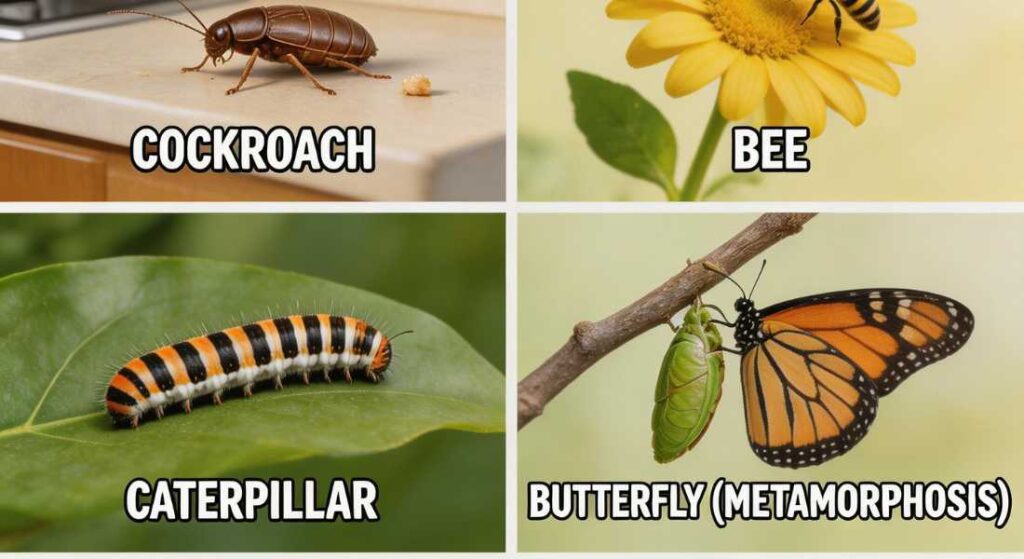
Roaches rank among the most unwelcome household visitors worldwide. These ancient insects have survived for millions of years through remarkable adaptability.
A cockroach typically measures between half an inch to two inches depending on the species, with the German cockroach being smaller than the American variety.
What is a roach beyond just a pest? These insects are actually highly intelligent creatures with complex social behaviors.
They can survive weeks without food and hold their breath underwater for extended periods. Cockroach species number over 4,000 globally, though only about 30 species commonly invade human structures.
The cockroach size varies significantly across different types. Some tropical species grow as large as your palm, while common household roach bugs remain relatively small. These nocturnal creatures prefer warm, humid environments and often hide in cracks, behind appliances, and under sinks during daylight hours.
Grasshoppers: Leaping Garden Residents
The grasshopper insect belongs to the order Orthoptera and plays important roles in grassland ecosystems.
Grasshopper meaning extends beyond simple identification as these creatures serve as both prey for numerous animals and occasional agricultural pests when populations explode.
Grasshopper bugs possess powerful hind legs designed for jumping distances up to 20 times their body length. Their distinctive appearance includes long antennae, large eyes, and strong mandibles for chewing plant material.
While most grasshoppers live solitary lives, certain species can transform into destructive locust swarms under specific environmental conditions.
The grasshopper rhino represents one fascinating variety, though this term sometimes causes confusion.
These insects communicate through sounds produced by rubbing their legs against their wings, creating the familiar chirping heard in meadows during summer evenings.
Caterpillars: Transformation in Progress
Is a caterpillar an insect? Yes, absolutely. The caterpillar represents the larval stage of butterflies and moths, making it very much part of the insect world. This caterpillar animal undergoes one of nature’s most remarkable transformations through metamorphosis.
Types of caterpillars vary dramatically in appearance, size, and behavior. Some species appear smooth and green, blending perfectly with leaves, while others display vibrant warning colors or possess defensive spines. The caterpillar bug identification often confuses people because these larvae look vastly different from their adult forms.
Caterpillar insects consume enormous amounts of plant material to fuel their growth. A single caterpillar can increase its body weight by thousands of times within just a few weeks.
Types of caterpillar species number in the tens of thousands, each specialized for specific host plants.
Complete Bugs and Insects List: 15 Types of Insects You Should Know
Creating a comprehensive list of insects helps identify the creatures sharing our environment. Here are major categories worth understanding:
Beetles represent the largest insect order with over 400,000 known species. These insects possess hard wing covers called elytra that protect their delicate flying wings underneath. From tiny ladybugs to massive rhinoceros beetles, this group displays incredible diversity.
Ants form complex colonies with sophisticated social structures. These tiny powerhouses can lift objects many times their body weight and communicate through chemical signals called pheromones.
Despite their small size, ants significantly impact ecosystems and occasionally invade homes seeking food and water.
Flies include common houseflies, fruit flies, and mosquitoes. These two-winged insects often carry diseases and pose health risks when they land on food surfaces. Their rapid reproduction rates make fly infestations challenging to control without proper sanitation.
Bees and wasps belong to the order Hymenoptera and serve crucial pollination roles. While beneficial outdoors, their stings can cause painful reactions and occasionally trigger severe allergic responses in sensitive individuals.
Termites silently destroy wooden structures from the inside out. These social insects cause billions in property damage annually. Early detection proves critical for preventing extensive structural harm to homes and buildings.
Health Risks and Concerns Related to Common Insects
Many insects pose genuine health threats beyond simple nuisance factors. Understanding these risks helps prioritize prevention and treatment strategies.
Bed bugs have resurged dramatically in recent decades, infesting hotels, apartments, and homes worldwide. These tiny parasites feed exclusively on blood and leave itchy, inflamed bite marks on human skin.
Bed bug treatment at home requires thorough inspection and multiple intervention approaches for successful elimination.
What kills bed bugs instantly? High heat above 120°F proves most effective, which explains why professional heat treatments work so well. However, bed bug treatment ointment can soothe the irritating bites while addressing the infestation itself.
Bed bug treatment for humans focuses primarily on relieving symptoms and preventing secondary infections from scratching.
Understanding what chemical kills bed bugs and their eggs helps choose effective products. Pyrethroids, desiccants, and insect growth regulators each target different life stages.
The bed bug treatment cost varies widely depending on infestation severity and chosen methods, ranging from DIY solutions to professional extermination services.
The most effective bed bug treatment typically combines multiple approaches including heat, chemical applications, and physical removal. Many people seek 15 home remedies for bed bugs, including diatomaceous earth, essential oils, and steam cleaning.
While some home methods provide temporary relief, severe infestations usually require professional intervention.
Mosquitoes transmit dangerous diseases including malaria, dengue fever, West Nile virus, and Zika virus. These flying insects breed in standing water and become active during dawn and dusk hours. Eliminating breeding sites around your property significantly reduces mosquito populations.
Cockroaches trigger asthma and allergies, especially in children. Their droppings, shed skins, and saliva contain proteins that become airborne and irritate respiratory systems. Maintaining cleanliness and sealing entry points helps prevent roach infestations before they establish.
Identifying Insects: Names, Characteristics, and Behavior
Learning insect names and characteristics enables quick identification when encountering unfamiliar species. Each type of insect displays unique features that distinguish it from others.
Body structure provides the first identification clue. All adult insects share three main body segments: head, thorax, and abdomen. They possess six legs attached to the thorax and typically have antennae extending from their heads. Many species also feature wings, though some have lost this ability through evolution.
Bugs names often reflect their appearance, behavior, or preferred habitat. Stink bugs release foul odors when threatened. Water striders glide across pond surfaces using water tension. Fireflies produce bioluminescent flashes to attract mates during warm summer nights.
Creating your own list of bugs encountered in daily life sharpens observation skills. Notice where different insects appear, what times they become active, and which environmental conditions attract them. This knowledge proves invaluable for preventing unwanted encounters.
The name of insects sometimes reveals their ecological roles. Lacewings earned their title from delicate, lace-like wing patterns. Dragonflies display incredible aerial hunting skills that inspired their fierce name. Understanding these connections deepens appreciation for insect diversity.
Prevention Strategies for Common Household Insects
Preventing insect invasions proves far easier than eliminating established populations. Simple household practices significantly reduce the likelihood of infestations.
Seal all cracks and gaps around windows, doors, pipes, and foundation walls. Insects exploit even tiny openings to access indoor spaces. Regular inspection and maintenance of your home’s exterior creates effective barriers against unwanted visitors.
Maintain strict cleanliness standards in kitchens and bathrooms. Crumbs, spills, and standing water attract numerous insect species. Wipe counters daily, sweep floors regularly, and fix leaky pipes promptly to eliminate attractions.
Store food in airtight containers and dispose of garbage frequently. Open food packages and overflowing trash bins send invitations to ants, cockroaches, and flies. Glass or hard plastic containers protect pantry items better than original packaging.
Reduce outdoor lighting near entry points during evening hours. Many flying insects navigate using light sources and gather around illuminated doorways and windows. Switching to yellow bug lights or motion-activated fixtures decreases attraction.
Natural and Chemical Control Methods
Both natural and chemical approaches offer solutions for managing insect problems. The best choice depends on infestation severity, insect type, and personal preferences.
Natural methods include diatomaceous earth, which damages insect exoskeletons through microscopic sharp edges. This powder works effectively against crawling insects when applied in dry areas where insects travel.
Essential oils like peppermint, tea tree, and lavender repel various species though their effectiveness varies.
Biological controls introduce natural predators or parasites that target specific pest insects. Ladybugs consume aphids in gardens. Nematodes attack soil-dwelling grubs.
These approaches work best for outdoor applications and require patience as populations establish balance.
Chemical insecticides provide rapid knockdown of active infestations when applied correctly. Modern formulations target specific insect groups while minimizing harm to beneficial species and mammals.
Always read labels carefully and follow application instructions precisely for safety and effectiveness.
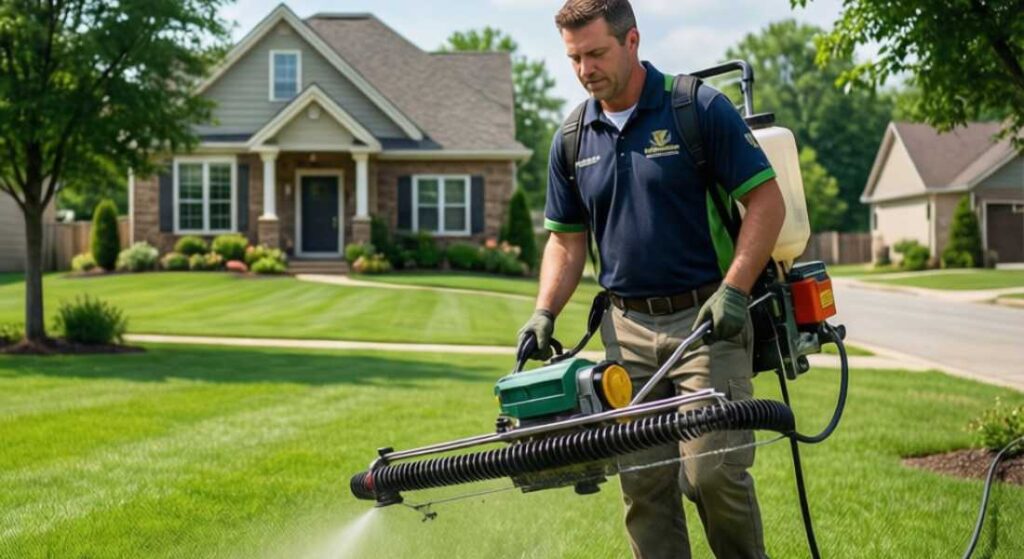
Integrated pest management combines multiple strategies for sustainable long-term control. This approach emphasizes prevention, monitoring, and using the least toxic effective methods first. Professional pest control services often employ IPM principles for residential and commercial properties.
When to Call Professional Pest Control Services
Some insect situations exceed DIY capabilities and require professional expertise. Recognizing these circumstances prevents wasted time and money on ineffective treatments.
Widespread infestations throughout multiple rooms or areas need professional attention. Experts possess commercial-grade products, specialized equipment, and training that homeowners cannot easily replicate. They also identify hidden breeding sites and entry points that casual observers might miss.
Stinging insects like wasps, hornets, and bees become dangerous when nests grow large. Professional removal ensures safety while preserving beneficial bee populations when possible. Never attempt removing large nests without proper protective equipment and experience.
Structural pests including termites and carpenter ants require professional assessment and treatment. These insects cause expensive damage that worsens rapidly without intervention. Early professional inspection protects your property investment.
Recurring problems despite repeated DIY efforts indicate underlying issues that need expert diagnosis. Professionals identify why treatments fail and develop comprehensive strategies addressing root causes rather than just symptoms.
Understanding Beneficial Insects in Your Environment
Not all insects deserve elimination. Many species provide valuable ecosystem services and should be protected and encouraged.
Pollinators including bees, butterflies, and certain beetles enable plant reproduction. Without their services, many fruits, vegetables, and flowers would fail to produce seeds. Creating pollinator-friendly gardens supports these essential insects.
Predatory insects control pest populations naturally. Ladybugs consume aphids. Praying mantises catch various garden pests. Ground beetles eat slugs and caterpillars. Recognizing and protecting these allies reduces need for pesticide applications.
Decomposers break down organic matter and recycle nutrients back into soil. Many beetle larvae, flies, and other insects perform this crucial function. They transform dead plants and animals into rich compost that nourishes new growth.
Learning to distinguish beneficial species from pests prevents unnecessary killing of helpful insects. Not every bug in your garden requires elimination. Observing their behavior reveals whether they harm plants or actually protect them.
Seasonal Insect Activity Patterns
Insect activity fluctuates dramatically throughout the year based on temperature, rainfall, and available resources. Understanding these patterns helps anticipate and prevent problems.
Spring brings emergence of overwintering insects and rapid reproduction. Ants establish new colonies. Termites swarm seeking new territories. Mosquitoes begin breeding as temperatures rise. This season requires vigilance as populations rebuild after winter dormancy.
Summer represents peak insect activity with maximum populations and diversity. Warm temperatures accelerate reproduction rates and extend active periods. Gardens buzz with pollinators while homes face increased invasion pressure from insects seeking food and water.
Fall triggers preparation behaviors as insects sense approaching cold weather. Some species seek indoor shelter for overwintering. Others lay eggs that will hatch the following spring. Sealing entry points becomes critical during autumn months.
Winter dramatically reduces insect activity in temperate regions. Many species enter dormancy or die after laying eggs. However, indoor heating creates favorable conditions for cockroaches, ants, and other species to remain active year-round inside structures.
Insect Identification Resources and Tools
Modern technology and traditional resources combine to help identify unknown insects accurately. Multiple tools suit different situations and expertise levels.
Field guides provide detailed illustrations and descriptions of common species in specific regions. These books organized by insect type help narrow possibilities when examining collected specimens. Many guides include information about habitats, behaviors, and similar species.
Mobile apps offer instant identification through photo recognition technology. Users snap pictures of insects and receive potential matches within seconds. While convenient, these apps sometimes produce incorrect results requiring verification through other sources.
Online databases maintained by universities and entomological societies provide comprehensive information. These resources include high-quality photographs, distribution maps, and detailed life history information. Websites like BugGuide.net allow users to submit photos for expert identification.
Local extension offices employ experts who assist with insect identification and management advice. These services typically operate free or low-cost and provide region-specific recommendations. Building relationships with extension agents proves valuable for ongoing pest management questions.
FAQs
What are the main types of insects people encounter daily?
Type of insects commonly encountered include ants, flies, mosquitoes, beetles, butterflies, and moths. In homes, cockroaches, spiders (though technically arachnids), and occasional invaders like stink bugs create the most concern. Gardens host beneficial pollinators alongside plant-feeding caterpillars and aphids.
How can I tell the difference between insects and other bugs?
True insects possess three body segments, six legs, and typically have antennae. Spiders have eight legs and two body segments. Centipedes and millipedes have many leg pairs. This simple leg count provides quick differentiation in most cases.
Are all cockroach species dangerous to human health?
While thousands of cockroach species exist worldwide, only a handful commonly infest human dwellings. These species carry bacteria, trigger allergies, and contaminate food surfaces. Most outdoor cockroach species avoid human contact and pose minimal health risks when left in natural habitats.
What should I do immediately after discovering bed bugs?
Avoid panicking and spreading the infestation to other areas. Wash all bedding in hot water immediately. Vacuum thoroughly and seal the vacuum bag before disposal. Contact a pest control professional for inspection and treatment planning. Bed bug treatment for humans includes washing affected items and applying soothing ointments to bites.
Can I identify insects by their names alone?
Insect names provide clues but rarely offer complete identification. Common names vary by region and sometimes apply to multiple species. Scientific names using Latin binomial nomenclature provide precise identification. Combining name information with physical characteristics and behavior patterns yields most accurate results.
How many insects actually exist in the world?
Scientists have formally described approximately 1 million insect species to date. However, estimates suggest between 5 and 10 million total species exist globally. Many undiscovered insects inhabit tropical rainforests and other remote ecosystems. New species receive descriptions regularly as exploration and research continue.
What makes grasshoppers different from crickets?
Grasshoppers typically have shorter antennae than their body length and are active during daytime. Crickets possess long antennae exceeding their body length and become active at night. Both belong to the order Orthoptera but occupy different families with distinct characteristics and behaviors.
Why do caterpillars look so different from adult butterflies?
Caterpillars and adult butterflies represent different life stages with completely different purposes. Caterpillars focus entirely on eating and growing. Adults concentrate on reproduction and dispersal. This complete metamorphosis allows each stage to specialize without competing for resources.
Conclusion
Understanding type of insects enriches our appreciation for the natural world while enabling effective management of species that threaten health and property.
From the diverse types of caterpillars transforming in gardens to unwelcome cockroaches invading kitchens, each insect plays distinct roles in ecosystems.
Recognition and proper identification form the foundation of successful insect management. Whether dealing with bed bug infestations requiring immediate treatment or encouraging beneficial pollinators, knowledge empowers better decisions.
Remember that most effective bed bug treatment combines multiple approaches, and prevention always proves easier than elimination.
By implementing the strategies outlined in this guide, you can maintain comfortable living spaces while respecting the ecological importance of insects. Stay observant, act promptly when problems arise, and seek professional assistance for situations beyond DIY capabilities.
Your home and family deserve protection from harmful species while supporting beneficial insects that make our world more beautiful and productive.