

Introduction
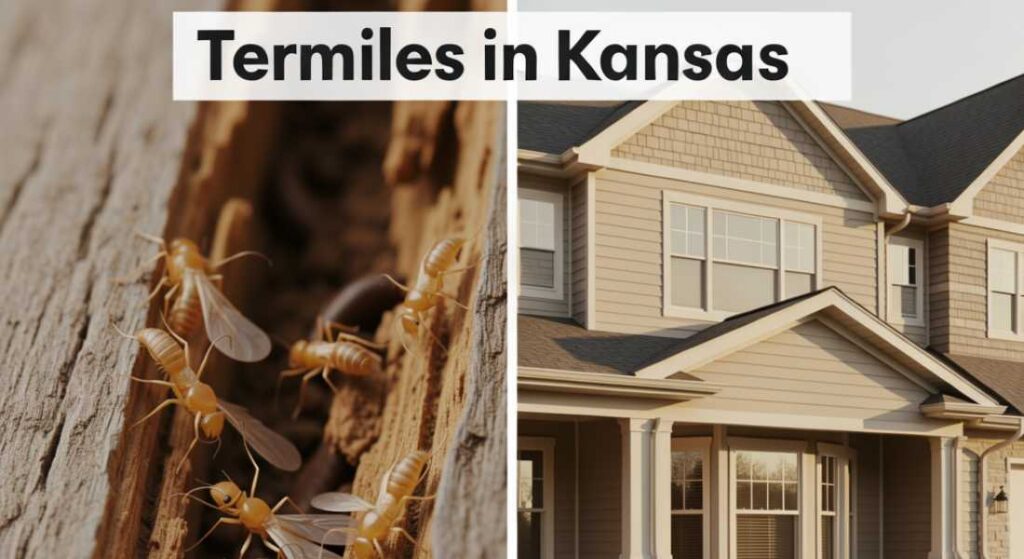
Termites in Kansas are a significant threat to homeowners across the state, causing millions of dollars in property damage annually. These wood-destroying insects thrive in Kansas’s climate and can silently compromise the structural integrity of homes before visible signs appear.
Understanding how to identify termite activity, recognize the species common to the region, and implement effective prevention strategies is essential for protecting your investment. This comprehensive guide covers everything Kansas residents need to know about termite identification, damage assessment, treatment options, and long-term protection methods.
Whether you suspect an active infestation or want to safeguard your property, this article provides practical solutions backed by pest management expertise.
Understanding Termite Species Common to Kansas
Eastern Subterranean Termites
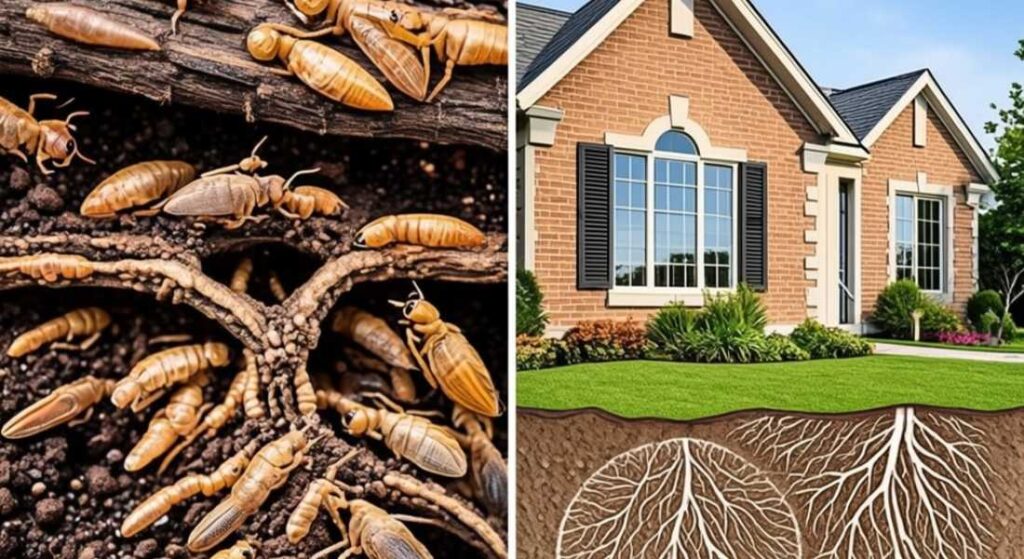
The eastern subterranean termite is the most destructive species found throughout Kansas. These insects live in underground colonies that can contain hundreds of thousands of workers. They build mud tubes to travel between their nest and food sources while maintaining the moisture levels necessary for survival.
Subterranean termites require contact with soil and prefer damp wood. They enter homes through cracks in foundations, utility penetrations, and wood that touches the ground. Once inside, they feed on structural lumber, flooring, and other cellulose materials.
Recognizing Termite Castes
Termite colonies consist of three distinct castes. Workers are small, cream-colored insects that cause the actual damage. Soldiers have enlarged heads and defend the colony. Reproductive termites develop wings and swarm during spring to establish new colonies.
Winged termites are often confused with flying ants. However, termites have straight antennae, uniform waist width, and equal-length wings. Understanding these differences helps with accurate identification.
How Termites Differ from Carpenter Ants
Physical Differences Between Species
Many homeowners mistake carpenter ants for termites or vice versa. Carpenter ants are large black ants that excavate wood to create nests rather than consuming it. These big black ants have a pinched waist, elbowed antennae, and unequal wing lengths when reproductive.
Big ants in house settings often indicate carpenter ant activity. Carpenter ant size typically ranges from one-quarter to one-half inch. They prefer moist or decaying wood and leave behind sawdust-like frass.
Winged Ants vs Termites
The confusion between flying ants vs termites increases during swarming season. When comparing a winged ant to termites, look at body shape and wing structure. Ants have three distinct body segments while termites appear more uniform.
Ant with wings will have bent antennae and longer front wings. Termites possess straight antennae and four wings of identical length. Proper identification determines the appropriate treatment approach.
Recognizing Signs of Termite Activity
Subterranean Termites Evidence
Detecting subterranean termite infestation early prevents extensive damage. Look for mud tubes on foundation walls, in crawl spaces, or along wooden structures. These pencil-width tunnels protect termites from light and maintain humidity as they travel.
Discarded wings near windows or doors indicate recent swarmer activity. Hollow-sounding wood when tapped suggests internal consumption. Small holes in drywall or peeling paint resembling water damage may also signal termite presence.
What Does Termite Damage Look Like
Termite wood damage appears differently than carpenter ant excavation. Termites eat along the wood grain, creating honeycomb patterns inside while leaving a thin exterior shell. What does termites damage look like on visible surfaces includes blistered or darkened wood and maze-like patterns when exposed.
Termite damage on wood often goes unnoticed until structural problems occur. Sagging floors, stuck windows, or buckling ceilings indicate advanced termite damages requiring immediate professional assessment.
Common Areas Where Termites Enter Homes
Foundation and Structural Vulnerabilities
Termites in Kansas typically enter buildings where wood contacts soil. Porch steps, deck supports, door frames, and basement window sills provide direct access. Cracks in concrete foundations wider than one-sixteenth inch allow underground termites to bypass barriers.
Poor drainage around foundations creates moisture conditions attractive to subterranean termites. Mulch placed against siding or wooden trim gives termites both food and concealment near entry points.
Interior Risk Zones
Once inside, termite house damage concentrates in areas with higher moisture. Bathrooms, kitchens, laundry rooms, and basements with plumbing leaks become prime feeding zones. Termite damage in house structures often begins in these vulnerable locations before spreading.
Attached garages with wooden framing in contact with concrete slabs present elevated risk. Storage of firewood or cardboard boxes against interior walls provides additional food sources that attract foraging workers.
Professional Termite Inspection Methods
What Inspectors Examine
Licensed pest control termites specialists conduct thorough examinations of both interior and exterior areas. They probe wooden components with specialized tools to detect hidden damage. Moisture meters identify conditions conducive to termite activity.
Inspectors examine crawl spaces, attics, basements, and structural supports. They document mud tubes, live insects, frass, and damaged wood. Detailed reports outline findings and recommend appropriate treatment strategies.
Advanced Detection Technology
Some termite pest control companies use thermal imaging cameras that detect temperature variations caused by termite activity. Acoustic sensors identify feeding sounds within walls. These technologies improve detection accuracy without invasive exploration.
Regular professional inspections every one to three years help catch infestations before significant termite remediation becomes necessary. Early detection substantially reduces treatment costs and structural repair expenses.
Effective Termite Treatment Options
Liquid Soil Treatments
Subterranean termites treatment often involves applying liquid termiticides to the soil around and beneath structures. These products create a protective barrier that kills termites attempting to enter or prevents access entirely.
Professional applicators trench around foundations and inject treatment beneath slabs. The chemical remains effective for several years when properly applied. This method provides comprehensive termite protection for existing infestations and prevention.
Baiting Systems
Termite control through baiting systems uses strategically placed monitoring stations around properties. When termites feed on bait containing slow-acting insecticides, they carry the active ingredient back to the colony, eventually eliminating it.
Bait systems require ongoing monitoring and maintenance but offer a less invasive alternative to liquid treatments. They work well for termite infestation treatment when combined with other integrated pest management strategies.
Wood Treatments and Fumigation
Direct wood treatment applies borates or other preservatives to lumber, making it toxic to termites. This approach works for localized infestations or preventative protection during construction.
Whole-structure fumigation addresses severe widespread infestations but requires temporary evacuation. This intensive home termite treatment penetrates all wood within the sealed structure, eliminating active colonies.
Preventing Termite Infestations
Moisture Control Strategies
Reducing excess moisture around homes significantly decreases termite risk. Repair leaking faucets, water lines, and roof damage promptly. Ensure gutters and downspouts direct water away from foundations.
Install vapor barriers in crawl spaces and maintain proper ventilation. Grade soil to slope away from structures. Address drainage issues that create standing water or soil saturation near buildings.
Structural Modifications
Eliminate wood-to-soil contact wherever possible. Maintain at least six inches of clearance between soil and wooden siding or structural members. Replace moisture-damaged wood before it attracts termites.
Remove old tree stumps, roots, and buried wood debris from yards. Store firewood at least twenty feet from structures and elevate it off the ground. Keep mulch at least twelve inches from foundations.
Regular Maintenance Practices
Seal cracks in foundations with appropriate caulking or concrete patching products. Install fine mesh screens over vents and utility openings. Inspect basements and crawl spaces seasonally for signs of moisture or insect activity.
Trim vegetation away from structures to improve air circulation and reduce humidity. Monitor wooden decks, fences, and outbuildings for early termite evidence. Document any changes or concerns for professional evaluation.
DIY vs Professional Treatment Approaches
When Homeowners Can Address Issues
Limited spot treatments with retail products may help with very small localized problems caught extremely early. However, most termite situations require professional intervention for effective resolution.
Preventative measures like moisture control and wood-to-soil separation are appropriate DIY projects. Maintaining proper drainage and sealing entry points reduces infestation risk without specialized expertise.
Why Professional Treatment Succeeds
Licensed pest control companies have access to professional-grade products unavailable to consumers. Their technicians receive extensive training in termite biology, behavior, and treatment application techniques.
Professionals accurately identify species, locate colonies, and determine infestation extent. They provide warranties backing their work and offer ongoing monitoring. How to treat termites effectively requires equipment, knowledge, and experience that professionals possess.
Attempting DIY termite underground colony elimination often results in incomplete treatment, allowing infestations to continue causing damage. Professional termites treatment ensures comprehensive protection and long-term results.
Understanding Treatment Costs and Value
Factors Affecting Treatment Pricing
Several variables influence termites control costs. Property size, infestation severity, chosen treatment method, and accessibility all impact pricing. Initial treatments typically cost more than preventative services or monitoring.
Geographic location within Kansas affects rates due to varying competition and demand. Companies offering comprehensive warranties may charge premium prices but provide greater long-term value.
Comparing Long-Term Investment
Untreated termite damage results in exponentially higher repair costs than professional treatment expenses. Structural repairs can reach tens of thousands of dollars when infestations compromise load-bearing members.
Quality termite protection preserves property value and prevents costly emergency repairs. Many mortgage lenders require termite inspections and clearances before approving loans. Documented professional treatment enhances marketability when selling homes.
Seasonal Termite Activity Patterns
Spring Swarming Behavior
Kansas termites become most visible during spring when reproductive swarmers emerge. Warm temperatures and rainfall trigger synchronized flights as winged termites leave mature colonies to establish new ones.
Swarms typically occur on warm days following rain between March and June. Finding discarded wings near windows, doors, or light fixtures indicates nearby colonies. This seasonal activity provides homeowners opportunities for early detection.
Year-Round Colony Activity
While swarmers appear seasonally, worker termites remain active year-round within colonies and infested structures. They continue feeding and causing damage regardless of outdoor temperatures.
Underground colonies extend below the frost line where temperatures stay relatively constant. This continuous activity means termites damage can progress throughout winter when homeowners are less vigilant about pest concerns.
Protecting New Construction from Termites

Pre-Construction Treatment
Applying termiticides to soil before pouring foundations provides initial protection. Many builders incorporate pre-treated wood or physical barriers during construction. These preventative measures reduce future infestation risk.
Building codes in some Kansas jurisdictions require termite prevention treatments or resistant materials in new construction. Discussing these requirements with builders ensures compliance and protection.
Design Considerations
Incorporating termite-resistant design features provides lasting benefits. Using concrete or steel supports instead of wood where possible eliminates food sources. Maintaining proper clearances and drainage during planning prevents conducive conditions.
Installing physical barriers like stainless steel mesh or sand particles prevents termite entry without chemical treatments. These methods suit homeowners preferring non-chemical approaches or with environmental sensitivities.
FAQs
How quickly do termites cause structural damage?
Termite damage progression depends on colony size and wood availability. A mature colony can consume approximately one pound of wood weekly. Significant structural damage typically develops over three to eight years, though favorable conditions accelerate destruction. Regular inspections detect problems before critical damage occurs.
Can termites in Kansas survive winter temperatures?
Yes, termites in Kansas remain active throughout winter within their underground colonies and infested structures. Colonies extend deep enough to avoid freezing temperatures. Heated buildings provide ideal year-round environments for continued feeding and expansion regardless of outdoor weather conditions.
What attracts termites to certain properties?
Moisture, wood-to-soil contact, and accessible cellulose materials attract termites. Poor drainage, leaking plumbing, and improper grading create favorable conditions. Properties with woodpiles, mulch against foundations, or buried wood debris present elevated risk factors that draw foraging workers.
Are termite treatments safe for families and pets?
Professional-grade termiticides undergo rigorous safety testing before approval. When applied according to label instructions by licensed technicians, treatments pose minimal risk. Families typically can remain home during most application processes. Pest control companies provide specific safety guidelines for each treatment type.
How long does professional termite treatment remain effective?
Liquid soil treatments typically provide protection for five to ten years depending on product formulation and environmental factors. Baiting systems require ongoing monitoring and renewal. Treatment longevity depends on proper application, soil conditions, and product quality. Warranties often guarantee effectiveness for specified periods.
Should I buy a home with previous termite damage?
Properties with documented termite history require careful evaluation. Professional inspections should verify complete treatment, assess repair quality, and confirm no active infestation exists. Properly treated homes with structural repairs present acceptable risks when warranties transfer to new owners. Request detailed treatment records and current inspection reports.
Conclusion
Protecting Kansas homes from termite damage requires vigilance, knowledge, and proactive measures. Understanding the signs of subterranean termite infestation, implementing preventative strategies, and seeking professional treatment when necessary preserves structural integrity and property value.
Regular inspections combined with moisture control and structural maintenance significantly reduce infestation risk. When termite activity appears, prompt professional intervention prevents minor problems from becoming major structural concerns.
Kansas homeowners who prioritize termite protection through informed decisions and quality pest control services ensure their properties remain safe, sound, and termite-free for years to come.