
Introduction
Smelly insects are common household pests that release unpleasant odors as a defense mechanism when they feel threatened or are crushed. These bugs can quickly become a nuisance in homes and gardens during warmer months and often seek shelter indoors as temperatures drop.
Understanding what attracts these pests, how to identify them, and the most effective removal methods can help you protect your home from unwanted infestations and the lingering odors they leave behind.
What Are Stink Bugs and Why Do They Smell
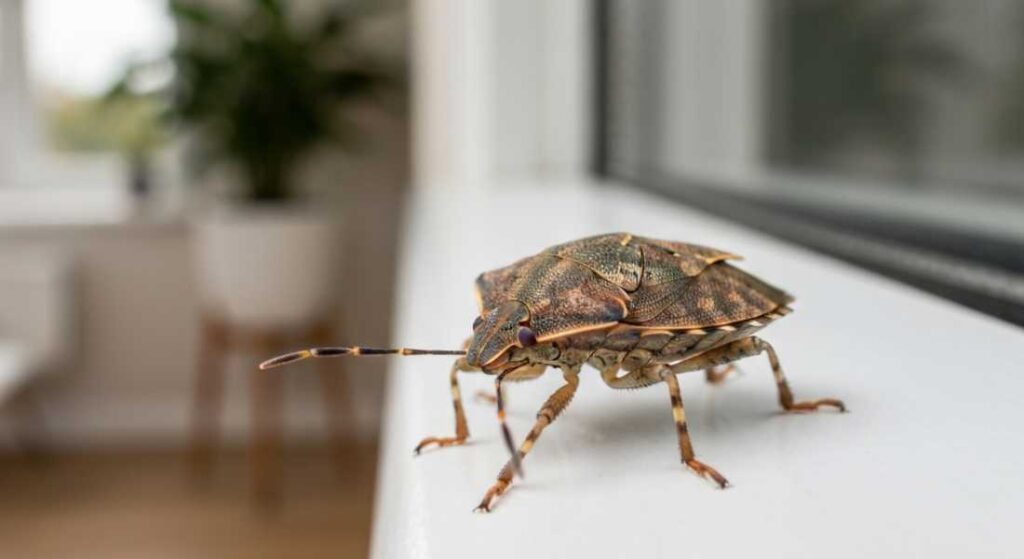
Stink bugs are shield-shaped insects that belong to the Pentatomidae family. These pests measure about three-quarters of an inch long and have a distinctive marbled brown appearance with alternating light and dark bands on their antennae.
The odor these insects produce comes from special glands located on their thorax and abdomen.
When disturbed or crushed, they release a chemical compound that produces a strong, unpleasant smell often compared to cilantro, rotting vegetables, or skunk spray. This defensive mechanism helps protect them from predators in nature.
Understanding the Stink Bug Smell
What does a stink bug smell like exactly? The scent varies slightly depending on the species and individual perception.
Most people describe it as a pungent, herbal odor mixed with a chemical smell. Some compare it to burnt tires or strong cilantro, while others say it resembles dirty socks or ammonia.
The smell can linger on surfaces, fabrics, and skin for hours after contact. This persistent odor makes these pests particularly troublesome when they invade homes in large numbers.
Where Do Stink Bugs Live and Come From
These insects are native to East Asia but have spread to North America, Europe, and other regions over the past few decades. They typically live outdoors in gardens, forests, and agricultural areas during spring and summer months.
In their natural habitat, stink bugs feed on fruits, vegetables, and ornamental plants. They use their piercing mouthparts to extract juices from leaves, stems, and developing fruits. As cold weather approaches, they search for warm places to overwinter.
Stink Bug Nest Locations
Unlike social insects that build traditional nests, stink bugs do not create elaborate colonies. Instead, they gather in protected areas during winter months. Common overwintering sites include wall voids, attics, crawl spaces, and the spaces behind siding.
During warmer months, you might find them clustered on the sunny sides of buildings or hiding under bark, leaf litter, and garden debris outdoors.
What Attracts Stink Bugs to Your House
Several factors can draw these odorous pests into your home. Understanding what attracts stink bugs into your house helps you take preventive measures before an infestation develops.
Primary Attractants
Warmth is the biggest draw for these insects as temperatures drop in fall. They seek shelter in homes, sheds, and other structures to survive winter. Cracks around windows, doors, utility pipes, and foundation gaps provide easy entry points.
Light also plays a role in attraction. Outdoor lighting near entry points can draw flying stink bugs toward your home during evening hours. Additionally, certain plants in your garden may attract these pests, which then discover your home while searching for food sources.
Are Stink Bugs Dangerous or Harmful to Humans
The good news is that these pests pose minimal health risks to people. They are not poisonous and do not carry diseases that affect humans.
Can Stink Bugs Bite Humans
While these insects have piercing mouthparts designed for feeding on plants, they rarely bite people. Their mouthparts are not strong enough to penetrate human skin effectively. In extremely rare cases where a bite occurs, it might cause minor irritation similar to a mosquito bite but nothing serious.
The main concern with these pests is the unpleasant odor they release and potential damage to houseplants or garden crops. Some people may experience allergic reactions to the smell, including respiratory irritation or skin sensitivity after direct contact.
Stink Bug Infestation Signs and Prevention
Recognizing the early signs of an infestation helps you address the problem before it becomes severe. During fall, you might notice these insects gathering on warm, sunny exterior walls. As they move indoors, you may find them crawling on walls, windows, or light fixtures.
Preventing Entry
Seal all cracks and gaps around your home’s exterior using caulk or weatherstripping. Pay special attention to areas where utility pipes enter the building, window frames, door thresholds, and foundation cracks. Install tight-fitting screens on windows and vents to block entry while allowing ventilation.
Remove outdoor debris piles, fallen leaves, and overgrown vegetation near your foundation. These areas provide hiding spots that attract the insects close to your home.
How to Get Rid of Stink Bugs in the House
When you discover these pests indoors, quick action prevents them from settling in for winter. Several effective methods can help you eliminate them without creating a lasting odor problem.
Physical Removal Methods
The safest way to remove individual insects is using a vacuum cleaner. This method prevents them from releasing their defensive odor. Use a vacuum with a disposable bag, then immediately remove and seal the bag in an outdoor trash container.
Alternatively, you can carefully pick them up using tissue paper and flush them down the toilet. Avoid crushing them, as this releases the characteristic smell that can linger for hours.
What Kills Stink Bugs Instantly
For severe infestations, insecticidal soap or pyrethrin-based sprays provide quick knockdown. Apply these products directly to the insects for immediate results. However, chemical treatments should be used carefully and according to label directions.
Creating a simple soap and water solution also works well. Mix a few tablespoons of dish soap in a spray bottle filled with water. Spray directly on the insects to immobilize them quickly.
Natural Stink Bug Repellents and Deterrents
Several natural substances can help repel these pests without harsh chemicals. Essential oils like peppermint, lavender, and eucalyptus create scents that stink bugs find unpleasant.
Homemade Repellent Solutions
Mix 10 drops of peppermint essential oil with two cups of water in a spray bottle. Apply this solution around windows, doors, and other entry points. Reapply every few days for continued effectiveness.
Garlic spray also works as a natural deterrent. Blend several garlic cloves with water, strain the mixture, and spray it around areas where these insects gather. The strong odor masks attractive scents and encourages the pests to move elsewhere.
Diatomaceous earth sprinkled around entry points creates a physical barrier that damages the insects’ protective coating when they crawl across it.
Professional Treatment vs DIY Methods
For minor problems, DIY methods usually provide adequate control. However, severe infestations affecting multiple rooms or recurring each year may require professional pest control services.
Professional exterminators can apply residual insecticides to exterior walls and entry points before the insects begin seeking shelter in fall. This preventive treatment creates a barrier that kills pests before they enter your home.
Most effective bed bug treatment approaches differ from stink bug control methods, but both require thorough inspection and targeted application. While stink bugs primarily invade seasonally, bed bugs require more intensive intervention.
Understanding Related Home Remedies and Treatments
When dealing with various household pests, many people wonder about treatment options. For instance, bed bug treatment at home often involves heat treatment, mattress encasements, and thorough vacuuming.
What kills bed bugs instantly includes high heat above 120 degrees Fahrenheit and certain contact insecticides. However, these methods work differently than stink bug control because bed bugs hide in mattresses and furniture while stink bugs gather in open areas.
Bed bug treatment ointment helps soothe bite reactions but is unnecessary for stink bug encounters since these insects rarely bite. Similarly, bed bug treatment for humans focuses on addressing bites and preventing exposure, while stink bug management centers on home exclusion and removal.
Understanding what chemical kills bed bugs and their eggs helps differentiate treatment approaches. Bed bugs require products like pyrethroids, neonicotinoids, or desiccants applied to hiding spots.
The bed bug treatment cost varies widely depending on infestation severity and treatment method chosen.
For those seeking alternatives, 15 home remedies for bed bugs include steam cleaning, diatomaceous earth, essential oils, washing bedding in hot water, vacuuming, mattress covers, baking soda, tea tree oil, lavender oil, silica gel, rubbing alcohol, cayenne pepper, double-sided tape, decluttering, and professional-grade steamers. These approaches require patience and consistency for success.
FAQs
What attracts stink bugs into your house?
Warmth is the primary factor that attracts these pests indoors during fall and winter. They seek shelter in homes through cracks, gaps, and openings around windows, doors, and foundations. Outdoor lighting and certain garden plants near your home can also draw them closer before they discover entry points.
Do stink bugs bite people?
These insects rarely bite humans. Their mouthparts are designed for piercing plant tissue and are not effective at penetrating human skin. While extremely rare bites might occur, they cause only minor irritation and pose no serious health risks.
How can I get rid of stink bugs naturally?
Vacuuming provides the safest removal method for individual insects without triggering odor release. Natural repellents like peppermint oil, garlic spray, and diatomaceous earth help deter new arrivals. Sealing entry points prevents future infestations more effectively than any removal method.
What does the smell from these insects remind people of?
Most people describe the odor as similar to cilantro, burnt rubber, or rotting vegetables. The smell comes from chemical compounds released through special glands when the insect feels threatened. This scent can persist on surfaces and fabrics for several hours.
Are stink bugs dangerous to have in your home?
These pests are not dangerous to humans or pets. They do not carry diseases, are not toxic, and rarely bite. The main problems they cause include unpleasant odors when disturbed and potential damage to houseplants. Some individuals may experience minor allergic reactions to the smell.
Where do stink bugs hide during winter?
During cold months, smelly insects seek protected spaces like wall voids, attics, crawl spaces, and gaps behind siding. They enter homes in fall and remain dormant until spring warmth triggers activity. Large numbers often gather in the same overwintering locations year after year.
Can I prevent stink bugs from returning next year?
Prevention focuses on sealing all exterior cracks and gaps before fall arrives. Apply caulk around windows, doors, and utility entry points. Install screens on vents and repair any damaged window screens. Remove vegetation and debris near your foundation to eliminate nearby hiding spots.
Conclusion
Managing smelly insects requires understanding their behavior, preferred habitats, and seasonal patterns. These shield-shaped pests seek warmth in fall and can quickly become a nuisance if they find easy access to your home.
While they pose no serious health dangers, their defensive odor and tendency to gather in large numbers make prevention essential. Sealing entry points before fall, using natural repellents, and removing individual insects carefully provides effective control without harsh chemicals.
Taking action now protects your home from future invasions and helps you maintain a pest-free living environment throughout the year. Remember that consistency in prevention efforts yields the best long-term results against these persistent seasonal invaders.