

Introduction
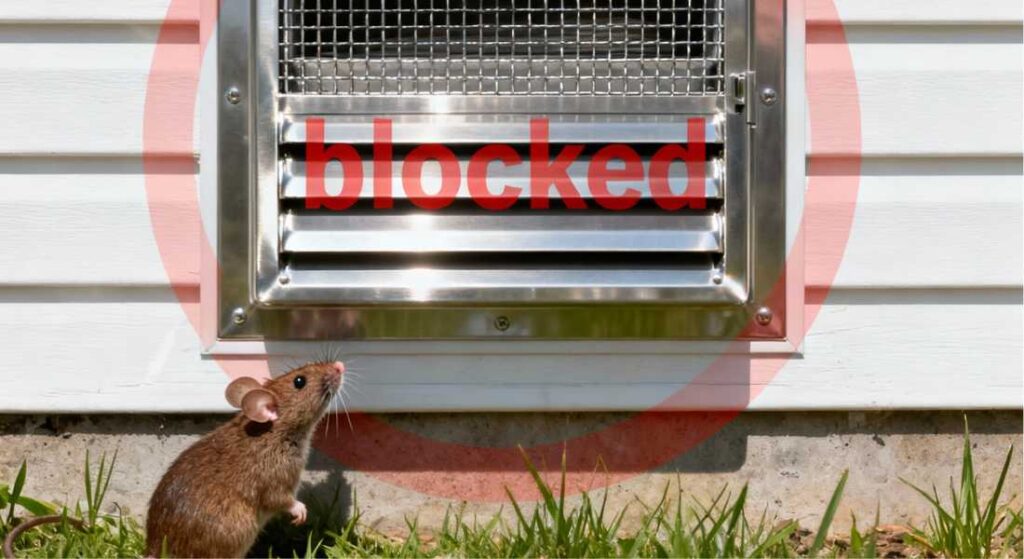
Mouse proof clothes dryer vent systems are essential barriers that prevent rodents from entering your home through one of the most vulnerable access points. Many homeowners discover too late that their dryer vent serves as an open invitation for mice and other pests seeking warmth and shelter.
This comprehensive guide will walk you through everything you need to know about protecting your dryer vent from unwanted visitors. You’ll learn about the best materials, effective installation methods and practical solutions that actually work.
Understanding Why Mice Target Dryer Vents
Dryer vents create the perfect entry point for rodents. The warm air flowing through these openings attracts mice during cold weather. Standard vent covers often have gaps or flaps that mice can easily push through or chew around.
Mice can squeeze through openings as small as a dime. Most traditional dryer vent covers were designed for airflow and lint prevention rather than pest control. This design flaw leaves your home vulnerable to infestations that can lead to health risks and property damage.
Best Materials Mice Cannot Chew Through
Understanding what material can mice not chew through is crucial for effective protection. Mice have incredibly strong teeth that can gnaw through many common building materials including wood, plastic and thin aluminum.
Metal Mesh and Hardware Cloth
Stainless steel mesh with quarter-inch openings provides excellent protection. This material allows proper airflow while creating a physical barrier too strong for rodent teeth. Hardware cloth made from galvanized steel offers similar benefits and resists rust in outdoor conditions.
Solid Metal Covers
Heavy-gauge aluminum and steel covers offer superior protection. These rodent proof dryer vent options feature solid construction that mice simply cannot penetrate. Look for covers with no gaps larger than a quarter inch.
How Do I Keep Mice Out of My Dryer Vent
Keeping mice out requires a multi-layered approach combining proper equipment and regular maintenance. Start by inspecting your current vent cover for any damage or gaps that could allow entry.
Installing a Dedicated Rodent Guard
A mouse proof dryer vent cover specifically designed for pest prevention makes the biggest difference. These covers feature tight-fitting doors or mesh screens that close completely when the dryer is not running. The spring-loaded mechanisms ensure no gaps remain open.
Regular Inspection Schedule
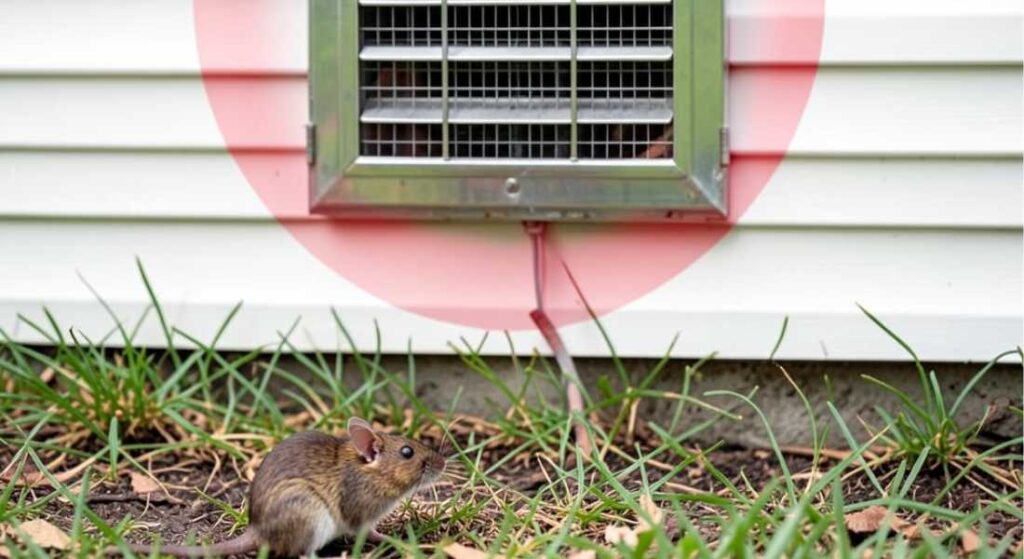
Check your vent cover monthly for signs of tampering or damage. Look for chew marks, droppings or nesting materials near the opening. Clean lint buildup that might prevent the cover from closing properly.
Best Mouse Proof Clothes Dryer Vent Options
Choosing the right protection depends on your specific situation and climate conditions. Several proven designs offer reliable defense against unwanted guests.
Louvered Metal Covers
The best rodent proof dryer vent cover often features heavy-duty louvers that snap shut when air stops flowing. These covers use gravity and spring tension to maintain a tight seal. Models with smaller louver gaps provide better protection.
Mesh Screen Systems
Fine mesh screens installed behind traditional covers add an extra layer of security. This dual-protection approach allows lint-free operation while blocking even the smallest intruders. Removable screens make cleaning simple and convenient.
Sealed Box Designs
Enclosed vent boxes with screened openings on multiple sides prevent direct access to the vent pipe. Mice cannot navigate the angled pathways these designs create while hot air escapes freely.
Mouse Proof Clothes Dryer Vent DIY Solutions
Creating your own protection can be effective and budget-friendly when done correctly. Simple modifications to existing vents often provide adequate defense.
Adding Hardware Cloth
Cut galvanized hardware cloth to fit inside your existing vent cover. Secure it with rust-resistant screws or metal clips. Ensure the mesh does not restrict airflow or trap excessive lint.
Building a Protective Cage
Construct a wire cage around the exterior vent opening using quarter-inch hardware cloth. Leave enough space for the vent flap to operate freely. This cage prevents mice from reaching the actual vent cover.
Sealing Gaps with Steel Wool
Pack any gaps around the vent pipe where it exits your home with copper or stainless steel wool. Mice cannot chew through this material. Seal over the steel wool with expanding foam or caulk rated for outdoor use.
How to Stop Mice from Coming Through Vents
Prevention extends beyond just the dryer vent opening. A comprehensive strategy addresses all potential entry points and eliminates attractions.
Exterior Perimeter Defense
Trim vegetation away from vent openings. Remove debris and stored items near exterior walls that provide hiding spots. Install gravel or rock borders that mice dislike crossing.
Interior Vent Inspection
Check where the dryer vent connects inside your home. Seal any gaps around the vent pipe with metal flashing and appropriate sealants. Ensure the connection points are tight and secure.
Installation Best Practices
Proper installation ensures maximum protection and maintains safe dryer operation. Following manufacturer guidelines prevents both pest problems and fire hazards.
Correct Mounting Height
Install vent covers at the recommended height with a slight downward angle. This positioning prevents water accumulation and ensures proper flap closure. Secure all mounting screws firmly into solid material.
Maintaining Proper Airflow
Never completely block airflow in pursuit of pest protection. Restricted venting can cause dryer overheating, increased energy costs and potential fire risks. Balance security with necessary ventilation.
How to Snake Proof Dryer Vent Areas
While less common than mice, snakes occasionally enter homes through dryer vents in certain regions. The same principles that work for rodents generally protect against snakes as well.
Small snakes can fit through surprisingly tight spaces. Use mesh with openings no larger than one-quarter inch. Ensure the mesh extends completely around the vent opening with no gaps at edges or corners.
Maintenance and Long-Term Protection
Ongoing care keeps your defenses strong and your dryer operating efficiently. Develop habits that prevent problems before they start.
Regular Cleaning Schedule
Clean your dryer vent system at least twice per year. Remove lint buildup from the cover, duct and dryer interior. This maintenance prevents fire hazards while ensuring pest barriers function correctly.
Seasonal Inspections
Check protective measures before winter when mice seek indoor shelter most actively. Replace damaged covers immediately. Verify that seals and screens remain intact and properly positioned.
Signs of Mouse Activity
Early detection allows quick response before a minor problem becomes a major infestation. Learn to recognize warning signs around your dryer vent.
Watch for droppings near the vent opening or on the dryer itself. Listen for scratching sounds in walls near the vent location. Notice any unusual odors suggesting nesting materials or dead rodents in ductwork.
Professional Solutions vs DIY Approaches
Deciding between professional installation and doing it yourself depends on several factors including your skill level and the complexity of your venting system.
Professional pest control and HVAC specialists can assess your specific situation and recommend the best rodent proof dryer vent solutions. They ensure proper installation that maintains manufacturer warranties and local building codes.
DIY approaches work well for straightforward situations with accessible vent locations. Basic installations require only common tools and a few hours of work.
FAQs
How do I keep mice out of my dryer vent?
Install a specialized cover designed for pest prevention with mesh openings no larger than one-quarter inch. Inspect and clean the vent regularly to ensure the protective cover closes completely when the dryer is not running. Seal any gaps around the vent pipe where it exits your home.
What is the best mouse proof dryer vent cover?
Heavy-duty metal covers with spring-loaded louvers or fine stainless steel mesh screens provide the best protection. Look for models specifically rated for rodent prevention with solid construction and no plastic components that mice can chew through.
How to stop mice from coming through vents?
Combine a quality protective cover with regular maintenance and exterior pest control measures. Remove attractions like food sources and nesting materials near your home. Seal all gaps around vent penetrations with appropriate materials.
What material can mice not chew through?
Mice cannot chew through metals like stainless steel, galvanized steel and heavy-gauge aluminum. They also cannot penetrate copper mesh or wire cloth. Avoid plastic, wood, rubber and thin aluminum that their teeth can easily damage.
Can I make my own rodent proof vent cover?
Yes, you can create effective protection using hardware cloth and basic tools. Cut quarter-inch mesh to fit your vent and secure it properly. Ensure your DIY solution does not restrict airflow or violate local building codes.
How often should I inspect my dryer vent for mice?
Inspect your vent cover monthly, especially during fall and winter when mice seek shelter most actively. Perform thorough cleaning and detailed inspections twice per year to maintain both pest protection and fire safety.
Conclusion
Protecting your home from rodent intrusion through dryer vents requires the right equipment and consistent maintenance. Quality covers designed specifically for pest prevention provide reliable long-term solutions.
Start by assessing your current setup and identifying vulnerabilities. Choose materials that mice cannot penetrate and install them correctly for maximum effectiveness. Regular inspections ensure your defenses remain strong year-round.
Taking action now prevents costly damage and health concerns later. Your home deserves protection that works, giving you peace of mind and a pest-free living environment.