
Introduction
How to kill cockroach nymphs naturally is a critical concern for homeowners dealing with early-stage roach infestations. Cockroach nymphs are young roaches that have recently hatched from eggs and can quickly multiply into a major pest problem if left untreated.
These small brownish insects are often found in kitchens, bathrooms and dark corners where they search for food and moisture.
Understanding how to eliminate these pests using natural methods protects your family from harsh chemical exposure while effectively controlling the infestation.
This comprehensive guide will walk you through proven natural remedies, preventive strategies and long-term solutions to keep your home roach-free using ingredients you likely already have at home.
Understanding Cockroach Nymphs and Why They’re Dangerous
Cockroach nymphs are baby roaches in their developmental stage before reaching adulthood. They look similar to adult cockroaches but are much smaller, lighter in color and lack fully developed wings.
These young pests go through multiple molting stages as they grow, shedding their exoskeletons several times before maturity.
The presence of nymphs indicates an active breeding population in your home. A single female cockroach can produce hundreds of offspring during her lifetime, which means spotting even a few nymphs suggests a larger hidden problem.
Nymphs contaminate food surfaces, spread bacteria and trigger allergies just like adult roaches.
Young roaches are particularly vulnerable to natural treatments because their exoskeletons are softer and more permeable than adults. This makes them excellent targets for natural elimination methods that work by dehydration or disruption of their protective outer layer.
Why Choose Natural Methods Over Chemical Pesticides
Natural remedies offer several advantages when dealing with cockroach infestations in your home. Chemical pesticides contain toxic ingredients that can harm children, pets and family members with respiratory sensitivities.
The strong fumes from conventional roach sprays often require evacuating your home and can leave harmful residues on surfaces.
Natural methods provide safer alternatives that eliminate roaches without introducing dangerous chemicals into your living space.
These solutions use common household ingredients that are non-toxic to humans and pets while remaining highly effective against cockroach nymphs. Many natural remedies also cost significantly less than commercial pest control products.
Another benefit of natural approaches is that they allow you to maintain ongoing prevention without worrying about chemical buildup in your home. You can apply these treatments regularly in kitchens and food preparation areas without contamination concerns.
Identifying Cockroach Nymphs in Your Home
Recognizing cockroach nymphs early helps you address infestations before they spiral out of control. Baby roaches measure between 3 to 10 millimeters depending on their developmental stage.
They appear darker brown or tan compared to the eggs they hatched from but lighter than fully mature adults.
Common species like German cockroach nymphs have distinctive parallel stripes running down their backs. Smoky brown cockroach nymphs start with a white band across their backs that fades as they mature.
American cockroach nymphs are reddish-brown and can grow quite large before reaching adulthood.
These young pests prefer hiding in warm, humid areas close to food and water sources. Check behind appliances, inside kitchen cabinets, under sinks, in bathroom corners and around water heater areas.
Nymphs are most active at night, so turning on lights suddenly may reveal them scattering for cover.
How to Kill Cockroach Nymphs Naturally Using Baking Soda
Baking soda is one of the most effective natural cockroach killers available in any kitchen. This common ingredient works by creating gas inside the roach’s digestive system when mixed with acids naturally present in their bodies.
Since cockroaches cannot expel gas like other creatures, the internal pressure causes fatal damage to their systems.
Create a simple baking soda bait by mixing equal parts baking soda and sugar. The sugar attracts the nymphs while the baking soda delivers the lethal component.
Place small amounts of this mixture in shallow bottle caps or small containers near areas where you’ve spotted roach activity.
Position these bait stations under appliances, inside cabinets, behind the refrigerator and near garbage areas. The nymphs will consume the mixture and carry particles back to their hiding spots.
This method not only kills the nymphs that eat it directly but can also affect others in the colony. Replace the bait mixture every few days and maintain consistent placement for best results.
Diatomaceous Earth for Long-Term Nymph Control
Food-grade diatomaceous earth provides an excellent natural barrier against cockroach nymphs. This fine powder consists of fossilized algae with microscopic sharp edges that cut through the waxy protective coating on insect exoskeletons.
When nymphs walk through diatomaceous earth, it absorbs the oils and fats from their outer layer, causing death by dehydration.
Apply a thin layer of diatomaceous earth in areas where nymphs travel. Focus on cracks along baseboards, behind appliances, inside cabinet corners and under sinks. Use a small paintbrush or powder duster to spread it into hard-to-reach spaces where roaches hide during daylight hours.
This natural substance remains effective as long as it stays dry. Avoid applying it in areas that get wet frequently, or reapply after cleaning.
The powder is safe around children and pets, though you should avoid breathing in large amounts. Wear a dust mask during application in enclosed spaces.
Essential Oils That Repel and Eliminate Baby Roaches
Certain essential oils contain compounds that cockroach nymphs find extremely unpleasant and will actively avoid.
Peppermint oil ranks among the most effective natural roach repellents due to its strong menthol content. Other powerful options include eucalyptus, tea tree, lavender and cypress oils.
Create a natural roach spray by mixing 10 to 15 drops of essential oil with one cup of water and a small squirt of dish soap.
The soap helps the oil mix with water and stick to surfaces. Pour this mixture into a spray bottle and apply it to areas where nymphs appear, including countertops, cabinet interiors and floor corners.
Refresh this spray treatment every two to three days for maximum effectiveness. The strong scent creates an invisible barrier that discourages nymphs from entering treated areas.
You can also soak cotton balls in undiluted essential oils and place them inside cabinets, closets and other enclosed spaces where you cannot spray directly.
Using Vinegar Solutions to Clean and Deter Roaches
White vinegar serves as both a cleaning agent and a natural cockroach deterrent. The strong acidic smell disrupts the scent trails that roaches use to navigate and communicate with each other.
Regular vinegar cleaning removes the pheromone markers that guide nymphs to food sources and nesting areas.
Mix equal parts white vinegar and water in a spray bottle for an effective cleaning solution. Wipe down kitchen counters, cabinet shelves, appliance surfaces and floor areas with this mixture daily.
Pay special attention to areas around the stove, refrigerator and sink where food particles and moisture accumulate.
For overnight treatment, spray vinegar solution along baseboards, door frames and window sills before bed. The strong odor works through the night to repel roaches searching for food.
While vinegar alone may not kill nymphs directly, it makes your environment highly unwelcoming and forces them to relocate or face starvation.
Bay Leaves as a Natural Roach Repellent
Bay leaves contain compounds that cockroaches find offensive but humans barely notice. These common kitchen herbs work as excellent natural repellents when placed strategically around your home.
The scent disrupts roach behavior and encourages them to avoid treated areas entirely.
Place whole bay leaves or crushed leaves inside kitchen drawers, pantry shelves and food storage areas. Tuck them behind small appliances, inside cabinets and near entry points where roaches might enter your home.
The dried leaves maintain their potency for several weeks before needing replacement.
You can also create bay leaf powder by grinding dried leaves in a coffee grinder. Sprinkle this powder along baseboards, in cabinet corners and other areas where nymphs hide.
Combine bay leaf powder with other natural ingredients like baking soda for enhanced effectiveness against young roaches.
Borax Powder for Eliminating Nymph Populations
Borax is a naturally occurring mineral that works as a powerful stomach poison for cockroaches. When nymphs ingest borax, it damages their digestive systems and dehydrates their bodies from the inside.
This method proves particularly effective because roaches cannot develop resistance to borax like they can with chemical pesticides.
Create a borax bait by mixing three parts borax with one part powdered sugar. The sugar acts as an attractant while the borax delivers the killing action.
Spread small amounts of this mixture in areas where you’ve observed nymph activity, keeping it away from areas accessible to children and pets.
Apply borax powder in thin lines along walls, behind appliances and in cracks where nymphs travel. Avoid creating thick piles as roaches will simply walk around them.
A light dusting forces the nymphs to walk through the powder, getting it on their bodies and legs. When they groom themselves, they ingest the borax and face elimination.
Soap and Water Spray for Immediate Results
A simple mixture of dish soap and water provides instant results when you encounter cockroach nymphs.
Soap breaks down the waxy coating on their exoskeletons, leading to suffocation and rapid death. This method works best for spot treatment when you see nymphs crawling in visible areas.
Mix two tablespoons of liquid dish soap with one quart of water in a spray bottle. When you spot nymphs, spray them directly with this solution until they are thoroughly coated.
The soap clogs their breathing pores and they typically die within minutes of application.
Keep this spray bottle handy under your kitchen sink for quick response when you discover roaches. This solution works equally well on adult roaches and can be safely sprayed on most surfaces without causing damage.
Wipe up dead roaches immediately and dispose of them in sealed plastic bags to prevent attracting more pests.
Removing Food Sources to Starve Nymph Populations
Eliminating access to food is crucial when learning how to kill cockroach nymphs naturally. These young pests require regular feeding to support their rapid growth through multiple developmental stages.
By removing their food supply, you can significantly weaken the population and make other natural treatments more effective.
Store all food items in airtight containers made of glass or heavy plastic. Cockroach nymphs can chew through cardboard, paper and thin plastic packaging to reach food inside.
Transfer cereals, grains, pet food and other dry goods into sealed containers immediately after purchase.
Clean up food crumbs and spills immediately after meals and cooking. Sweep and vacuum kitchen floors daily to remove tiny food particles that can sustain nymph populations. Wipe down counters, tables and stovetops every night before bed.
Take out garbage daily and use trash cans with tight-fitting lids to prevent roaches from accessing discarded food.
Sealing Water Sources and Fixing Leaks
Cockroach nymphs need water even more urgently than food. A young roach can survive for weeks without eating but will die within days without access to moisture. Eliminating water sources in your home creates hostile conditions that naturally reduce nymph survival rates.
Fix all leaking pipes under sinks, around toilets and in basement areas. Repair dripping faucets and showerheads immediately when you notice them. Check for condensation on pipes and wrap them with insulation if they collect moisture regularly.
Wipe down sinks, tubs and shower stalls before bedtime to remove standing water. Don’t leave wet dishes in the sink overnight as they provide both water and food residue for hungry nymphs.
Empty pet water bowls before bed or place them in areas where you can monitor roach activity.
Decluttering to Eliminate Hiding Spots
Cockroach nymphs thrive in cluttered environments that offer numerous hiding places. Stacks of newspapers, cardboard boxes, paper bags and stored items create perfect harborage areas where nymphs can hide during daylight hours.
Reducing clutter removes these protective spaces and exposes nymphs to your natural treatment methods.
Clear out unnecessary items from under sinks, inside cabinets and in storage areas. Remove stacked newspapers, magazines and cardboard boxes that provide shelter for roaches.
Store necessary items in sealed plastic containers rather than cardboard boxes that roaches can easily penetrate.
Organize kitchen cabinets so items don’t touch the back walls, creating inspection space between stored goods and cabinet surfaces.
This allows you to spot signs of roach activity early and apply natural treatments in these hidden areas. Regular decluttering also makes routine cleaning much easier and more effective.
Natural Traps for Monitoring and Reducing Nymphs
Homemade traps help you monitor infestation levels and capture nymphs without chemicals. A simple jar trap works effectively by coating the inside rim of a glass jar with petroleum jelly and placing bait at the bottom.
Nymphs climb in to reach the bait but cannot climb out due to the slippery coating.
Create a bottle trap by cutting a plastic soda bottle in half and inverting the top portion into the bottom half to form a funnel.
Place bait inside and position these traps in corners, under sinks and other areas where nymphs congregate. Check traps daily and dispose of captured roaches by dropping them into soapy water.
Sticky traps purchased from stores or homemade versions using double-sided tape on cardboard work well for monitoring purposes.
Place them in suspected travel paths to determine where nymphs are most active. This information helps you focus your natural treatment efforts in the most problematic areas.
Deep Cleaning Kitchen Cabinets and Appliances
Kitchen cabinets harbor cockroach nymphs because they offer darkness, shelter and proximity to food sources.
A thorough cabinet cleaning removes roach eggs, droppings and food particles that sustain nymph populations. This intensive cleaning should be performed at least monthly when dealing with active infestations.
Empty all cabinets completely and vacuum inside thoroughly to remove crumbs and debris.
Wash all interior surfaces with hot soapy water mixed with vinegar or a few drops of dish soap. Pay special attention to corners, hinges and the underside of shelves where nymphs often hide.
Pull out major appliances like refrigerators, stoves and dishwashers to clean behind and underneath them. These areas accumulate significant food debris and provide warm hiding spots for roaches.
Vacuum thoroughly and wipe down all surfaces before pushing appliances back into place. Consider placing bay leaves or diatomaceous earth in these hidden spaces for ongoing protection.
Creating a Preventive Maintenance Schedule
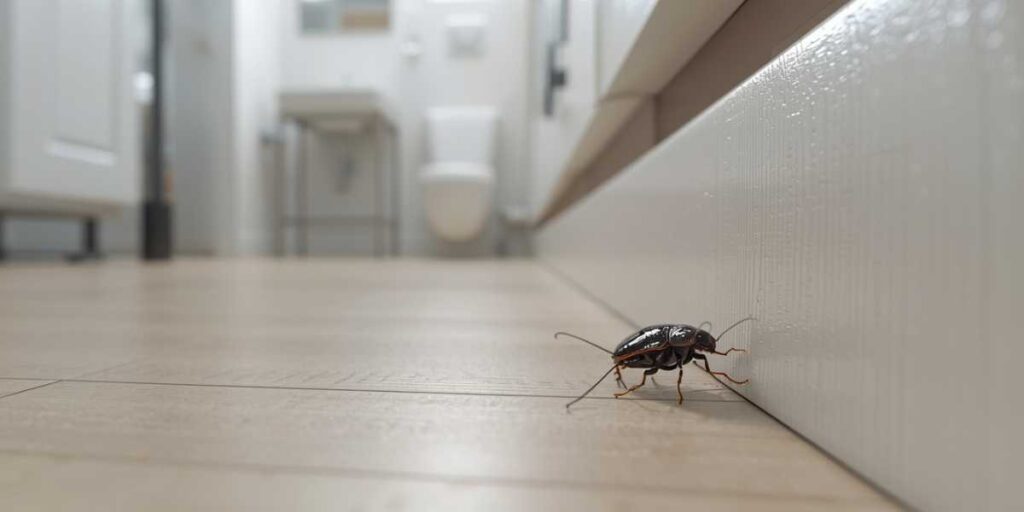
Long-term success in eliminating cockroach nymphs requires consistent preventive efforts rather than one-time treatments. Establish a regular maintenance schedule that combines multiple natural methods for maximum effectiveness against recurring infestations.
Perform daily tasks including wiping down counters, sweeping floors, washing dishes immediately and taking out trash.
Weekly maintenance should include thorough vacuuming, mopping floors with vinegar solution and checking all bait stations and traps. Replace natural treatments like baking soda mixtures and refresh essential oil sprays weekly.
Monthly deep cleaning tasks include moving appliances to clean behind them, emptying and cleaning all cabinets and inspecting for new entry points.
Seasonal maintenance involves checking exterior foundation cracks, sealing gaps around utility lines and clearing yard debris away from your home’s foundation. This consistent approach prevents new nymphs from establishing themselves in your living space.
When to Consider Professional Help
Sometimes natural methods need reinforcement from professional pest control services, especially with severe infestations.
If you continue seeing large numbers of nymphs after several weeks of consistent natural treatment, the infestation may have spread throughout wall voids and other inaccessible areas.
Professional pest control companies offer integrated pest management approaches that combine safe treatments with structural modifications.
They can identify hidden nesting sites, seal entry points and apply targeted treatments in areas you cannot safely reach yourself. Many companies now offer green pest control options using plant-based products and minimal chemical intervention.
Consider professional assessment if you live in an apartment building where roaches can migrate from neighboring units. Individual efforts may prove insufficient when the infestation spans multiple apartments.
Building-wide treatment coordinated by professionals often provides the only effective long-term solution in multi-unit dwellings.
Frequently Asked Questions
How to get rid of nymph roaches?
Getting rid of nymph roaches requires combining elimination methods with prevention strategies. Use natural baits like baking soda mixed with sugar to kill nymphs that consume it.
Apply diatomaceous earth in areas where nymphs travel to dehydrate them. Remove all food and water sources while sealing cracks and crevices where they hide. Consistent cleaning and natural treatments over several weeks will eliminate the nymph population.
What kills small cockroaches naturally?
Several natural ingredients kill small cockroaches effectively. Baking soda mixed with sugar creates a fatal reaction in their digestive systems. Diatomaceous earth cuts through their protective coating causing dehydration.
Borax powder acts as a stomach poison when ingested. Essential oils like peppermint create an environment that small roaches cannot tolerate. A simple dish soap and water spray kills on contact by suffocating them.
How do you get rid of tiny roaches?
To eliminate tiny roaches, focus on removing their survival necessities. Store all food in sealed containers and clean up crumbs immediately. Fix water leaks and dry all wet surfaces before bedtime.
Apply natural treatments like diatomaceous earth along baseboards and in cabinet corners. Use baking soda baits in areas where you spot activity. Maintain consistent cleaning routines and monitor with traps to track population reduction over time.
What is the best homemade cockroach killer?
The best homemade cockroach killer combines baking soda with equal parts sugar. The sugar attracts roaches while the baking soda creates a fatal gas buildup in their digestive systems.
This mixture works on both nymphs and adults when placed in shallow containers near roach activity areas. Another highly effective option is borax mixed with powdered sugar in a 3:1 ratio, which poisons roaches that consume it.
Can vinegar kill cockroach nymphs permanently?
Vinegar does not directly kill cockroach nymphs but serves as an excellent repellent and cleaning agent. The strong acidic smell disrupts their navigation and makes treated areas unwelcoming.
Regular cleaning with vinegar solution removes food residue and pheromone trails that guide nymphs to resources. For permanent elimination, combine vinegar cleaning with other natural killing methods like baking soda baits or diatomaceous earth applications.
How long does it take to get rid of baby roaches naturally?
Eliminating baby roaches naturally typically requires two to four weeks of consistent treatment. The timeline depends on infestation severity, how thoroughly you apply treatments and whether you eliminate all food and water sources.
You should notice reduced activity within the first week, but complete elimination requires patience as different nymphs mature at different rates. Maintain natural treatments for at least one month after seeing the last nymph to ensure the entire population is eliminated.
Conclusion
Learning how to kill cockroach nymphs naturally empowers you to protect your home without exposing your family to harsh chemicals.
The combination of natural elimination methods like baking soda, diatomaceous earth and essential oils proves highly effective when applied consistently. Success requires patience and dedication to both treatment and prevention strategies.
Remember that removing food and water sources while eliminating hiding spots creates the foundation for long-term control.
Regular cleaning combined with natural treatments disrupts the roach life cycle and prevents future infestations. By following these proven natural methods, you can achieve a roach-free home that remains safe and healthy for your entire family.