
Introduction
Hornets nest structures are among nature’s most impressive yet intimidating constructions. These paper-like dwellings house aggressive stinging insects that can pose serious threats to anyone who ventures too close. Understanding what these nests look like, where they appear, and how to handle them safely can protect you and your family from painful stings and potential allergic reactions.
This comprehensive guide covers everything you need to know about hornet nests including identification, removal techniques, prevention strategies, and the fascinating mythology surrounding these powerful insects.
What is the Meaning of Hornet’s Nest?
The term hornet’s nest carries both literal and figurative meanings that have shaped how we perceive these structures. Literally, a hornet’s nest refers to the physical dwelling where hornets live, breed, and store food. These nests serve as protective homes for entire colonies that can contain hundreds or even thousands of insects.
Figuratively, the phrase “stirring up a hornet’s nest” has become a common idiom meaning to provoke a situation that causes widespread anger or controversy. This expression perfectly captures the aggressive response that occurs when these nests are disturbed. The hornets swarm out to defend their home, attacking anyone nearby with painful stings.
The phrase has become so embedded in language that people use it to describe any situation likely to cause explosive reactions. Politicians might avoid certain topics to prevent stirring up a hornet’s nest among voters. This metaphorical usage demonstrates how deeply these insects have influenced human culture and communication.
What Does a Hornets Nest Look Like?
Identifying a nest of hornets correctly is crucial for safety and proper removal. These structures have distinctive features that set them apart from other insect dwellings.
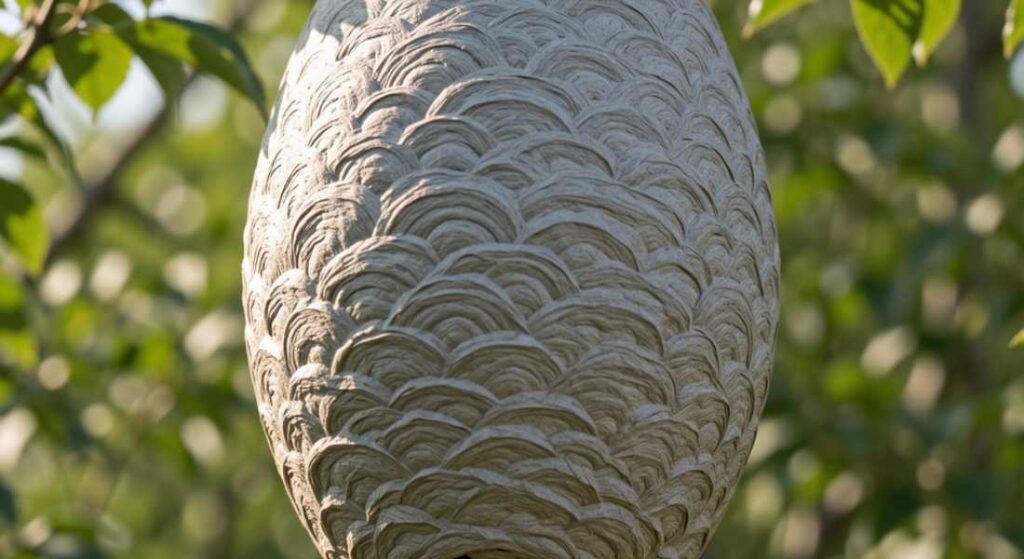
Hornet nests are typically football-shaped or teardrop-shaped structures with a gray, papery appearance. What do hornets nests look like in terms of texture? They resemble weathered paper mache with visible layers and a rough exterior surface. The outer shell features intricate patterns created as hornets add new layers of chewed wood pulp.
Most nests measure between 14 to 24 inches in length when fully developed, though some grow considerably larger. Pictures of hornets nest structures online show the remarkable variation in size depending on colony age and species. The entrance usually consists of a single opening near the bottom, unlike wasp nests that may have multiple entry points.
Color and Texture Details
What does a hornet nest look like in terms of coloring? The exterior ranges from light tan to dark gray depending on the wood sources hornets use. Some nests show striped patterns where different wood types create contrasting bands. The surface feels papery and fragile to touch, though disturbing a nest is extremely dangerous.
Hornet nest pictures reveal the smooth, rounded exterior that protects the internal comb structure. Unlike exposed wasp nests, hornet nests have complete outer shells that shield the internal chambers from weather and predators.
Comparing to Other Insect Nests
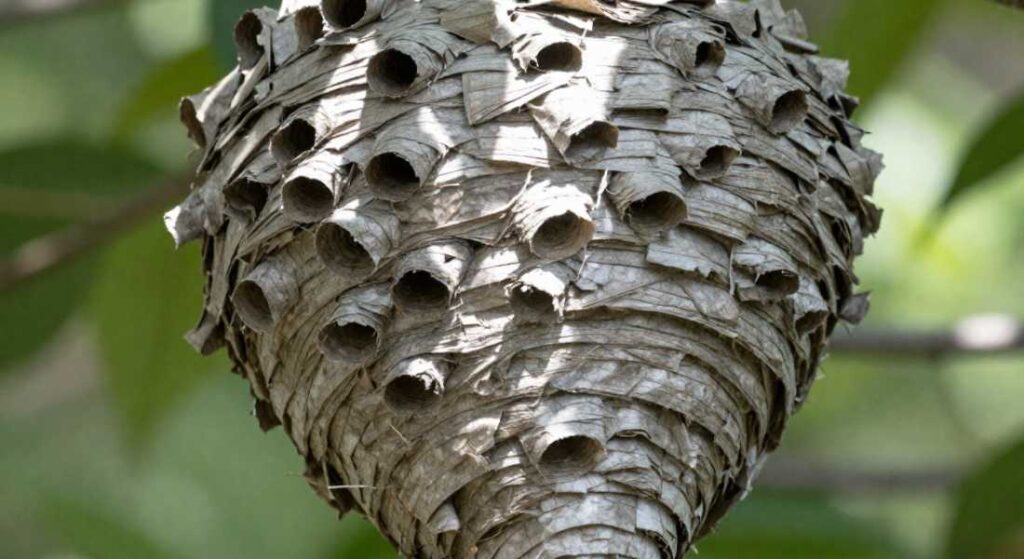
Understanding what does a wasp nest look like helps distinguish between different stinging insects. Wasp nests often have exposed honeycomb structures with visible cells, while hornet nests are fully enclosed. A wasp hive might be open and umbrella-shaped, whereas hornets build enclosed fortresses.
Bee nest structures differ significantly as well. Honey bee nest constructions use wax rather than paper, creating golden-colored combs. Ground nesting bees create underground tunnels rather than aerial structures. Bees nest in ground locations by excavating soil, leaving small mounds with central holes.
What Are Hornets Nests Made Of?
The construction materials and building process of these structures showcase remarkable insect engineering. What are hornets nests made of primarily? They consist of wood fibers mixed with saliva to create a paper-like substance.
Worker hornets scrape wood from dead trees, wooden fences, and even outdoor furniture. They chew these wood fibers, mixing them with saliva to create a pulp. This natural paper becomes the building material for the entire structure. The process resembles how humans make paper from wood pulp, though hornets perfected this technique millions of years before human civilization.
The nest begins as a small structure with a few cells where the queen lays initial eggs. As the colony grows, workers continuously expand the nest by adding new layers. Each layer strengthens the structure and provides additional space for the growing population.
Internal Structure
Inside the outer shell, multiple horizontal combs contain hexagonal cells where larvae develop. These internal chambers remain hidden from view, protected by the outer envelope. The hornets create air spaces between layers that provide insulation, keeping the internal temperature stable.
Hornet nest images that show cross-sections reveal this complex internal architecture. The engineering allows for proper air circulation, temperature control, and protection from predators and weather.
Where Hornets Build Their Nests
Understanding nest locations helps with early detection and prevention. Hornets choose sites that offer protection and easy access to food sources.
Most hornet nests appear in elevated locations such as tree branches, eaves of buildings, attic spaces, and protected overhangs. Bald-faced hornets particularly favor high locations, sometimes building 60 feet above ground. These elevated positions provide safety from ground predators and reduce disturbance risks.
Some species adapt to human structures, building in barns, sheds, garages, and even inside wall voids. These locations offer excellent protection from weather while remaining close to food sources like gardens and garbage areas.
Ground Nests
While less common, some hornets do nest at ground level. These nests often appear in abandoned rodent burrows or hollow logs. Ground-level nests pose particular dangers because people may accidentally step near them, triggering aggressive defensive responses.
Bees on ground are more common than ground-nesting hornets. Ground nesting bees create extensive tunnel systems, while bee nest in ground structures serve solitary species rather than large colonies. Nesting bees in soil typically pose less danger than hornets.
Hornets Nest Mythology and Cultural Significance
Throughout history, these powerful insects have captured human imagination and appeared in various cultural contexts. Hornets nest Greek mythology includes fascinating stories that reveal ancient perspectives on these creatures.
The most famous connection involves the apple of discord from Greek mythology. While not directly about hornets, this golden apple “for the fairest” sparked divine conflict. The phrase “stirring up a hornet’s nest” parallels this mythological disruption. Some scholars note that angry gods were sometimes compared to swarming hornets in their fury.
In hornet’s nest Greek mythology references, warriors who fought with exceptional ferocity were sometimes said to fight “like disturbed hornets.” The Myrmidons, legendary warriors who followed Achilles, had a name derived from the Greek word for ant, but ancient texts sometimes used hornet metaphors to describe furious battle charges.
The apple of discord meaning relates to hornets indirectly through the concept of creating chaos. Just as Eris’s golden apple caused divine conflict, disturbing a hornet’s nest creates immediate chaos and danger. The apple of discord aegis represents how small actions can have explosive consequences.
Modern Cultural References
The hornet’s nest film and various movies have used these structures as metaphors for dangerous situations. The imagery of accidentally disturbing a nest perfectly represents stumbling into unexpected danger or controversy.
In popular culture, children’s songs like itsy bitsy spider teach about persistent insects, though spiders differ from hornets. The itsy bitsy spider song has variations across cultures. Cocomelon itsy bitsy spider lyrics introduce young children to insect concepts. The itsy meaning relates to something very small, while spider itsy bitsy spider emphasizes size. These cultural touchpoints show how insect-related content permeates society.
How to Safely Identify Active Hornet Nests
Recognizing an active nest from a safe distance prevents dangerous encounters. Several signs indicate whether a nest currently houses a colony.
Watch for insect activity around suspected nests. Active colonies have constant traffic with hornets entering and exiting throughout daylight hours. Picture of hornets nest structures online show this activity, though viewing pictures is much safer than approaching real nests.
The nest appearance also provides clues. Active nests look fresh with smooth, intact surfaces. Abandoned nests deteriorate, showing damage, holes, and weathering. However, approach neither type closely as some nests may be recolonized.
Best Times to Observe
Early morning or dusk provides the safest observation times when hornet activity typically decreases. Use binoculars to examine suspected nests from at least 15 to 20 feet away. Never use ladders or climb to get closer views.
Picture of a hornets nest taken with telephoto lenses allows safe documentation without approaching. These images help professionals assess the situation if you need removal services.
Hornet Nest vs Wasp Nest Differences
Many people confuse these structures, but several key differences exist. Understanding these distinctions helps with proper identification and treatment approaches.
A wasp nest typically has exposed cells visible from outside, creating a honeycomb appearance. Wasp nests hang from single stalks and look like upside-down umbrellas. What does a wasp nest look like compared to hornets? Wasps build open structures while hornets create enclosed shells.
Wasp hives accommodate smaller colonies, usually dozens to low hundreds of individuals. Hornets nest structures house larger populations, sometimes exceeding a thousand insects. This population difference affects aggression levels and danger posed to humans.
Size and Location Differences
Wasps nest in more diverse locations including underground, inside walls, and in small cavities. Hornets prefer visible, elevated positions for their larger structures. A wasp hive might fit inside a mailbox while a mature hornets nest requires substantial space.
The construction materials appear similar, both using wood pulp. However, hornet paper tends to be thicker and more durable, creating sturdier structures that withstand weather better than most wasp nests.
The Danger Level: Is Hornet Good or Bad?
This question deserves a nuanced answer that considers ecological roles alongside human safety concerns. Hornets serve important functions in ecosystems while simultaneously posing risks to people.
From an ecological perspective, hornets are beneficial predators. They hunt pest insects including flies, caterpillars, and beetles that damage crops and gardens. A single colony eliminates thousands of pest insects throughout a season. They also pollinate flowers while foraging for nectar, contributing to plant reproduction.
However, from a human safety standpoint, hornets near homes and high-traffic areas create genuine dangers. Their stings are more painful than bee stings due to larger stingers and different venom composition. Multiple stings can cause severe reactions even in people without allergies. Those with venom allergies face life-threatening risks from even single stings.
Balancing Benefits and Risks
The answer to is hornet good or bad depends on context. In wild areas far from human activity, hornets fill valuable ecological niches. Near homes, schools, or playgrounds, they pose unacceptable risks that justify removal.
Professional assessment helps determine whether specific nests require removal or can be left until natural colony death in fall. Hornets abandon nests after the first hard frost, and these structures are never reused the following year.
How to Get Rid of a Wasp Nest Safely
Removing these structures requires extreme caution and proper techniques. Understanding safe removal methods protects you from painful stings and serious injuries.
First, determine whether DIY removal is appropriate. Small nests discovered early in the season might be manageable for experienced individuals with proper equipment. However, large established nests or those in difficult locations absolutely require professional pest control services.
Professional Removal
Professional exterminators have specialized equipment, protective gear, and effective insecticides unavailable to consumers. They assess nest locations, identify species, and choose appropriate treatment methods. How to get rid of wasp nest structures safely almost always involves professional help for established colonies.
Professionals typically treat nests at dusk or dawn when hornets are less active. They apply insecticidal dust or spray directly into nest entrances, killing the colony within hours. After confirming all insects are dead, they remove the structure to prevent recolonization attempts.
DIY Removal Considerations
If you attempt removal yourself, wait until dusk when hornets return to the nest and become sluggish. Wear protective clothing covering every inch of skin including thick gloves, boots, and a bee veil. Maintain clear escape routes in case the colony attacks.
How to remove wasp nest structures requires freezing or insecticidal sprays designed for flying insects. Apply products from maximum distance, following label directions precisely. Never use fire or water, which only anger the insects without killing them effectively.
How to destroy a wasp nest completely involves treating the area even after nest removal. Apply residual insecticides to the attachment point to prevent nest reconstruction.
Hornets Nest for Sale: Collector Items
Empty nests have become sought-after items for educational purposes, decoration, and collections. The market for these natural artifacts continues growing as people appreciate their intricate construction.
Bald faced hornets nest for sale listings appear on various platforms. These structures, once properly treated and emptied, become conversation pieces in homes and offices. Collectors value large, intact specimens that showcase the insects’ engineering abilities.
Hornets nests for sale must be completely inactive with all insects dead and removed. Reputable sellers treat nests with insecticides and freeze them to ensure no living insects remain. Some sellers provide certificates of treatment for buyers’ peace of mind.
Where to Buy
Options to buy hornets nest specimens include online marketplaces, natural history stores, and educational supply companies. Hornet nest for sale prices range from $20 for small specimens to several hundred dollars for exceptionally large or well-preserved examples.
When purchasing, verify the seller’s reputation and treatment methods. Hornets nest for sale from unreliable sources might contain living insects, dried larvae, or mold that creates health hazards.
Prevention: Keeping Hornets Away from Your Property
Preventing nest construction proves easier than dealing with established colonies. Several strategies reduce the likelihood of hornets choosing your property.
Eliminate food sources that attract hornets. Keep garbage cans sealed tightly and clean up food debris promptly. Remove fallen fruit from yard areas as hornets feed on fermenting fruit. Reduce other insect populations since hornets hunt these as protein sources for larvae.
Seal potential nesting sites before hornet season begins in spring. Check eaves, soffits, attic vents, and other protected areas. Cover openings with mesh screening or caulk gaps where nests might be started.
Visual Deterrents
Some homeowners report success with fake nests that trick hornets into believing territories are occupied. These decoys work because hornets avoid building near competitor colonies. While effectiveness varies, fake nests provide inexpensive prevention worth attempting.
Regularly inspect your property during early spring when queens search for nest sites. Small starter nests with only a few cells can be knocked down easily before colonies establish. This early intervention prevents major problems later.
Understanding Hornet Life Cycles
Knowledge of hornet biology helps with timing removal and prevention efforts. These insects follow predictable annual patterns that affect management strategies.
Hornet colonies begin in spring when fertilized queens emerge from hibernation. Each queen searches for a suitable nest site and begins construction alone. She builds initial cells and lays eggs that develop into worker females.
Throughout summer, the colony expands rapidly. Workers take over nest building and food gathering while the queen focuses exclusively on egg laying. Colony populations peak in late summer when nests reach maximum size.
Seasonal Changes
In fall, colonies produce new queens and males. These reproductive individuals mate, with fertilized queens seeking hibernation sites. The original queen, all workers, and males die after the first hard frost. Only newly mated queens survive winter to start new colonies the following spring.
This annual cycle means nests are temporary structures. Understanding this helps property owners decide whether to tolerate nests in low-traffic areas until natural colony death occurs.
What to Do If Stung by Hornets
Despite precautions, stings sometimes occur. Knowing proper first aid and when to seek medical attention can prevent complications.
Move away from the nest area immediately to avoid additional stings. Remove any stingers left in skin by scraping with a fingernail or credit card edge. Avoid squeezing, which injects more venom.
Wash the sting site with soap and water. Apply ice packs to reduce swelling and pain. Over-the-counter pain relievers and antihistamines help manage symptoms. Elevate the affected area if possible.
Emergency Warning Signs
Watch for signs of severe allergic reactions including difficulty breathing, rapid swelling beyond the sting site, dizziness, or rapid heartbeat. These symptoms require immediate emergency medical attention. Call emergency services if someone experiences these reactions.
Most people experience only local reactions with pain, redness, and swelling near the sting site. These symptoms typically resolve within a few days. However, multiple stings can cause serious problems even without allergies due to venom quantity.
Environmental Impact and Ecosystem Role
Hornets contribute significantly to ecological balance despite their fearsome reputation. Understanding their environmental importance provides broader perspective.
As predators, hornets control populations of insects that damage crops, spread disease, or become nuisances. They hunt agricultural pests including aphids, caterpillars, and grasshoppers. A single colony consumes thousands of pest insects during a season, providing natural pest control services.
Hornets also serve as pollinators when visiting flowers for nectar. While less efficient than bees, they still transfer pollen between plants and support plant reproduction. Their role in food webs provides sustenance for birds and other predators that feed on them.
Balance in Nature
In natural settings away from human habitation, hornets pose minimal problems while providing maximum ecological benefits. Conservation of hornet populations in wild areas supports biodiversity and ecosystem health.
The challenge lies in managing interactions between hornets and humans. Removing nests from high-traffic areas protects people while leaving wild populations undisturbed maintains ecological balance.
FAQs
What is the meaning of hornet’s nest?
A hornet’s nest literally refers to the paper-like structure where hornet colonies live and raise young. Figuratively, the phrase “stirring up a hornet’s nest” means provoking a situation that causes widespread anger or trouble. This idiom perfectly captures how disturbing a hornets nest triggers aggressive swarms defending their home. The expression has become common in describing any controversial action likely to cause explosive reactions.
Is hornets nest from Greek mythology?
While not featuring prominently in Greek mythology as central subjects, hornets appear in ancient texts as metaphors for fierce warriors and divine anger. The hornets nest Greek mythology connections involve comparisons between disturbed colonies and battlefield fury. Warriors were sometimes said to fight “like angry hornets” when particularly ferocious. The concept relates to apple of discord mythology where small provocations cause major conflicts, similar to accidentally disturbing a nest.
What is the hornet’s nest?
The hornet’s nest is an enclosed, paper-like structure built from chewed wood fibers mixed with saliva. These nests house entire colonies, typically measuring 14 to 24 inches long with gray, football-shaped appearances. Hornets construct multiple internal layers containing hexagonal cells where larvae develop. The structure provides protection from weather and predators while maintaining stable internal temperatures for colony survival. Each nest lasts one season before being abandoned.
Is hornet good or bad?
Hornets are both beneficial and dangerous depending on context. They provide valuable pest control by hunting insects that damage crops and gardens, eliminating thousands of pests per colony each season. They also contribute to pollination while foraging. However, near human activity, hornets pose serious risks through painful stings and allergic reaction potential. In wild areas, hornets are ecological assets. Near homes and high-traffic spaces, they create legitimate safety concerns requiring removal.
Conclusion
Understanding hornets nest structures helps you identify potential dangers and respond appropriately. These impressive natural constructions showcase remarkable insect engineering while simultaneously posing real threats when located near human activity.
Remember that professional removal offers the safest approach for established colonies. Prevention through property maintenance and early detection provides the best long-term strategy. Respect these powerful insects from a safe distance and appreciate their ecological roles while protecting yourself and your family.
Whether you encounter these structures in your yard or simply want to understand them better, knowledge empowers you to make informed decisions that balance safety with environmental awareness.