

Introduction
Finding small fast moving insects inside kitchens bathrooms or food storage areas often causes stress and confusion. Many homeowners struggle to identify the pest correctly which delays proper control and increases health concerns.
This detailed guide focuses on german cockroach roaches and explains how to recognize them understand their behavior and manage their presence effectively. Within the first few sightings correct knowledge helps protect hygiene food safety and peace of mind.
This article provides clear practical information for beginners students and homeowners who want reliable guidance based on real world observations.
Understanding German Cockroach Roaches
German cockroach roaches rank among the most common indoor pests found in residential and commercial buildings. They adapt easily to human environments and survive close to food water and warmth.
Their rapid reproduction and hidden lifestyle make them difficult to manage without proper identification.These roaches usually appear in kitchens restaurants hospitals apartments and grocery areas.
They remain active mostly at night and hide during the day in narrow cracks and crevices. Their presence often signals sanitation challenges or moisture sources that support survival.
German cockroach roaches carry bacteria and allergens on their bodies. Contact with food surfaces may increase health risks especially for children and elderly individuals.Understanding their appearance habits and hiding places forms the foundation for effective control.
Physical Identification and Appearance
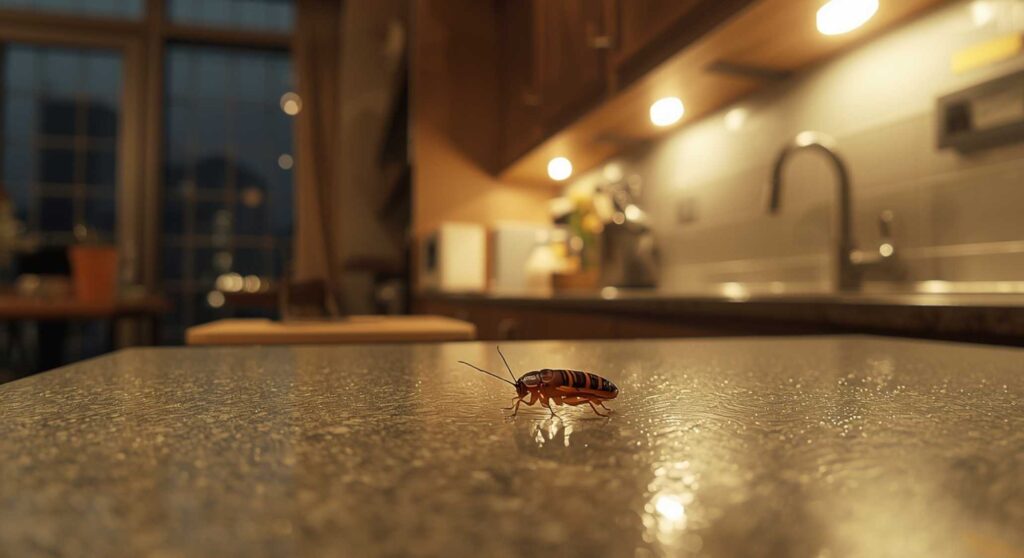
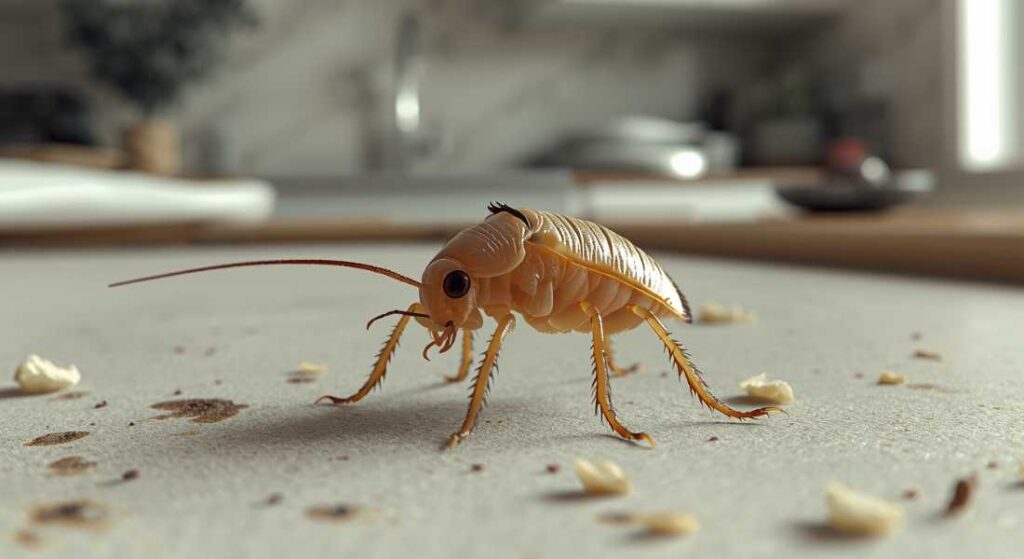
German cockroach roaches have a distinct appearance that helps separate them from other household insects. Adults measure around half an inch in length and show a light brown or tan color.
Two dark parallel stripes run from the head down the back which remains one of their most recognizable features.
Their bodies appear flat and oval which allows easy movement into tight spaces. Young nymphs resemble smaller versions of adults but appear darker and lack wings. Movement patterns remain quick and erratic especially when exposed to light.
Egg cases called ootheca stay attached to the female until hatching. This behavior increases survival rates and contributes to rapid population growth indoors.
German Cockroach Locations Inside Homes
German cockroach locations usually remain close to food moisture and warmth. Kitchens provide ideal conditions because crumbs grease and water are readily available. Common hiding spots include under sinks behind refrigerators inside cabinets and near stoves.
Bathrooms also support infestations due to humidity and plumbing access. Roaches hide behind wall panels near drains and inside vanity units. Laundry rooms and storage areas with cardboard clutter offer additional shelter.
Cracks in walls electrical outlets and appliance motors provide warmth and protection. In apartment buildings these pests move easily between units through shared plumbing and wiring spaces.
Signs of a German Cockroach Infestation
A clear sign of a german cockroach infestation involves frequent sightings especially during nighttime. Seeing roaches during the day often indicates overcrowding within hiding areas.
Droppings appear as small dark specks resembling ground pepper near cabinets and baseboards.
An unpleasant musty odor may develop in heavily infested areas. Egg cases found in drawers or behind appliances signal active breeding. Shed skins from growing nymphs often accumulate near nesting zones.
Grease marks and smear trails along walls and surfaces also indicate repeated movement. Recognizing these signs early helps limit spread and health exposure.
Health and Hygiene Concerns
German cockroach roaches contribute to hygiene problems by carrying bacteria such as Salmonella and E coli. These pathogens spread through contact with food surfaces utensils and packaging. Contaminated areas may increase the risk of food poisoning.
Allergens present in roach saliva droppings and shed skins trigger asthma symptoms and allergic reactions. Children and individuals with respiratory conditions experience higher sensitivity.
Maintaining cleanliness reduces attraction but does not eliminate existing populations. Understanding health impacts emphasizes the need for timely action.
How to Get Rid of German Cockroach Roaches
Learning how to get rid of german cockroach roaches starts with sanitation and habitat reduction. Food sources must remain sealed and spills cleaned promptly. Garbage disposal routines reduce attraction and breeding support.
Moisture control plays a critical role. Repairing leaks and drying sinks deprive roaches of essential water. Decluttering cabinets and storage areas limits hiding opportunities.
Professional grade baits and targeted treatments provide effective results when applied correctly.
Gel baits placed near nesting zones allow roaches to transfer poison within colonies. Integrated pest management focuses on long term control through monitoring and environmental adjustments.
Consistency remains essential because partial treatment allows populations to rebound quickly.
German Roaches vs American Roaches
German roaches vs American roaches differ in size habitat and behavior. German species remain smaller and prefer indoor living spaces near food preparation areas.
American roaches appear larger and often enter homes from outdoor environments such as drains basements and sewers.
German cockroach roaches reproduce faster and establish infestations inside walls and appliances. American roaches roam larger areas and show slower population growth indoors.
Understanding these distinctions assists in choosing suitable control strategies without confusion or misidentification.
Do American Cockroaches Eat German Cockroaches
Do american cockroaches eat germaan cockroaches remains a common question among homeowners.
American cockroaches display opportunistic feeding habits and may consume smaller insects under certain conditions. However direct predation does not serve as a reliable population control method.
German cockroach roaches continue to thrive indoors due to protected nesting sites and abundant food access. Relying on natural interactions does not resolve infestations or reduce health risks.
Effective management focuses on sanitation exclusion and targeted treatments rather than natural predators.
German Cockroach in Pakistan
German cockroach in Pakistan appears frequently in urban homes apartments and food establishments. Warm climates dense housing and shared infrastructure support their spread. Kitchens in residential flats and commercial eateries face higher exposure.
Limited awareness about identification leads to delayed control and misuse of general insect sprays. These sprays often scatter roaches deeper into hiding areas instead of eliminating colonies.
Local pest control services apply bait based treatments and sanitation guidance to address infestations effectively. Education remains key to reducing recurrence and improving hygiene standards.
Oriental Cockroach and German Roaches
Oriental cockraoch and german roaches differ in habitat preference and appearance. Oriental species appear darker and favor damp cooler environments such as basements drains and outdoor debris.
German cockroach roaches remain lighter in color and prefer warm dry indoor locations near food.
Oriental roaches move slower and show limited climbing ability. German roaches climb smooth surfaces and hide inside appliances. Both species carry health risks but require different control approaches.
Correct identification prevents wasted effort and improves treatment success.
Prevention Strategies and Daily Habits
Preventing german cockroach roaches involves daily habits that reduce attraction and access. Sealing cracks and crevices blocks entry points and nesting areas. Food storage in airtight containers limits feeding opportunities.
Regular cleaning under appliances and inside cabinets removes grease buildup. Cardboard boxes replaced with plastic containers reduce shelter availability.
Monitoring sticky traps helps detect early activity without heavy chemical use. Education of household members ensures consistency in prevention efforts.
Professional Control and Long Term Management
Professional pest management services offer structured solutions for persistent infestations. Technicians inspect nesting zones identify species and apply targeted treatments. Follow up visits ensure colony reduction and monitor reinfestation risks.
Integrated methods combine sanitation education physical exclusion and baiting systems. Long term management relies on cooperation between residents landlords and service providers.
Understanding pest behavior supports sustainable results rather than temporary relief.
Conclusion
German cockroach roaches remain one of the most challenging indoor pests due to their adaptability rapid reproduction and hidden lifestyle. Proper identification awareness of signs and understanding of health risks form the foundation of effective control.
By focusing on sanitation moisture control and targeted treatments households reduce infestations and protect living spaces. Take action early maintain cleanliness and seek professional guidance when needed to restore comfort and hygiene.
FAQs
What attracts german cockroach roaches into homes
German cockroach roaches enter homes seeking food warmth and moisture. Crumbs grease spills and leaking pipes create ideal conditions. Cluttered kitchens and storage areas provide shelter which allows populations to grow unnoticed.
How fast do german cockroach roaches multiply
German cockroach roaches reproduce rapidly due to females carrying egg cases until hatching. This behavior protects offspring and increases survival. Populations grow quickly when food and water remain available indoors.
Are german cockroach roaches dangerous to health
German cockroach roaches carry bacteria and allergens that contaminate surfaces and food. Exposure increases risks of food poisoning asthma symptoms and allergic reactions especially in children and sensitive individuals.
Can german cockroach roaches live without food
German cockroach roaches survive for limited periods without food but require regular access to water. Moisture sources such as sinks and leaks support survival even when food becomes scarce.
Why do german cockroach roaches hide in appliances
Appliances provide warmth darkness and protection. Motors and internal compartments offer stable temperatures and shelter. These locations also remain close to food sources which supports colony growth.
Are sprays effective against german cockroach roaches
Surface sprays offer temporary relief but often scatter roaches deeper into hiding areas. Bait based treatments and sanitation provide more effective control by targeting entire colonies.
How can early detection reduce infestation damage
Early detection limits population growth and health exposure. Identifying signs such as droppings odor and night activity allows timely treatment which prevents widespread contamination and structural hiding expansion.