

Introduction
Female brown banded cockroaches are the reproductive powerhouses behind some of the most challenging household infestations. These small, light brown insects are often confused with other species, but understanding their unique characteristics is essential for effective control.
This comprehensive guide will help you identify these pests, understand their behavior, and implement proven strategies to eliminate them from your home.
Unlike their German cockroach cousins, banded roaches prefer warm, dry environments and can establish colonies throughout your entire home rather than just in kitchens and bathrooms.
Recognizing the differences between males and females is crucial because the female carries and deposits egg cases that can perpetuate infestations for months.
What Makes Female Brown Banded Cockroaches Unique
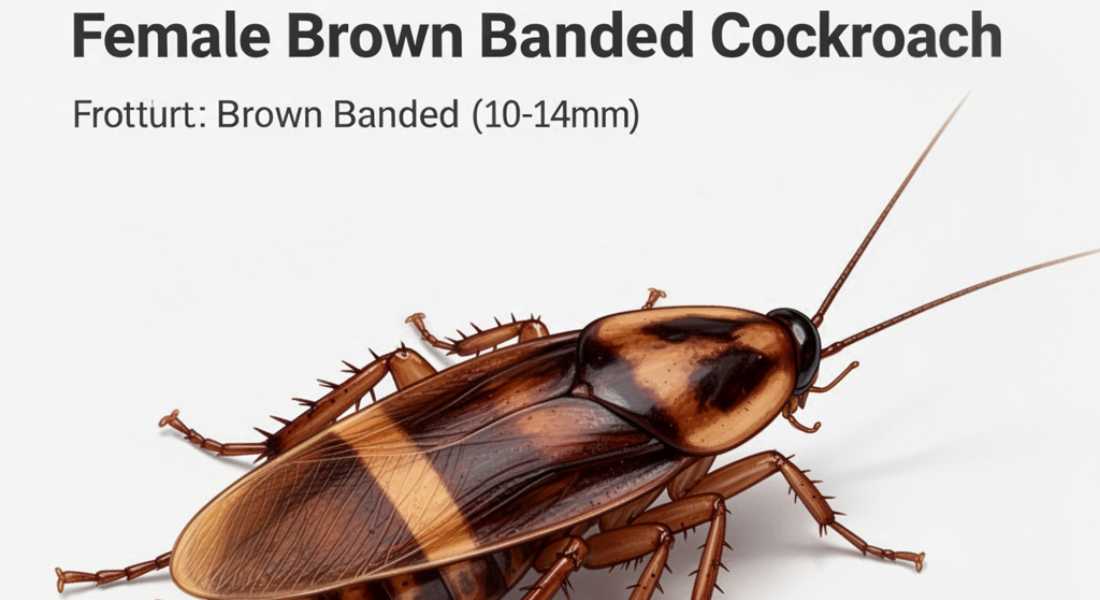
The female of this species displays distinct physical characteristics that set her apart from both males and other cockroach types. She measures approximately 10 to 14 millimeters in length, making her slightly larger and more robust than her male counterpart.
Her body features two distinctive light brown or tan bands across the wings and abdomen, which give this species its common name. However, the female’s wings are significantly shorter than the male’s and do not cover her entire abdomen.
This makes her less mobile through flight, though she remains an excellent climber and can navigate vertical surfaces with ease.
The coloration of females tends to be darker and more uniform compared to males. Her broader, rounder body shape is designed to accommodate the egg cases she produces throughout her reproductive life.
Identifying Brown Banded Cockroach Features
Size and Color Patterns
These roaches are among the smaller household species. Adults typically measure between 10 to 14 millimeters, with females being stockier than males. The characteristic striped pattern appears as two pale bands running horizontally across the body.
The overall coloration ranges from light brown to tan, which helps distinguish them from the darker German roach. Young nymphs display even more pronounced banding, making identification easier during early infestations.
Wings and Body Structure
Male brown band roaches possess fully developed wings that extend beyond the abdomen tip, enabling them to fly short distances when disturbed. Females have shorter, less functional wings that cover only about two-thirds of their abdomen.
This difference in wing development affects their behavior and movement patterns within your home. Males tend to position themselves higher up on walls and ceilings, while females often remain in sheltered areas where they can protect their egg cases.
Female Brown Banded Cockroach Reproductive Behavior
The reproductive capacity of these insects makes them particularly challenging to control. A single female produces between 10 to 18 egg cases during her lifetime, with each case containing approximately 14 to 18 eggs.
Unlike German cockroaches that carry their egg cases until just before hatching, the brown banded cockroach female deposits her eggs in hidden locations throughout your home.
She uses a sticky secretion to attach these capsules to furniture undersides, inside cabinets, behind picture frames, and along ceiling corners.
This egg-scattering behavior means infestations can spread throughout multiple rooms rather than concentrating in one area. The eggs develop over 30 to 80 days depending on temperature, with warmer conditions accelerating development.
Brown Banded Cockroach Nymph Development
Early Stage Characteristics
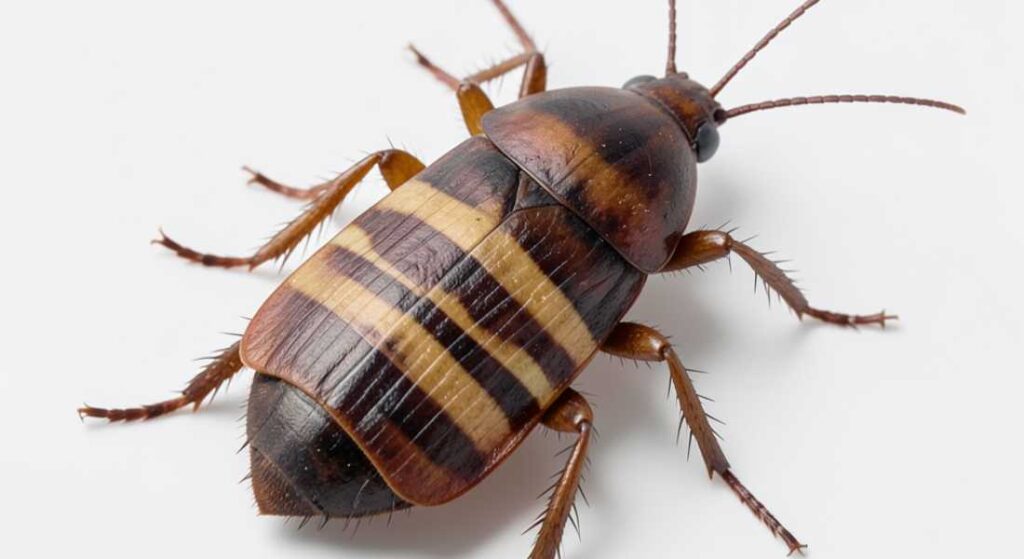
Newly hatched nymphs measure only about 3 millimeters and appear even lighter in color than adults. The banding pattern is extremely visible on juvenile roaches, appearing almost white against their darker bodies.
These young insects undergo six to eight molts before reaching adulthood, a process that takes approximately 90 to 276 days. Temperature and food availability significantly influence development speed.
Growth Patterns and Behavior
As the brown banded nymph matures, it gradually darkens and increases in size. During each molt, the bands become less contrasted but remain visible throughout all life stages.
Nymphs require the same environmental conditions as adults, preferring warm, dry locations at least 77 degrees Fahrenheit. They feed on the same materials as adults, including starches, glues, book bindings, and even wallpaper paste.
Where Do Brown Banded Roaches Come From
These pests typically enter homes through several common pathways. They often arrive in used furniture, cardboard boxes, grocery bags, or other items brought in from infested locations.
Unlike moisture-seeking species, banded roaches prefer drier conditions found in living rooms, bedrooms, and closets. This preference allows them to colonize areas that other cockroach species avoid, making detection more difficult.
Apartment buildings and multi-unit dwellings face particular challenges because these insects easily travel between units through shared walls, electrical conduits, and plumbing channels. A single infested unit can gradually spread the problem throughout an entire building.
Brown Banded Cockroach vs German Cockroach
Physical Differences
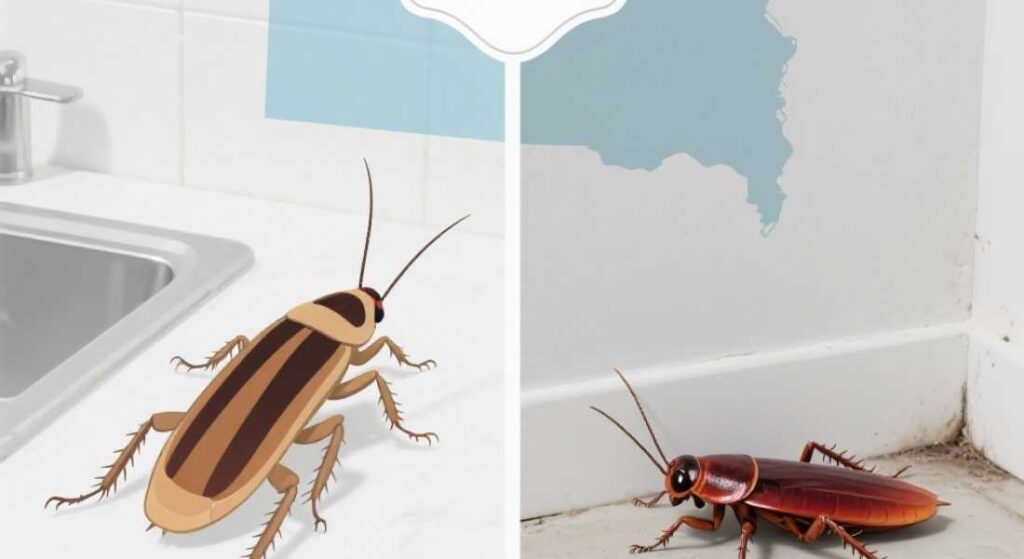
The German roach appears tan to light brown with two dark parallel stripes running lengthwise behind the head. In contrast, the brown banded species displays horizontal bands across the wings and abdomen.
Size comparison shows both species are similar in length, but German cockroaches appear more streamlined while brown banded varieties look stockier, especially females. Both species have wings, though only male banded roaches fly regularly.
Habitat Preferences
German roaches require high humidity and primarily infest kitchens and bathrooms where moisture is abundant. The brown band roach thrives in drier conditions and distributes throughout homes in bedrooms, living areas, and even inside electronics.
This habitat difference affects control strategies significantly. While treating kitchens and bathrooms might eliminate German cockroaches, the same approach proves insufficient against brown banded populations scattered throughout multiple rooms.
Do Brown Banded Cockroaches Infest Homes
Yes, these insects absolutely create serious infestations despite being less common than German cockroaches. Their ability to survive in dry conditions and reproduce continuously makes them persistent household pests.
A brown banded cockroach in house settings can quickly multiply because females deposit egg cases in numerous hidden locations. Within a few months, a small introduction can develop into a widespread problem affecting multiple rooms.
These roaches contaminate food, damage materials by feeding on starches and glues, and trigger allergies through their shed skins and droppings. Their presence indicates an established population since individual sightings are rare due to their secretive nature.
Are Brown Banded Cockroaches Hard to Get Rid Of
Eliminating these pests requires more effort than controlling other species because of their widespread distribution throughout homes. Their preference for elevated locations and dry environments means traditional baiting focused on kitchens and bathrooms proves less effective.
The scattered egg cases create ongoing reproduction even after adults are eliminated. Each protected egg capsule can release a dozen or more nymphs weeks or months after treatment, requiring sustained control efforts.
Professional pest control services often recommend integrated approaches combining multiple methods over several months. Homeowners attempting DIY solutions frequently underestimate the scope of treatment needed for complete elimination.
Brown Banded Cockroach Control Strategies
Inspection and Monitoring
Successful control begins with thorough inspection of all rooms, not just kitchens and bathrooms. Check upper cabinets, closet shelves, behind wall decorations, inside furniture, and near ceiling corners where these roaches prefer to shelter.
Look for the actual insects, their shed skins, dark fecal spots, and egg cases attached to surfaces. Monitoring traps placed in multiple locations help identify activity levels and track treatment progress.
Sanitation and Prevention
Reducing available food sources limits population growth. Store dry goods in sealed containers, clean up crumbs and spills promptly, and remove clutter that provides hiding places.
Seal cracks and crevices where roaches hide during daylight hours. Pay special attention to areas around baseboards, electrical outlets, and where utilities enter walls. This exclusion work prevents movement between rooms and units.
Brown Banded Cockroach How to Get Rid Of
Chemical Treatment Options
Insecticidal sprays applied to cracks, crevices, and void spaces kill roaches on contact and provide residual protection. Focus applications in areas where inspection revealed activity rather than broadcast spraying entire rooms.
Gel baits placed in small amounts throughout infested areas attract roaches that consume the poison and return to harborage areas before dying. These work well when positioned near suspected hiding spots in upper cabinets, furniture, and electronics.
Insect growth regulators disrupt reproduction by preventing nymphs from developing into adults. These products reduce future generations but require patience since they do not kill existing adults quickly.
Non-Chemical Approaches
Vacuuming removes visible roaches, nymphs, and egg cases from accessible surfaces. Immediately dispose of vacuum bags or empty canisters into sealed outdoor trash to prevent escape.
Sticky traps capture roaches and help monitor infestation levels without chemicals. Place them along walls, in cabinets, and other areas where roaches travel at night.
Temperature treatments using heat or cold can eliminate roaches in specific items or small spaces. However, whole-house treatments require professional equipment and expertise to ensure effectiveness without damaging property.
Brown Banded Cockroach Eggs and Egg Cases
The egg case of this species measures approximately 5 millimeters in length and appears reddish-brown to dark brown in color. Females produce these capsules and attach them to hidden surfaces within 24 to 48 hours of formation.
Each brown banded cockroach egg case contains an average of 14 to 18 individual eggs arranged in two rows. The protective casing shields developing embryos from many insecticides, making egg cases a significant challenge during treatment.
Locating and removing egg cases during inspection significantly reduces future populations. Check common attachment sites including furniture undersides, inside cabinets and drawers, behind wall hangings, along door frames, and in closet corners.
House Cockroach Types Comparison
Several cockroach species commonly infest homes, each with distinct characteristics and control requirements. The German roach remains the most common indoor species worldwide, preferring warm, humid kitchens and bathrooms.
American cockroaches are larger reddish-brown insects that typically enter from outdoors and prefer basements, sewers, and other damp locations. Oriental cockroaches appear dark brown to black and favor cool, damp environments.
Brown banded varieties occupy a unique niche by thriving in drier, warmer areas throughout homes. This allows them to coexist with other species or establish populations in buildings where moisture-dependent species cannot survive.
Understanding which species you face determines the most effective control strategy. Misidentification leads to treatment failures because methods effective against one type may not work against another.
Signs of Brown Banded Cockroach Infestation
Visual sightings of adult roaches, particularly in bedrooms or living areas, indicate an established population. These secretive insects typically hide during daylight, so daytime sightings suggest high population pressure.
Fecal deposits appear as small dark specks or smears on surfaces where roaches frequent. Look for these signs on walls, in cabinets, and along baseboards in multiple rooms throughout your home.
Shed skins from molting nymphs accumulate in harborage areas. These translucent brown casings confirm active reproduction and help identify the species through their banded pattern.
A distinctive musty odor may become noticeable in heavily infested areas. This smell results from pheromones and other chemicals roaches produce for communication.
Professional vs DIY Treatment
Minor infestations caught early may respond to diligent DIY efforts using over-the-counter products. Success requires commitment to thorough application, monitoring, and follow-up treatments over several months.
Widespread infestations affecting multiple rooms typically require professional intervention. Pest control technicians access professional-grade products unavailable to consumers and possess the expertise to identify all harborage areas requiring treatment.
Multi-unit buildings almost always need professional coordination to treat all affected units simultaneously. Treating individual apartments while ignoring adjacent units allows roaches to move around treatments and reinfest cleaned areas.
The financial investment in professional service often proves more cost-effective than repeated DIY attempts that fail to achieve complete elimination. Professionals also guarantee their work and return for follow-up treatments if needed.
Long-Term Prevention Strategies
Maintaining a roach-free home after successful elimination requires ongoing vigilance. Regular cleaning removes food sources and makes your home less attractive to these pests.
Inspect items before bringing them inside, especially used furniture, boxes, and packages from storage facilities or other potentially infested locations. Quarantine suspicious items until you can thoroughly examine them.
Seal entry points including gaps around pipes, electrical lines, and ventilation systems. Install door sweeps and repair damaged window screens to block access from outside or neighboring units.
Schedule periodic professional inspections in high-risk situations such as apartment living or homes adjacent to infested properties. Early detection prevents small introductions from developing into serious problems.
FAQs
What does a female brown banded cockroach look like?
The female brown banded cockroach has a stocky, rounded body measuring 10 to 14 millimeters in length. She displays two distinctive light brown bands across her wings and abdomen, with shorter wings that do not cover her entire body.
Her coloration is darker than males, ranging from medium to dark brown with the characteristic striped pattern.
How do brown banded cockroaches enter homes?
These pests typically arrive in used furniture, cardboard boxes, grocery bags, luggage, and other items brought from infested locations. They can also enter through shared walls and utility lines in apartment buildings.
Unlike outdoor species, they rarely enter from outside but instead transfer between indoor locations through human activity.
Can brown banded cockroaches fly?
Male brown banded roaches can fly short distances, especially when disturbed or when temperatures are warm. Females have shorter, less developed wings and cannot fly effectively. Both sexes are excellent climbers and typically move by running across surfaces rather than flying.
Where do brown banded cockroaches hide during the day?
These roaches prefer warm, dry elevated locations throughout homes. Common hiding spots include upper kitchen cabinets, closet shelves, behind picture frames, inside furniture, near ceiling corners, in electronics, and inside light fixtures.
They distribute throughout multiple rooms rather than concentrating in kitchens and bathrooms like German cockroaches.
How many eggs does a female brown banded cockroach produce?
A single female produces between 10 to 18 egg cases during her lifetime. Each case contains approximately 14 to 18 eggs, meaning one female can potentially produce 250 or more offspring.
She attaches these cases to hidden surfaces throughout your home, where they develop over one to three months depending on temperature.
Are brown banded cockroaches dangerous to humans?
While they do not bite or sting, these roaches pose health risks through contamination and allergens. They spread bacteria by crawling across surfaces after contacting unsanitary areas.
Their droppings, shed skins, and body parts trigger allergic reactions and asthma symptoms in sensitive individuals. They also damage books, wallpaper, and other materials by feeding on starches and glues.
What is the fastest way to get rid of brown banded cockroaches?
The fastest effective approach combines professional-grade insecticides, gel baits, and insect growth regulators applied throughout all infested areas. Treatment must target upper cabinets, closets, bedrooms, and living areas, not just kitchens.
Complete elimination typically requires three to six months with multiple follow-up treatments to address eggs hatching after initial applications.
Do brown banded cockroaches infest as heavily as German cockroaches?
While less common overall, brown banded cockroaches absolutely create serious infestations. Their scattered distribution throughout homes and protected egg cases make them particularly persistent.
They reproduce continuously under favorable conditions and can reach high population levels, especially in apartments and multi-unit buildings where control efforts are not coordinated.
Conclusion
Understanding the female brown banded cockroach and her role in household infestations empowers you to take effective action against these persistent pests.
Her ability to deposit egg cases throughout your home creates unique control challenges that require comprehensive treatment approaches.
Successful elimination depends on accurate identification, thorough inspection of all rooms, and sustained treatment targeting both adults and developing eggs.
Whether you choose DIY methods or professional services, commitment to complete coverage and follow-up treatments ensures the best results.
Remember that these roaches thrive in conditions different from other species, making prevention strategies equally important as elimination efforts.
Regular monitoring and maintaining an environment less favorable to these pests protects your home from future infestations.