

Introduction
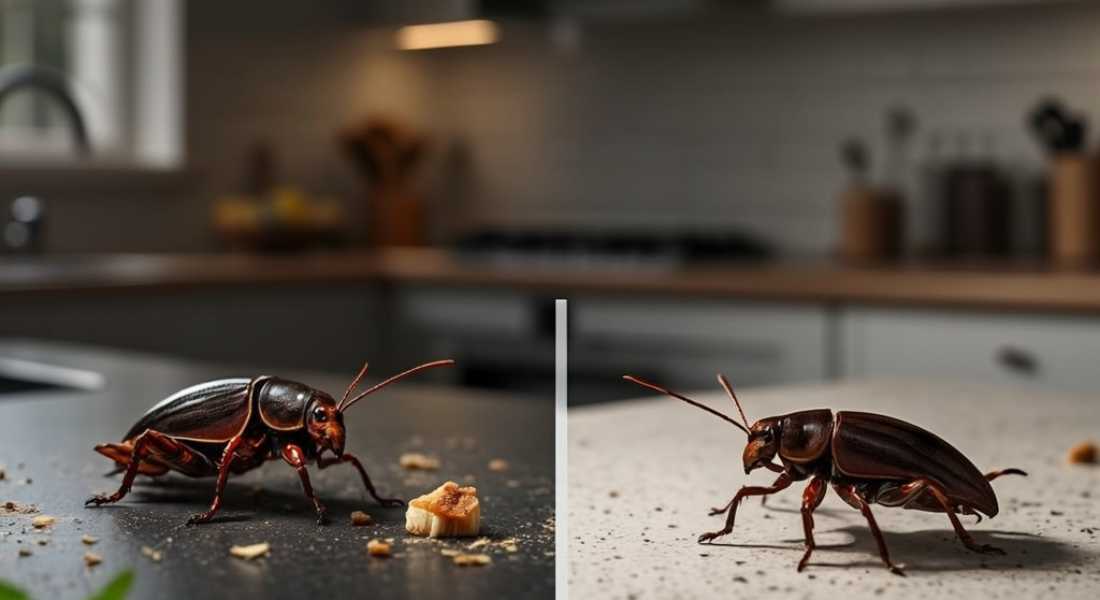
Do roaches like the dark? Yes, cockroaches are strongly attracted to darkness and actively avoid well-lit areas whenever possible.
These nocturnal pests have evolved over millions of years to thrive in dark environments where they feel safe from predators and can search for food without detection.
Understanding cockroach behavior patterns is essential for effective pest control in your home. This comprehensive guide explores why these insects prefer darkness, how temperature affects their activity, what attracts them to your living space, and practical solutions to keep them away.
Whether you’re dealing with a current infestation or want to prevent future problems, knowing how roaches respond to light and environmental conditions will help you take the right actions.
Why Cockroaches Prefer Darkness
Cockroaches have a natural instinct to seek dark hiding spots during daylight hours. Their preference for darkness is rooted in survival mechanisms that have kept these species alive for over 300 million years.
Natural Nocturnal Behavior
Roaches are primarily nocturnal creatures that become most active when the sun goes down. During nighttime hours, they emerge from their hiding places to search for food, water, and potential mates. This behavior helps them avoid daytime predators and human activity.
Their eyes are designed to function better in low-light conditions. While they can see in darkness, bright lights can disorient them and make them vulnerable. This is why you often see cockroaches scatter quickly when you turn on kitchen lights late at night.
Protection from Predators
In their natural habitats, cockroaches face numerous predators including birds, lizards, and other insects. Darkness provides essential cover that increases their chances of survival. Even in modern homes, this instinct remains strong.
When roaches detect light, they interpret it as a potential threat. Their rapid movement away from illuminated areas is an automatic response programmed into their nervous system. This reaction happens within milliseconds of light exposure.
Do Cockroaches Like Light or Dark Environments?
The relationship between cockroaches and light is clear: these pests overwhelmingly prefer dark spaces over lit ones. Scientific studies have consistently shown that roaches actively avoid light sources and seek the darkest available shelter.
Response to Different Light Levels
Cockroaches show varying responses depending on light intensity. Dim lighting may not trigger the same avoidance response as bright lights. Some species tolerate low-level ambient light better than others, but all prefer complete darkness when given the choice.
Research indicates that even red light, which many insects cannot detect well, will cause roaches to seek darker areas. Their light sensitivity is quite sophisticated and helps them navigate complex environments efficiently.
Does Sleeping with Lights On Keep Roaches Away?
Many people wonder whether keeping lights on will prevent cockroach activity in their homes. While cockroaches avoid well-lit areas, simply leaving lights on throughout the night is not an effective long-term solution.
Roaches will adjust their behavior and find dark crevices, cabinets, and hidden spaces even in homes with constant lighting.
They can survive and thrive in wall voids, under appliances, and inside cupboards where light never reaches. Additionally, keeping lights on constantly wastes energy and may disrupt your sleep patterns.
A better approach combines proper sanitation, sealing entry points, and targeted pest control methods rather than relying solely on illumination.
Temperature Preferences: Heat vs Cold
Beyond their preference for darkness, cockroaches also have specific temperature requirements that influence where they live and how active they become.
Do Roaches Like Heat or Cold?
Cockroaches are cold-blooded insects that prefer warm environments. They thrive in temperatures between 75°F and 85°F (24°C to 29°C). Heat accelerates their metabolism, reproduction, and overall activity levels.
Most common household species struggle in cold conditions. When temperatures drop below 45°F (7°C), roaches become sluggish and may die if exposed for extended periods. This is why you’ll find them near warm appliances like refrigerators, ovens, and water heaters.
Can Cockroaches Survive in Cold Weather?
While cockroaches prefer warmth, some species have adapted to survive in cooler climates. They cannot thrive in freezing temperatures but will seek heated structures during winter months. Indoor heating systems create ideal year-round conditions for infestations.
In regions with harsh winters, outdoor cockroach populations decline significantly. However, indoor populations remain stable because homes provide consistent warmth and shelter. This explains why cockroach problems often persist regardless of outdoor weather conditions.
Cockroach Activity in Different Seasons
During summer months, cockroach activity increases dramatically due to higher temperatures. They reproduce faster and become more aggressive in their search for food and water. You might notice more sightings during hot weather, especially in kitchens and bathrooms.
Winter typically reduces outdoor populations, but indoor infestations may actually become more noticeable. As roaches seek warmth, they concentrate in heated buildings and become more visible as they compete for limited resources in confined spaces.
What Attracts Cockroaches to Your Home?
Understanding what draws these pests into living spaces helps prevent infestations before they start. Cockroaches need three basic things: food, water, and shelter.
Why Do You Have Roaches All of a Sudden?
Sudden cockroach appearances often result from changes in your home environment or nearby properties. Common triggers include leaving food out overnight, water leaks creating moisture, new cracks in your foundation, or infestations in neighboring units spreading to your space.
Seasonal changes can also explain sudden increases. When outdoor conditions become unfavorable due to extreme heat, cold, or drought, roaches migrate indoors in larger numbers seeking better living conditions.
Sometimes a few roaches were already present but went unnoticed until their population grew large enough to become visible. A single pregnant female can produce hundreds of offspring within months.
Common Attractants in Homes
Cockroaches feed on virtually anything organic. Crumbs on countertops, dirty dishes in the sink, pet food left out, and garbage bins provide abundant food sources. They also consume paper, glue, soap, and even toothpaste when preferred foods are unavailable.
Moisture attracts roaches just as much as food. Leaky pipes, dripping faucets, and condensation around appliances create drinking water sources. Bathrooms and kitchens naturally have higher humidity levels that roaches find appealing.
Clutter provides ideal hiding spots where roaches feel safe during daylight hours. Cardboard boxes, stacked newspapers, and crowded storage areas offer dark crevices perfect for nesting. Reducing clutter eliminates these harborages and makes your home less inviting.
Identifying Different Types of Cockroaches
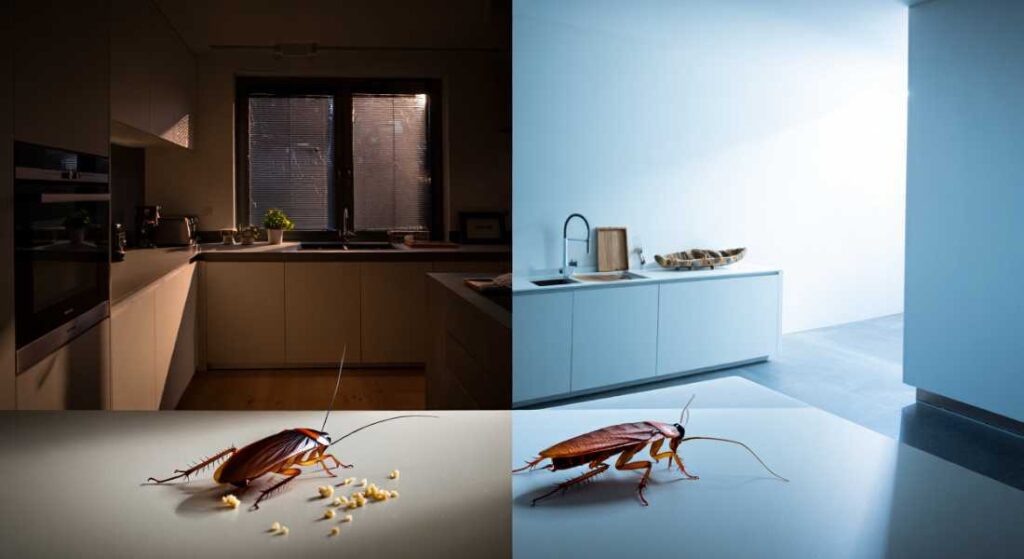
Not all cockroaches are the same. Different species have distinct appearances, behaviors, and habitat preferences. Proper identification helps determine the most effective control strategies.
Common House Cockroach Types
The German cockroach is the most prevalent indoor species worldwide. These small tan or light brown insects measure about half an inch long and have two dark parallel stripes behind their heads. They reproduce rapidly and prefer warm, humid areas near food sources.
American cockroaches are larger reddish-brown insects that can grow up to two inches long. Despite their name, they likely originated in Africa. These roaches prefer basements, sewers, and other damp locations but will invade living spaces when conditions are favorable.
Oriental cockroaches appear dark brown or black and prefer cooler, damper environments than other species. They often live in basements, crawl spaces, and around drains. Brown-banded cockroaches are smaller with distinctive light bands across their bodies and prefer drier, warmer areas.
How to Identify a Roach Problem
Seeing live cockroaches, especially during daytime, indicates a significant infestation. Roaches typically hide during the day, so daytime sightings suggest overcrowding in their hiding spots.
Look for small dark droppings that resemble ground pepper or coffee grounds. These fecal deposits often appear along walls, in corners, and near food sources. A strong, musty odor in affected areas also signals a large population.
Egg cases called oothecae are another telltale sign. These small brown capsules contain dozens of eggs and may be found in hidden areas like behind appliances or inside cabinets. Shed skins from molting nymphs accumulate in areas where roaches congregate.
Effective Control Methods
Eliminating cockroaches requires a comprehensive approach combining sanitation, exclusion, and targeted treatments. No single method works perfectly alone.
Sanitation and Prevention
Remove all food sources by cleaning thoroughly and regularly. Wipe down counters, sweep floors, and clean under appliances where crumbs accumulate. Store food in sealed containers and never leave dirty dishes overnight.
Fix water leaks immediately and eliminate standing water. Repair dripping faucets, seal pipe penetrations, and ensure proper drainage around your home. Reducing moisture makes your space far less attractive to roaches.
Declutter storage areas and remove unnecessary cardboard boxes that provide hiding places. Seal cracks and crevices in walls, baseboards, and around pipes using caulk or foam. This prevents roaches from accessing wall voids and other protected areas.
Professional vs DIY Solutions
Minor roach problems may respond to DIY treatments including baits, traps, and insecticidal sprays. Gel baits work particularly well because roaches consume the poison and spread it to others through their droppings.
Severe infestations typically require professional pest control services. Exterminators have access to more effective products and can identify hidden harborages that homeowners might miss. They also provide ongoing monitoring to ensure the problem doesn’t return.
Integrated pest management combines multiple strategies for long-term success. This approach uses the least toxic methods first and escalates only when necessary. Regular inspections and preventive measures keep populations under control without excessive chemical use.
FAQs
Do roaches like the dark more than light?
Yes, cockroaches strongly prefer darkness over light. Their nocturnal nature and evolutionary adaptations make them naturally drawn to dark spaces where they feel protected from predators and threats. When lights turn on, roaches instinctively flee to darker areas.
Will keeping lights on prevent cockroach infestations?
Keeping lights on may reduce visible cockroach activity in lit areas, but it will not prevent infestations.
Roaches will simply hide in dark crevices, cabinets, and wall voids where light cannot reach. Proper sanitation and exclusion methods work much better than constant lighting.
What temperature kills cockroaches?
Extreme temperatures kill cockroaches effectively. Temperatures below 32°F (0°C) can kill roaches within hours, while heat above 120°F (49°C) is also lethal. Professional heat treatments raise indoor temperatures to eliminate entire populations including eggs.
Why am I suddenly seeing cockroaches in my house?
Sudden cockroach appearances often result from environmental changes, new food or water sources, entry points opening in your home, or populations migrating from neighboring properties. Seasonal weather changes can also drive outdoor roaches indoors seeking better conditions.
Can cockroaches live in cold climates?
Cockroaches struggle in cold climates but survive by moving indoors where heating systems maintain favorable temperatures year-round. Outdoor populations die off during harsh winters, but indoor infestations persist regardless of external weather conditions.
Do all cockroach species avoid light?
Nearly all cockroach species prefer darkness and avoid bright light. While some species tolerate dim lighting better than others, the overwhelming majority are nocturnal and actively seek dark environments for safety and comfort.
Conclusion
Understanding that cockroaches prefer darkness helps explain their behavior and informs effective control strategies. These nocturnal pests seek dark, warm, and moist environments where they can hide from threats and access food and water.
While keeping lights on might reduce visible activity, it does not solve the underlying problem. Comprehensive pest management requires eliminating food sources, reducing moisture, sealing entry points, and using targeted treatments when necessary.
By addressing the conditions that attract roaches and understanding their environmental preferences, you can protect your home from these unwelcome visitors. Take action early when you notice signs of activity, as small problems quickly become major infestations if left untreated.