

Introduction
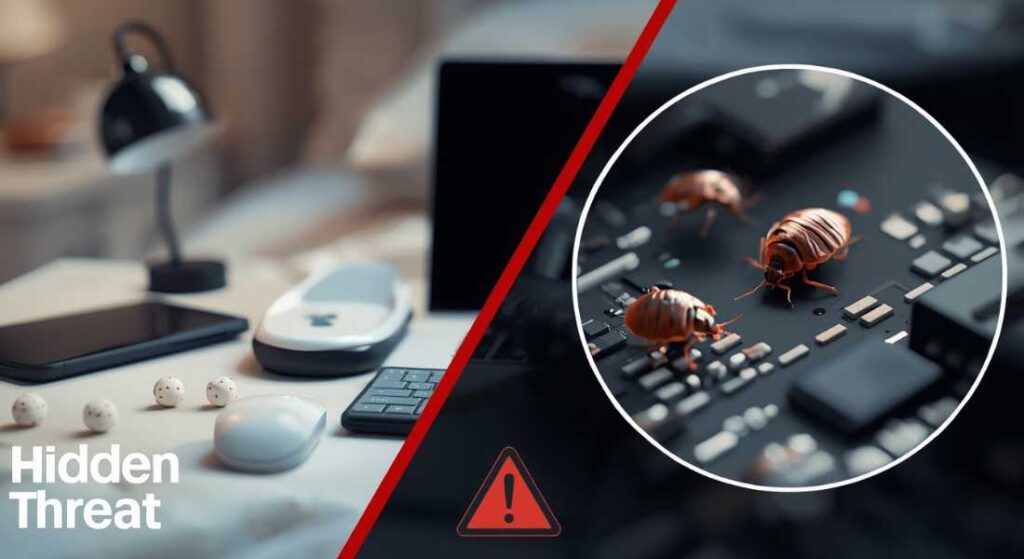
Do bed bugs hide in electronics? Yes, bed bugs can and do hide inside electronic devices including televisions, phones, computers, and alarm clocks. These tiny pests seek warm, dark spaces close to their human hosts, making electronics ideal hiding spots.
Understanding how bed bugs infest your devices and knowing effective removal strategies can help you eliminate these unwanted guests and prevent future infestations.
This comprehensive guide explains why electronics attract these pests, how to identify signs of infestation, and proven methods to safely remove them without damaging your valuable devices.
Why Bed Bugs Are Attracted to Electronic Devices
Electronics provide the perfect environment for bed bugs to thrive. These devices generate warmth during operation, creating cozy conditions that bed bugs naturally prefer.
The small crevices, ventilation slots, and internal compartments offer numerous hiding spots where these pests can remain undetected for extended periods.
Bed bugs don’t feed on electronics or electricity. They hide in these devices because they’re often located near sleeping areas like bedside tables, entertainment centers near couches, or desks where people spend significant time.
This proximity to human hosts makes electronics strategic locations for bed bugs waiting to feed.
The dark, enclosed spaces within electronic devices also appeal to bed bugs’ natural behavior. These nocturnal insects avoid light and seek tight spaces where they feel secure.
Circuit boards, battery compartments, and speaker grills provide ideal shelter that mimics their preferred natural habitats.
Understanding Bed Bug Biology and Survival
Physical Characteristics and Size
Bed bugs are remarkably small insects that can squeeze through tiny openings. Adult bed bugs measure approximately 4 to 5 millimeters in length, roughly the size of an apple seed. Their flat, oval-shaped bodies allow them to slip into cracks as thin as a credit card.
Bed bug larvae are even smaller, starting at just 1 millimeter when they first hatch. These immature bed bugs are nearly transparent or pale yellow, making them extremely difficult to spot inside electronics.
As they mature through five developmental stages, they gradually darken to the reddish-brown color of adults.
Bed Bug Eggs and Reproduction
Bed bug eggs are tiny, pearl-white oval capsules about 1 millimeter long. A single female can lay one to seven eggs daily, depositing them in protected crevices. These eggs have a sticky coating that helps them adhere to surfaces inside your devices.
Understanding what bed bug eggs look like helps with early detection. They resemble tiny grains of rice and often cluster together in hidden areas. Inside electronics, you might find them near ventilation openings, along seams, or tucked beside internal components.
The eggs hatch within six to ten days under favorable conditions. Warmth from operating electronics can actually accelerate this development, turning your devices into unintentional breeding grounds.
Survival Without Food Sources
How long can bed bugs live without a host? Adult bed bugs can survive four to six months without feeding under typical conditions. In cooler environments, they can enter a dormant state and potentially last up to a year without blood.
How long can a bed bug live without food depends on several factors including temperature, humidity, and the bug’s life stage. Younger bed bugs and larvae have shorter survival periods, typically lasting two to three months without feeding.
This remarkable survival ability means that bed bugs in electronics can persist even when devices are unplugged or stored away. Simply avoiding use of an infested device won’t eliminate the problem. The pests will patiently wait for their next opportunity to feed.
Common Electronics That Harbor Bed Bugs
Televisions and Entertainment Systems
Can bed bugs live in a tv? Absolutely. Televisions provide multiple entry points through ventilation slots, speaker grills, and connection ports. The warmth generated by TV components creates an inviting environment, especially for sets that remain on standby mode continuously.
Bed bugs in tv units often hide behind the screen, near circuit boards, or inside speaker compartments. Wall-mounted televisions in bedrooms are particularly vulnerable since they’re positioned close to sleeping areas. Entertainment centers with multiple components offer even more hiding spots.
Signs of infestation include tiny dark spots (fecal stains) around vents, shed skins near openings, or even live bugs crawling on the screen surface during nighttime hours.
Mobile Phones and Tablets
Bed bugs in phone devices are less common but certainly possible. These pests can enter through charging ports, speaker holes, or gaps between the screen and casing. Phones kept on nightstands or used in bed face higher infestation risk.
Bed bugs on phone screen surfaces might appear as tiny dark specks that move slowly. However, most infestations occur inside the device where bugs hide in the small spaces around batteries and circuit boards.
The constant warmth from battery operation and proximity to your body during use makes phones attractive to these pests. Tablets face similar risks, with larger devices offering more internal hiding spaces.
Computers and Keyboards
Desktop computers, laptops, and keyboards provide numerous hiding spots. Computer towers have spacious interiors with multiple components generating heat. Keyboards feature gaps between keys where bed bugs can easily slip through and nest underneath.
Laptops used in bed or on couches near infested furniture are especially vulnerable. The combination of warmth, darkness, and proximity to hosts makes them prime real estate for bed bugs seeking shelter.
External hard drives, computer mice, and USB hubs can also harbor these pests. Any electronic device kept near sleeping or sitting areas should be inspected if you suspect an infestation.
Alarm Clocks and Bedside Devices
Alarm clocks sit directly on nightstands, placing them in the primary zone where bed bugs travel between hiding spots and their human hosts. Digital clocks with multiple buttons, displays, and internal compartments offer perfect hiding spots.
Other bedside electronics like lamps with electronic components, charging stations, and smart home devices face similar risks. The constant proximity to sleeping humans makes these devices highly attractive to bed bugs.
Identifying Bed Bug Infestations in Electronics
Visual Signs and Symptoms
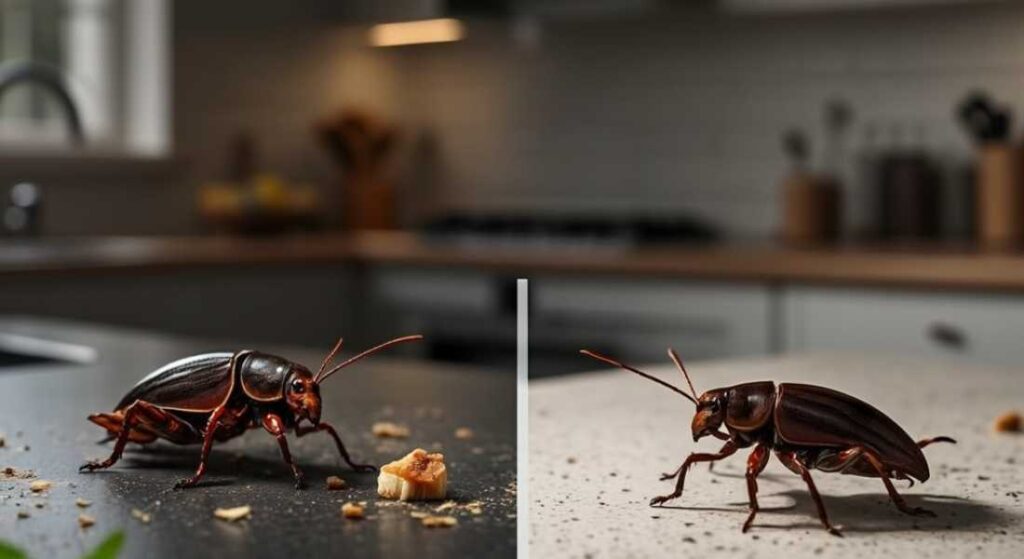
Detecting bed bugs requires careful inspection. Look for live bugs, which appear as small, flat, reddish-brown insects. Check all openings, seams, and surfaces of your electronics using a bright flashlight and magnifying glass.
Bed bug eggs appear as clusters of tiny white or translucent oval shapes. You might find them glued near ventilation slots or inside accessible compartments. These bedbug eggs often accompany other infestation signs.
Shed skins are another telltale indicator. As bed bugs grow, they molt five times, leaving behind hollow, translucent exoskeletons. These shells often accumulate near hiding spots inside or around electronics.
Fecal Stains and Odor
Dark spots or streaks on electronics indicate bed bug fecal matter. These stains appear as tiny black or rust-colored dots that may smear when touched. They often concentrate around entry points and favorite hiding spots.
Severe infestations produce a distinctive sweet, musty odor. This smell comes from the pests’ scent glands and becomes noticeable when many bugs inhabit a confined space. If your electronics emit an unusual odor, inspect them immediately.
Blood spots might appear on surfaces where you’ve placed infested devices. These small reddish-brown stains result from bugs being crushed or from their feeding activities.
How Bed Bugs Enter Electronic Devices
Transfer from Infested Furniture
Electronics and bed bugs often come into contact when devices sit on infested furniture. Bed bugs travel from mattresses, couches, or chairs onto nearby electronics. A single bug can establish a new colony if it finds suitable conditions inside your device.
Moving infested furniture or electronics spreads the problem to new locations. When you relocate a television from an infested bedroom or bring home used electronics, you risk introducing bed bugs to previously clean areas.
Bed bugs don’t jump or fly. They crawl at speeds up to four feet per minute when motivated, easily covering the distance from infested furniture to nearby electronics during their nocturnal travels.
Introduction Through Travel and Used Items
Purchasing secondhand electronics carries significant risk. Used televisions, computers, game consoles, and other devices may harbor hidden bed bug populations. Always thoroughly inspect any pre-owned electronics before bringing them home.
Travel represents another common introduction method. Bed bugs from hotel rooms can crawl into phone chargers, laptops, or other electronics you use during your stay. They then hitchhike back to your home inside these devices.
Visiting infested locations and placing your electronics on contaminated surfaces can also transfer bed bugs. The pests quickly recognize new hiding opportunities and will readily explore nearby objects.
Health and Safety Concerns
Physical Health Risks
While bed bugs don’t transmit diseases, their bites cause uncomfortable reactions. Itchy, red welts typically appear in lines or clusters where bugs have fed. Some people develop allergic reactions requiring medical attention.
Scratching bites can lead to secondary infections. Broken skin provides entry points for bacteria, potentially causing more serious health complications than the original bites.
Sleep disruption from bed bug anxiety and actual feeding activities affects mental and physical health. Chronic sleep deprivation can impair immune function, cognitive performance, and overall wellbeing.
Device Damage Potential
Bed bugs themselves rarely damage electronics directly. However, their fecal matter and shed skins can accumulate inside devices, potentially interfering with ventilation and causing overheating issues over time.
Treatment methods pose greater risks to your electronics. Using incorrect pesticides, excessive heat, or liquid treatments can permanently damage sensitive components. Always prioritize device-safe elimination methods.
Infestation-related corrosion sometimes occurs when fecal matter and other organic residues accumulate on circuit boards. This long-term exposure can degrade connections and affect device performance.
Professional Treatment Options
Chemical Treatment Methods
Pest control professionals use various insecticides formulated specifically for bed bug elimination. Contact sprays kill bugs on impact, while residual treatments provide ongoing protection. However, applying liquid pesticides directly to electronics is dangerous and generally prohibited.
Bed bug pesticide strips offer an alternative chemical approach. These vapor-releasing devices work in enclosed spaces to kill bed bugs without direct application. Nuvan strips and similar products contain dichlorvos, an organophosphate that vaporizes and penetrates hiding spots.
Nuvan ProStrips bed bugs treatment involves placing strips in sealed bags or containers with infested items. The vapor circulates through the enclosed space, reaching bugs hidden deep inside electronics. This method requires several days to weeks for complete effectiveness.
Using nuvan strips for bed bugs requires careful attention to safety guidelines. The chemical vapors are toxic to humans and pets, so treated items must remain sealed in unoccupied areas. Always follow manufacturer instructions precisely.
Heat Treatment Solutions
Professional heat treatment eliminates bed bugs at all life stages without chemicals. Specialized equipment raises room temperatures to 120-135°F for several hours, temperatures that kill bed bugs and their eggs.
Heat treatment works well for treating entire rooms containing electronics, but direct heating of individual devices requires caution. Excessive temperatures can damage sensitive components, screens, and batteries.
Some pest control companies offer portable heat chambers designed to safely treat individual items including electronics. These controlled environments maintain lethal temperatures for bed bugs while staying within safe ranges for most devices.
Integrated Pest Management Approaches
Effective bed bug control typically combines multiple strategies. Professionals assess the infestation severity, identify all affected areas, and develop comprehensive treatment plans addressing both electronics and surrounding environments.
Regular monitoring using interceptors, visual inspections, and sometimes detection dogs helps ensure complete elimination. Follow-up treatments often prove necessary since bed bug eggs can survive initial applications.
Professional services also provide guidance on preventing reinfestation, preparing spaces for treatment, and safely handling infested electronics throughout the elimination process.
DIY Methods for Removing Bed Bugs from Electronics

Freezing Treatment
Cold treatment offers a chemical-free option for killing bed bugs in electronics. How to get rid of bed bugs in electronics using freezing involves placing devices in sealed plastic bags and storing them in freezers at 0°F or below for at least four days.
This extended exposure ensures that cold penetrates throughout the device, killing bugs at all life stages. Simply placing electronics in cold environments above 0°F or for shorter periods may not eliminate all pests.
Before freezing, remove batteries from devices when possible. Extreme cold can damage certain battery types. Also seal electronics in multiple plastic bags to prevent moisture condensation from damaging components during the thawing process.
Isolation and Containment
Isolating infested electronics prevents bugs from spreading to other areas. Place devices in sealed plastic bags or airtight containers immediately upon discovering an infestation. This containment strategy stops bugs from migrating while you arrange treatment.
Keep isolated electronics away from beds, couches, and other furniture. Store them in garages, sheds, or other separated spaces until you can properly treat them. Remember that bed bugs can survive months without feeding, so isolation alone won’t eliminate them.
Double-bagging provides extra security. Use heavy-duty plastic bags and seal them tightly with tape. Check containers regularly for any signs of bugs attempting to escape or evidence that treatment is needed.
Vapor Strip Treatment
Vapor strips for bed bugs provide accessible DIY chemical treatment. Bed bug chemical strips like Nuvan ProStrips release dichlorvos vapor that kills bed bugs in enclosed spaces. These pest strips for bed bugs work well for treating electronics that can tolerate chemical exposure.
How to get rid of bed bugs in cell phones using vapor strips requires sealing the device in an airtight bag with the strip. Leave the bag sealed for the recommended duration, typically one to two weeks. Ensure the treatment occurs in unoccupied areas due to toxic vapors.
Bed bug pest strips are not suitable for all electronics. Devices with porous materials or sensitive components might absorb chemical residues. Research compatibility before using strips for bed bugs on valuable or essential electronics.
After treatment, air out devices thoroughly in well-ventilated areas before use. The chemical odor should dissipate completely before you handle treated electronics regularly.
Manual Cleaning and Inspection
Careful disassembly and cleaning can remove bed bugs from some electronics. This method works best for devices you can safely open without voiding warranties or causing damage. Use compressed air to blow out bugs, eggs, and debris from crevices.
Vacuum attachments with soft brushes can extract bed bugs from external surfaces and openings. Immediately seal and dispose of vacuum bags after use to prevent bugs from escaping. Steam cleaning external surfaces kills bugs on contact, but avoid applying moisture to internal components.
Inspect every crevice using bright lights and magnification. Remove any visible bugs, eggs, or shed skins with tweezers or tape. This labor-intensive process requires patience and thoroughness to ensure complete removal.
Prevention Strategies
Protective Measures for Electronics
How to get rid of bed bugs in tv units starts with prevention. Keep electronics away from beds and infested furniture when possible. Use protective covers on devices in high-risk areas, though ensure covers don’t block necessary ventilation.
Elevate electronics on smooth metal or plastic stands that bed bugs struggle to climb. Avoid placing devices directly on carpeted floors, upholstered furniture, or against walls where bed bugs commonly travel.
Regular inspections catch infestations early. Check electronics monthly in high-risk environments, looking for signs of bed bugs around openings, seams, and surfaces. Early detection makes elimination much simpler.
Travel Precautions
When traveling, never place electronics on beds, upholstered furniture, or carpeted floors in hotel rooms. Use luggage racks, hard surfaces, or sealed bags to store devices. Inspect hotel rooms for bed bug signs before settling in.
Upon returning home, inspect all electronics used during travel before bringing them into living spaces. Treat suspicious devices with freezing or vapor strips before reintroducing them to your home environment.
Consider using protective bags or cases for electronics during travel. Smooth, sealed containers provide barriers that bed bugs cannot easily penetrate, reducing infestation risk during trips.
Home Environment Management
Reducing overall bed bug populations in your home protects electronics. Regular vacuuming, decluttering, and furniture inspection minimize hiding spots and early-stage infestations. Seal cracks in walls, baseboards, and furniture where bed bugs might harbor.
Use mattress and box spring encasements to contain bed bugs and prevent new infestations in sleeping areas. This reduces the population near bedside electronics and other vulnerable devices.
Maintain awareness when acquiring used furniture or electronics. Inspect all secondhand items thoroughly before bringing them home. When in doubt, treat potentially infested items preventively before introduction to clean spaces.
Special Considerations for Different Electronics
Treating Delicate Devices
Smartphones, tablets, and laptops contain sensitive components requiring gentler treatment approaches. Avoid heat methods exceeding manufacturer specifications, as excessive temperatures damage screens, batteries, and internal circuitry.
Freezing works well for most modern electronics, but remove batteries first when possible. Some older devices with certain LCD screens might suffer damage from extreme cold, so research your specific device before freezing.
Vapor strip treatment offers good results for sealed, non-porous devices. However, items with fabric components, porous casings, or extensive ventilation may absorb chemical residues, making this method less ideal.
Large Entertainment Systems
How to get rid of bed bugs in tv systems with multiple components requires treating all connected devices. Receivers, gaming consoles, cable boxes, and speakers should all undergo treatment simultaneously to prevent bugs from migrating between components.
Disconnect all devices and treat them individually when possible. This approach ensures thorough treatment and prevents bugs from moving through connected cables during the process. Seal cables in bags during treatment as well.
For wall-mounted televisions, inspect the wall mounting hardware and surrounding wall area. Bed bugs often hide behind mounted screens or in wall voids, requiring treatment beyond just the television itself.
Computers and Office Equipment
Desktop computers with spacious internal compartments may harbor larger bed bug populations. Opening the case for manual inspection and compressed air treatment can be effective, but only attempt this if you’re comfortable with basic computer maintenance.
Keyboards represent particular challenges since they have numerous small openings. Consider replacing heavily infested keyboards as they’re difficult to treat thoroughly. For valuable mechanical keyboards, vapor strip treatment in sealed bags works well.
Printers, scanners, and other office peripherals should receive the same attention as computers. These devices often sit unused for extended periods, providing undisturbed hiding spots where bed bugs can establish populations.
When to Seek Professional Help
Signs You Need Expert Assistance
If you’ve attempted DIY treatment without success, professional intervention becomes necessary. Persistent infestations despite multiple treatment attempts indicate the problem extends beyond your electronics to surrounding areas.
Widespread infestations affecting multiple rooms or numerous electronics require professional-grade treatment. The coordination, specialized equipment, and expertise professionals provide ensure comprehensive elimination.
When valuable or essential electronics are infested, professional treatment minimizes damage risk. Experts understand how to safely treat sensitive devices while maintaining their functionality and preserving warranties where applicable.
Choosing a Pest Control Service
Select licensed, experienced pest control professionals specializing in bed bug elimination. Request references and verify their track record with electronic device treatment. Not all exterminators have experience safely treating infested electronics.
Discuss treatment methods before hiring. Ensure they understand your concerns about device safety and can explain their approach to treating electronics specifically. Ask about guarantees and follow-up services if initial treatment proves insufficient.
Compare quotes from multiple services, but don’t choose based solely on price. The cheapest option may lack necessary expertise or use inappropriate methods that could damage your electronics or fail to eliminate the infestation.
Long-Term Management and Monitoring
Establishing Inspection Routines
Create regular inspection schedules for electronics in vulnerable areas. Monthly checks of bedside devices, entertainment centers, and office equipment help catch new infestations before they establish strongholds.
Use flashlights and magnifying tools during inspections. Check all openings, seams, and surfaces for live bugs, eggs, fecal stains, or shed skins. Document inspections to track patterns and identify problem areas.
Maintain awareness of bed bug signs even after successful treatment. Reinfestation can occur through various pathways, so ongoing vigilance protects your devices and living spaces from new invasions.
Creating Bed Bug Barriers
Physical barriers reduce bed bug access to electronics. Smooth metal or plastic stands create climbing obstacles. Double-sided tape around device bases traps bugs attempting to reach electronics, though this method works better for stationary items.
Interceptor traps placed under furniture legs where electronics sit can monitor for bed bugs and prevent them from reaching devices. Regular trap checks provide early warning of new activity.
Maintaining distance between electronics and known bed bug pathways like baseboards, wall outlets, and furniture seams reduces infestation risk. Strategic placement makes devices less accessible to traveling bugs.
Record Keeping and Documentation
Document all infestations, treatments, and outcomes. This information helps identify patterns, evaluate treatment effectiveness, and guide future prevention efforts. Note dates, methods used, and results observed.
Photograph infested areas and electronics before and after treatment. Visual records help track progress and provide evidence for landlords, professional services, or warranty claims if devices require replacement.
Maintain receipts for professional services and DIY treatment products. Documentation proves treatment history and supports insurance claims or rental agreements requiring tenant or landlord responsibility demonstration.
FAQs
Can bed bugs permanently damage my electronics?
Bed bugs themselves rarely cause permanent damage to electronics. The main risk comes from their waste products accumulating inside devices over extended periods, potentially affecting ventilation and heat dissipation.
Treatment methods pose greater damage risks if not applied carefully. Chemical treatments, excessive heat, or moisture exposure during elimination efforts can harm sensitive components. Following proper treatment guidelines protects your devices while eliminating infestations.
How long can bed bugs live in electronics without feeding?
Adult bed bugs can survive four to six months inside electronics without access to blood meals under normal conditions. In cooler environments or when devices remain unplugged and stored, they may survive even longer by entering dormant states.
This remarkable survival ability means simply avoiding use of infested devices won’t eliminate the problem. Active treatment is necessary to remove bed bugs from electronics regardless of how long devices remain unused.
Do bed bugs get into electronics frequently?
While bed bugs can infest electronics, it’s not their preferred habitat. They primarily seek hiding spots near sleeping areas where human hosts are readily accessible.
Electronics become infested mainly when positioned close to beds, couches, or other furniture where people rest regularly. Devices kept away from these high-risk zones face lower infestation probability.
However, any electronics in infested homes remain vulnerable to opportunistic bed bugs seeking additional hiding spots.
What do bed bug eggs look like in my devices?
Bed bug eggs appear as tiny, pearl-white or translucent oval capsules measuring approximately 1 millimeter in length.
They resemble miniature grains of rice and often cluster in groups of five to twenty eggs. Inside electronics, you’ll find them adhered to surfaces near openings, along seams, or tucked beside internal components.
The eggs have a sticky coating that helps them cling to surfaces, making them difficult to dislodge. Their small size and pale coloring make detection challenging without bright lighting and magnification.
Are vapor strips safe for all electronics?
Vapor strips work well for many electronics but aren’t universally safe. Devices with sealed, non-porous exteriors tolerate vapor treatment better than those with fabric components or extensive ventilation.
The chemical vapors can penetrate deep into devices, potentially leaving residues on sensitive components. Always research your specific device before using strips for bed bugs.
Remove batteries when possible and ensure thorough airing after treatment. Consult manufacturer guidelines or professionals if uncertain about compatibility.
Can I use heat to treat my laptop or phone?
Professional heat treatment chambers can safely treat laptops and phones at controlled temperatures. However, attempting heat treatment at home using ovens, dryers, or other heating methods risks serious damage.
Electronics contain components with varying heat tolerances. Batteries are particularly sensitive and can explode or leak under excessive heat. Screens, circuit boards, and plastic housings may warp or fail.
If pursuing heat treatment, use only professional services with equipment designed specifically for safely treating electronics.
Will bed bugs get into electronics that are turned off?
Yes, bed bugs will infest electronics regardless of whether they’re powered on or off. While operating devices generate warmth that attracts these pests, the physical structure of electronics provides hiding spots that bed bugs find appealing even in unpowered devices.
Proximity to human hosts matters more than device operation status. Electronics near beds, couches, or other resting areas face infestation risk whether used daily or stored unused for months.
How do I prevent bed bugs when buying used electronics?
Thoroughly inspect all used electronics before purchase and again before bringing them into your home. Check all openings, seams, and surfaces for live bugs, eggs, fecal stains, or shed skins using bright lights and magnification.
Ask sellers about the device’s history and storage conditions. Consider freezing or vapor strip treatment as preventive measures for questionable items.
When possible, meet sellers in neutral locations and inspect items outdoors where you can examine them carefully in good lighting.
Conclusion
Understanding that bed bugs hide in electronics helps you protect your devices and home from these persistent pests.
Electronics provide ideal hiding spots with warmth, darkness, and proximity to human hosts. Regular inspections, proper treatment methods, and preventive strategies keep your valuable devices bug-free.
Whether you choose DIY approaches like freezing and vapor strips or professional heat treatment services, acting quickly when you discover infestations prevents spread and minimizes damage risks.
Remember that bed bugs in electronics indicate larger environmental issues requiring comprehensive treatment of your entire living space.
Stay vigilant, inspect regularly, and address infestations promptly. With proper knowledge and consistent effort, you can successfully eliminate bed bugs from your electronics and prevent future invasions.