

Introduction
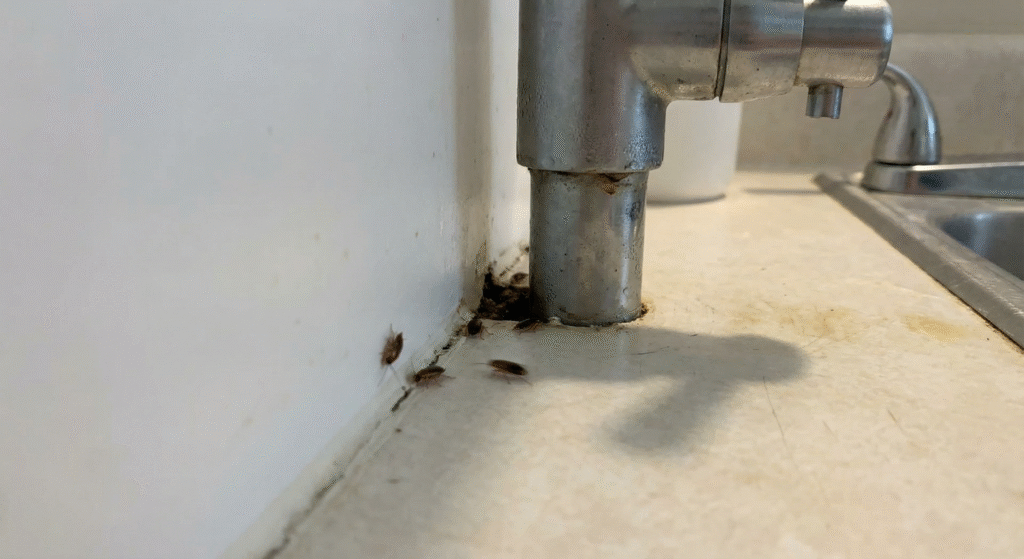
Cockroach nymphs in bathroom causes & solution is a pressing concern for many homeowners who discover these tiny pests in their most private spaces. These young roaches indicate an active infestation that requires immediate attention. Baby roaches typically appear smaller than adults with lighter coloring and undeveloped wings.
Finding these juvenile insects in your bathroom is particularly alarming because it signals that roaches are breeding nearby. Unlike adult cockroaches that might wander in occasionally, nymphs stay close to their hatching site. This means their nest is likely within your bathroom or very close to it.
Understanding why these pests choose bathrooms and how to eliminate them effectively will help you reclaim your space. This guide provides practical solutions backed by pest control expertise to help you address this problem permanently.
Why Baby Roaches Choose Your Bathroom
Bathrooms create perfect conditions for cockroach survival and reproduction. These spaces offer everything young roaches need to thrive and grow into adults.
Moisture and Humidity
Roaches cannot survive long without water. Your bathroom provides constant moisture through sinks, showers, tubs and toilets. Even small leaks under pipes or condensation on walls gives them enough hydration. Young nymphs especially depend on humid environments because their bodies lose moisture faster than adults.
Food Sources in Unexpected Places
You might think bathrooms lack food but roaches find plenty to eat. Hair, dead skin cells, soap residue, toothpaste and even mildew serve as nutrition. The organic matter in drain pipes becomes a buffet for these opportunistic feeders.
Dark Hiding Spots
Baby roaches avoid light and seek tight crevices. Bathrooms offer numerous hiding places behind toilets, under sinks, inside cabinets, between tiles and within wall voids. These protected areas let nymphs molt safely as they grow.
Common Causes of Cockroach Nymphs in Bathroom
Understanding what attracts these pests helps you prevent future infestations. Several factors contribute to their presence.
Plumbing Issues and Leaks
Dripping faucets, leaky pipes and moisture damage create ideal breeding grounds. Even minor plumbing problems that seem insignificant to you provide essential resources for roach colonies. Check under sinks and around toilet bases regularly for hidden leaks.
Poor Ventilation
Bathrooms without proper airflow retain humidity longer. This extended moisture period makes your space more attractive to roaches. Inadequate exhaust fans or blocked vents trap dampness inside.
Cracks and Entry Points
Small gaps around pipes, damaged grout, loose tiles and cracks in walls allow roaches to enter from neighboring units or outdoor areas. These openings also provide harborage where they establish nests.
Cluttered Spaces
Stacked towels, stored products and bathroom clutter create additional hiding spots. Roaches prefer undisturbed areas where they can breed without detection.
Identifying Different Types of Baby Roaches
Not all small roaches are the same species. Proper identification helps you choose the most effective treatment method.
German Cockroach Nymphs
These are the most common indoor species. German cockroach babies appear tan to dark brown with two dark stripes behind their heads. They measure about 3mm when first hatched and grow to 15mm before adulthood. This species multiplies rapidly with females producing up to 400 offspring in their lifetime.
American Cockroach Nymphs
Young American roaches look grayish brown and develop reddish coloring as they mature. They grow larger than German nymphs, reaching 35mm before becoming adults. These roaches typically enter through sewer systems and floor drains.
Smoky Brown Cockroach Nymphs in Bathroom
Smoky brown cockroach nymph in bathroom settings appears dark with white or yellowish bands across their backs. They prefer very humid conditions and often come from attics or crawl spaces. These roaches need more moisture than other species making bathrooms their primary target.
Why You See Baby Roaches But No Adults
This common situation confuses many homeowners. Seeing baby roaches but no adults happens for several reasons.
Nymphs and adults have different activity patterns. Young roaches emerge more frequently during the day while searching for food and water. Adults typically stay hidden and only come out at night when disturbances are minimal.
Adults also move faster and scatter quickly when lights turn on. Their speed and tendency to hide in deeper crevices makes them harder to spot. Meanwhile, slower moving nymphs get caught in the open more often.
The presence of only baby roaches might also mean the adults are hiding in wall voids, under appliances or in other rooms. Your bathroom serves as a nursery where eggs hatch and young roaches spend their early life stages.
Baby Roaches in Bathroom at Night
Cockroaches are nocturnal creatures. Baby roaches in bathroom at night become more active because they feel safer in darkness.
When you turn on bathroom lights during nighttime hours, you might see them scattering toward drains or behind fixtures. This behavior indicates a significant population since only severe infestations drive roaches to risk exposure.
Night activity also relates to their feeding schedule. Roaches prefer foraging when predators and disturbances are minimal. The quiet darkness of your bathroom at 2 AM provides perfect conditions for them to search for food and water.
If you consistently spot them at night, the infestation likely exceeds what you can see. For every roach visible, dozens more hide nearby.
Bugs That Look Like Baby Roaches
Several insects resemble young cockroaches. Proper identification prevents wasted effort on wrong treatments.
Carpet beetle larvae have similar sizes and colors but feature hairy or bristled bodies. Bed bug nymphs appear more oval and translucent reddish brown. Booklice look pale and soft bodied unlike the harder exoskeleton of roach nymphs.
Ground beetle larvae and certain types of crickets in juvenile stages might also cause confusion. True cockroach nymphs have distinct characteristics including six legs, long antennae, oval bodies and they run quickly when disturbed.
When uncertain, capture a specimen and compare it to online identification guides or contact a pest control professional for accurate diagnosis.
Immediate Actions to Take
Quick response prevents small problems from becoming major infestations. Take these steps as soon as you notice young roaches.
Deep Clean Your Bathroom
Remove all soap scum, hair and organic debris from surfaces. Scrub behind the toilet, under sinks and around all fixtures. Clean drain covers and pour hot water down drains to flush out buildup where roaches feed.
Fix All Moisture Problems
Repair leaky faucets immediately. Dry standing water and wipe down wet surfaces after each shower. Run exhaust fans during and after bathroom use to reduce humidity levels.
Seal Entry Points
Fill cracks with caulk or expanding foam. Replace damaged grout and repair loose tiles. Install door sweeps if gaps exist under your bathroom door.
Remove Clutter
Store items in sealed containers. Keep surfaces clear to eliminate hiding spots. Organize cabinets so you can easily inspect them regularly.
How to Get Rid of Baby Roaches in Bathroom
Effective elimination requires multiple approaches. Combining methods produces better results than single tactics.
Gel Baits
Apply roach gel bait in small dots near areas where you see activity. Place it along baseboards, under sinks and behind toilets. Nymphs consume the bait and carry it back to the nest, poisoning others. Replace baits every two weeks or when they dry out.
Boric Acid Powder
Dust boric acid in thin layers inside cabinets, behind appliances and in wall voids. This natural substance damages their exoskeletons and digestive systems. Keep applications light since roaches avoid thick piles. Reapply after cleaning or if it gets wet.
Diatomaceous Earth
Food grade diatomaceous earth works similarly to boric acid. Sprinkle it in dry areas where roaches travel. This powder consists of fossilized algae that cuts through their protective coating causing dehydration.
Insect Growth Regulators
IGR products prevent nymphs from maturing into reproducing adults. These chemicals disrupt their development cycle, eventually collapsing the population. Professional exterminators often include IGRs in their treatment plans.
Professional Pest Control
Severe infestations require expert intervention. Licensed exterminators access stronger products and have experience locating hidden nests. They can treat wall voids, under flooring and other areas you cannot reach safely.
Long Term Prevention Strategies
Eliminating current roaches is only half the solution. Prevention keeps them from returning.
Maintain Dry Conditions
Use bathroom exhaust fans consistently. Wipe down shower walls and floors after use. Fix any new leaks immediately as they develop.
Regular Inspections
Check under sinks and behind toilets monthly. Look for droppings, egg cases or live roaches. Early detection allows quick treatment before populations grow.
Proper Ventilation
Ensure your exhaust fan vents outside rather than into attics. Clean vent covers regularly to maintain airflow. Consider running a dehumidifier if your bathroom stays consistently humid.
Seal Food Sources
Store bathroom products in containers rather than leaving them exposed. Keep trash cans covered with tight fitting lids. Clean up spills immediately including hair products and toothpaste.
Barrier Treatments
Apply residual insecticide sprays around the perimeter of your bathroom. Focus on baseboards, door frames and areas where pipes enter walls. These barriers kill roaches attempting to enter.
When to Seek Professional Help
Some situations require expert assistance despite your best efforts. Recognizing these signs saves time and frustration.
Contact professionals if you still see roaches after four weeks of consistent treatment. Repeated sightings indicate the infestation exceeds DIY capabilities. Large numbers of roaches during daytime hours signal severe overcrowding that needs immediate professional attention.
Multiple bathroom or whole house infestations require comprehensive treatment plans. Professionals can coordinate treatments across all affected areas simultaneously. They also identify species correctly and customize approaches based on the specific type of cockroach.
If you live in an apartment or attached housing, individual efforts often fail because roaches move between units. Building wide treatment coordinated by management and pest control experts becomes necessary.
Understanding the Cockroach Nymphs in Bathroom Causes & Solution Connection
Successfully addressing this problem requires understanding the relationship between causes and solutions. You cannot eliminate roaches permanently without removing what attracts them.
Every solution directly corresponds to a specific cause. Fixing leaks addresses moisture issues. Sealing cracks prevents entry. Deep cleaning removes food sources. This targeted approach works better than random treatments.
Think of cockroach control as an ongoing process rather than a one time event. Conditions that once attracted them can develop again through normal bathroom use. Regular maintenance and vigilance keep your space pest free long term.
The goal is making your bathroom inhospitable to roaches while maintaining comfort for your family. This balance is achievable through consistent application of prevention and treatment strategies.
Natural and Chemical Treatment Options
Both approaches have benefits depending on your situation and preferences.
Natural Methods
Essential oils like peppermint and tea tree may repel roaches though they rarely eliminate established infestations. Baking soda mixed with sugar attracts roaches who die after consuming it. Cucumber peels and bay leaves are traditional deterrents with limited scientific backing.
Natural options work best for minor problems or as preventive measures. They pose fewer risks to children and pets. However, they typically require longer periods to show results and may not penetrate deep harborages.
Chemical Treatments
Commercial insecticides provide faster knockdown and residual protection. Products containing fipronil, hydramethylnon or indoxacarb target roaches specifically. Always follow label directions carefully and keep treated areas away from children and pets until dry.
Chemical solutions work better for moderate to severe infestations. They reach hiding roaches and provide protection for weeks or months. The tradeoff involves potential health concerns requiring careful application.
Most effective strategies combine both approaches. Use chemicals for immediate control then maintain with natural prevention methods.
Frequently Asked Questions
What causes cockroach nymphs in bathroom suddenly?
Sudden appearances typically result from newly hatched eggs rather than instant infestations. Female roaches hide egg cases in bathroom crevices weeks before nymphs emerge. Changes in temperature or humidity can trigger simultaneous hatching, creating the illusion of a sudden problem. Cockroach nymps in bathroom causes & solution often trace back to conditions that developed gradually over time.
Can baby roaches come up through drains?
Yes, nymphs and adults can travel through drain systems especially from sewer lines. American and Oriental roaches commonly use this route. Installing drain covers and pouring hot water mixed with vinegar down drains weekly helps prevent this entry method. Keeping P traps filled with water maintains a barrier against sewer roaches.
Are baby roaches more dangerous than adults?
Both life stages carry similar health risks including allergens and disease causing bacteria. However, numerous nymphs indicate active breeding which poses greater long term danger. A single female German roach can produce hundreds of babies that mature in weeks, exponentially increasing population size. The presence of cockroach nymphs in bathroom causes & solution needs immediate attention before numbers multiply.
How long does it take to eliminate baby roaches?
Complete elimination typically requires four to six weeks with consistent treatment. You should see reduced activity within the first week. The timeline depends on infestation severity, roach species and treatment methods used. German roaches breed fastest requiring more intensive efforts. Combining multiple treatment approaches while addressing root causes produces quickest results.
Do baby roaches bite humans?
Cockroach nymphs rarely bite humans even during severe infestations. They lack the size and strength to break human skin effectively. However, in extreme cases with limited food sources, they might nibble on sleeping people targeting eyelashes, fingernails or food residue around mouths. These incidents remain uncommon and indicate critical infestation levels requiring immediate professional treatment.
Why do I only see baby roaches in one bathroom?
This bathroom likely has conditions more favorable to roaches than other areas. Higher humidity, more leaks, better hiding spots or closer proximity to the original entry point make it their preferred location. The nest probably exists within or very near this specific bathroom. Treating this room while inspecting others prevents spread. Understanding cockroach nymphs in bathroom causes & solution for this space protects your entire home.
Can I use bleach to kill baby roaches?
Bleach kills roaches on direct contact but provides no residual protection. It works for cleaning surfaces and sanitizing areas but not as a primary treatment method. Pouring bleach down drains may help clean them but does not guarantee roach elimination. Better options include dedicated insecticides that continue working after application and target roaches hiding in unreachable areas.
What temperature kills cockroach nymphs?
Extreme temperatures eliminate roaches effectively. Heat above 120°F for several hours kills all life stages. Cold below 32°F can also work but requires longer exposure. Professional heat treatments raise room temperatures high enough to penetrate walls and kill hidden roaches. These methods work well for severe infestations without chemical use.
Conclusion
Addressing cockroach nymphs in bathroom causes & solution requires understanding what attracts them and implementing comprehensive control measures. Your bathroom provides moisture, food and shelter that young roaches need to survive.
Successful elimination combines immediate treatment with long term prevention. Fix moisture problems, seal entry points, maintain cleanliness and apply appropriate pesticides. Monitor regularly to catch new activity before it becomes severe.
Remember that seeing baby roaches signals active breeding nearby. Quick action prevents small problems from becoming expensive professional treatments. With consistent effort and proper techniques, you can reclaim your bathroom and keep it roach free permanently.
Stay vigilant, maintain dry conditions and address any signs of roach activity immediately. Your bathroom should be a clean sanctuary, not a breeding ground for pests.