
Introduction
Cockroach nymph treatment at home is a critical step in preventing a full-scale infestation in your living space. Young roaches indicate active breeding nearby and require immediate attention to stop the problem from growing exponentially.
This comprehensive guide will walk you through identifying these juvenile pests and implementing effective treatment strategies using both conventional and natural approaches that actually work.
Understanding how to tackle these young insects properly can save you from dealing with thousands of adult roaches in just a few months.
Whether you’ve spotted them in your kitchen, bathroom or other areas of your home, taking swift action is essential for maintaining a clean and healthy environment.
Understanding Cockroach Nymphs and Why They Appear
Baby roaches look distinctly different from their adult counterparts. They are smaller, lack fully developed wings and often appear darker or lighter depending on the species. German cockroach nymphs are particularly common in residential settings and appear brown with darker stripes running along their backs.
When you notice juvenile roaches, it signals that adult females have already laid egg cases somewhere in your home. Each egg case can contain dozens of young roaches that will emerge and begin searching for food and water immediately.
These young insects are drawn to the same conditions that attract adults: moisture, food debris, warmth and hiding spots. They commonly appear in kitchens and bathrooms because these areas provide everything they need to survive and grow.
Why You’re Seeing Baby Roaches But No Adults
Spotting young roaches without seeing adults can be confusing, but there are logical explanations for this pattern. Adult roaches are nocturnal and extremely skilled at hiding in cracks, crevices and void spaces where you rarely look.
The juveniles are less experienced at avoiding detection and often venture out during daylight hours while searching for food. They haven’t yet developed the survival instincts that make adults so elusive.
Another reason is that adults may be hiding in wall voids, behind appliances or in other inaccessible areas while their offspring explore more visible spaces. The presence of nymphs always indicates adults are nearby, even if you haven’t seen them yet.
Identifying Bugs That Look Like Baby Roaches
Several insects can be mistaken for young cockroaches, which is why proper identification matters before starting treatment. Carpet beetle larvae are small, fuzzy and oval-shaped but lack the distinct body structure of roach nymphs.
Bed bug nymphs are much smaller, reddish-brown and have a flatter body shape. They also stay close to sleeping areas rather than kitchens and bathrooms.
Ground beetles and wood roaches occasionally enter homes but behave differently. Wood roaches don’t infest homes and typically die quickly indoors without establishing populations.
True cockroach nymphs have a tear-drop shaped body, long antennae and six legs. They move quickly when disturbed and tend to scatter toward dark hiding spots immediately.
Why Baby Roaches Appear in Your Bathroom at Night
Bathrooms provide ideal conditions for these pests: constant moisture from showers and sinks, warmth from pipes and plenty of hiding spots under cabinets and behind toilets. Nighttime is when these creatures feel safest to emerge and search for water.
Leaky pipes, condensation and standing water create the humid environment that roaches need to survive. Even small amounts of moisture in grout lines or around fixtures can sustain a population.
Hair, soap residue and skin cells that accumulate in drains and corners provide food sources. The darkness and quiet of nighttime hours give them confidence to move around more openly than during the day.
How to Get Rid of Baby Cockroaches in Kitchen
Your kitchen requires a multi-step approach to eliminate young roaches effectively. Start by removing all food sources through deep cleaning. Wipe down counters, sweep floors and clean inside cabinets where crumbs accumulate.
Store all food in sealed containers made of glass or thick plastic. Don’t leave pet food out overnight, and take garbage out daily using bins with tight-fitting lids.
Apply gel bait in areas where you’ve seen activity. Place small dots of bait in corners, under appliances and along baseboards. The young roaches will consume the bait and share it with others through their droppings.
Use boric acid powder in dry areas like behind the refrigerator and under the sink. This mineral-based powder sticks to their bodies and kills them when they groom themselves.
Seal entry points around pipes, electrical outlets and gaps in cabinets using caulk or steel wool. This prevents new roaches from entering while you eliminate existing ones.
Natural Methods for Cockroach Nymph Treatment at Home
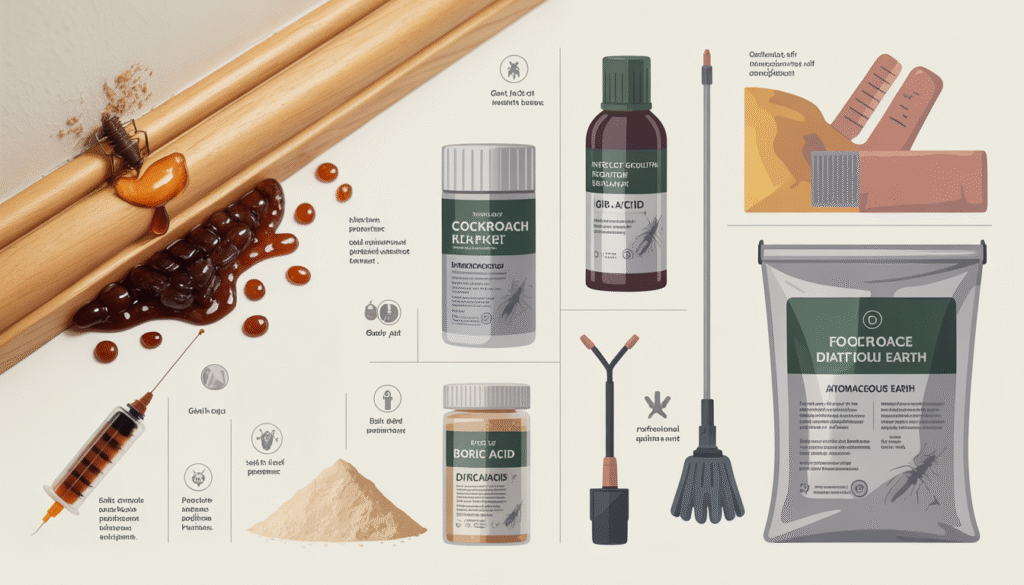
Many homeowners prefer starting with natural solutions before moving to chemical options. Diatomaceous earth is a fossilized algae powder that damages the exoskeleton of insects, causing dehydration and death.
Sprinkle food-grade diatomaceous earth in areas where you’ve seen juvenile roaches. Focus on dry locations since moisture reduces its effectiveness. Reapply after cleaning or if it gets wet.
Essential oils like peppermint, eucalyptus and tea tree can act as repellents. Mix 10 drops of oil with water in a spray bottle and apply to areas where roaches travel. While this won’t kill them, it may encourage them to relocate.
A mixture of baking soda and sugar can serve as a homemade bait. The sugar attracts them while the baking soda reacts with acids in their digestive system. Place small amounts in shallow dishes near activity areas.
Maintaining extreme cleanliness is the most important natural method. Without access to food and water, young roaches cannot survive long enough to reach adulthood and reproduce.
Getting Rid of Baby Roaches in Your Apartment
Apartment living presents unique challenges since roaches can travel between units through shared walls and plumbing. Notify your landlord or property management immediately about the problem, as they’re responsible for pest control in most rental agreements.
Coordinate with neighbors if possible, because treating only your unit may provide temporary relief while roaches continue breeding next door. Building-wide treatment is often necessary for lasting results.
Use door sweeps and seal gaps around pipes where they enter your unit. These physical barriers help prevent roaches from moving between apartments through common access points.
Apply gel bait and dust treatments in your unit while maintaining cleanliness. Focus especially on kitchen and bathroom areas where moisture and food are present.
Consider using sticky traps to monitor activity levels and identify the worst-affected areas. Place traps along walls, under sinks and behind appliances where roaches typically travel.
Professional Treatment vs DIY Solutions
Sometimes cockroach nymph treatment at home isn’t enough to solve the problem completely. Severe infestations, recurring problems or situations where you’ve tried multiple approaches without success may require professional intervention.
Pest control professionals have access to stronger formulations and application methods not available to consumers. They can also identify and treat hidden harborage areas that you might miss.
Professional treatments typically include inspection, identification of the species, targeted pesticide application and follow-up visits. The cost varies but often ranges from a few hundred dollars for initial treatment.
DIY solutions work well for minor problems caught early. They’re more affordable and allow you to control what chemicals are used in your home. However, they require consistency and patience to achieve results.
The best approach often combines both: start with thorough DIY efforts and call professionals if you don’t see improvement within a few weeks.
Preventing Future Infestations
After successfully implementing cockroach nymph treatment at home, prevention becomes your main focus. Regular cleaning schedules that address food debris, grease and moisture are essential.
Fix water leaks promptly and reduce humidity using fans or dehumidifiers. Roaches cannot survive more than a few days without water, making moisture control highly effective.
Inspect items before bringing them inside, including grocery bags, boxes and second-hand furniture. Roaches and their egg cases often hitchhike into homes this way.
Maintain sealed entry points and repair screens, door sweeps and weather stripping. Creating a physical barrier makes it much harder for roaches to enter.
Continue monitoring with sticky traps even after you stop seeing roaches. This helps you catch any new activity before it becomes a major problem again.
Understanding German Cockroach Nymph Behavior in House
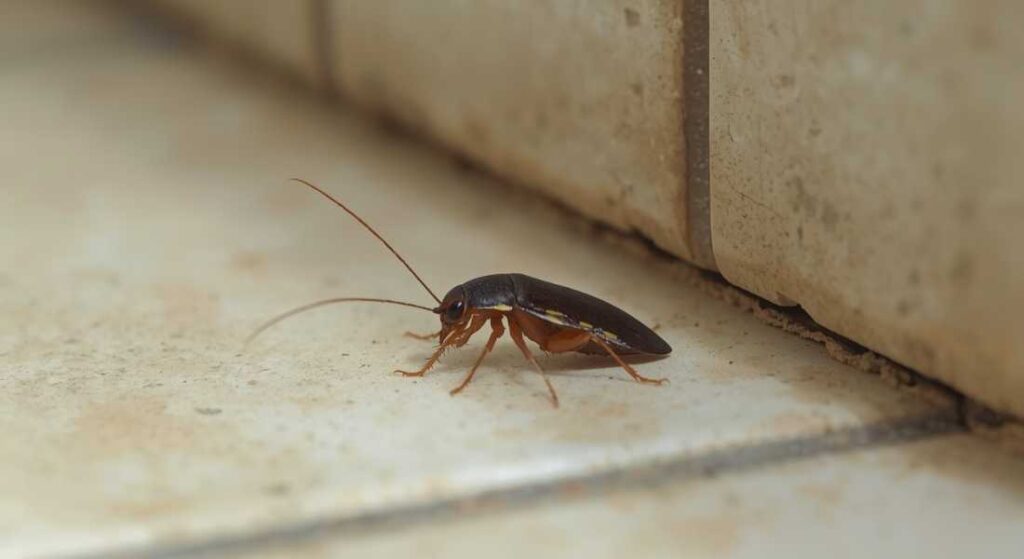
German cockroaches are the most common indoor species and their nymphs are particularly challenging. They reproduce faster than other species, with females producing up to 40 eggs per case and multiple cases during their lifetime.
These nymphs develop through several molts over the course of weeks to months, depending on conditions. Each stage looks slightly different in size and coloration.
They prefer warm, humid areas close to food sources. Kitchens and bathrooms are their favorite locations, but they’ll infest any room that provides necessary resources.
German cockroach populations can explode quickly because of their rapid reproduction. A few nymphs can turn into hundreds of roaches within just a couple of months if left untreated.
Long-Term Monitoring and Maintenance
Successful treatment doesn’t end when you stop seeing roaches. Continue monitoring for at least three months after your last sighting to ensure the population has been eliminated.
Maintain the cleaning and sanitation habits you developed during treatment. These practices should become permanent parts of your household routine.
Keep bait stations or diatomaceous earth in place as a preventive measure. Refresh these treatments every few months to maintain protection.
Stay alert for signs of new activity, including droppings, egg cases or that distinctive musty odor associated with large populations.
Document your efforts with photos and dates. This record helps you track what works and provides valuable information if you need professional help later.
Frequently Asked Questions
How to get rid of cockroach nymphs in house?
Getting rid of juvenile roaches requires a combination of cleanliness, bait application and moisture control. Start by deep cleaning all areas where you’ve seen activity, then apply gel bait in corners and along baseboards.
Use boric acid powder or diatomaceous earth in dry areas behind appliances. Seal cracks and fix water leaks to eliminate what attracts them. Effective cockroach nymph treatment at home requires consistency over several weeks to interrupt the breeding cycle completely.
How to get rid of little cockroaches in the house?
Small roaches respond well to targeted bait applications combined with sanitation improvements. Place gel bait where you see them traveling, typically along walls and near water sources.
Remove all food and water access by storing items in sealed containers and fixing leaks. Use sticky traps to monitor population levels and identify high-activity areas. Apply insecticidal dust in wall voids and other hidden spaces where they hide during the day.
Why am I only seeing roach nymphs?
Seeing only young roaches typically means adults are successfully hiding in areas you don’t regularly observe. Adult roaches are much better at avoiding detection and stay hidden in wall voids, behind appliances and inside cabinets.
The juveniles are less experienced and often come out during the day while searching for food. The presence of nymphs always indicates breeding adults are nearby, even if you haven’t spotted them yet. Increase your inspection efforts in hidden areas to locate the source.
Why are there baby roaches in my bathroom at night?
Bathrooms attract young roaches because they provide constant moisture from pipes, sinks and showers. These insects need water to survive and are drawn to humid environments.
Nighttime is when they feel safest to emerge from hiding spots to search for water and food. Hair, soap scum and organic matter in drains provide nutrition.
The darkness and quiet give them confidence to move around more openly. Address moisture issues and seal entry points around plumbing to reduce their presence.
Can baby roaches infest a clean home?
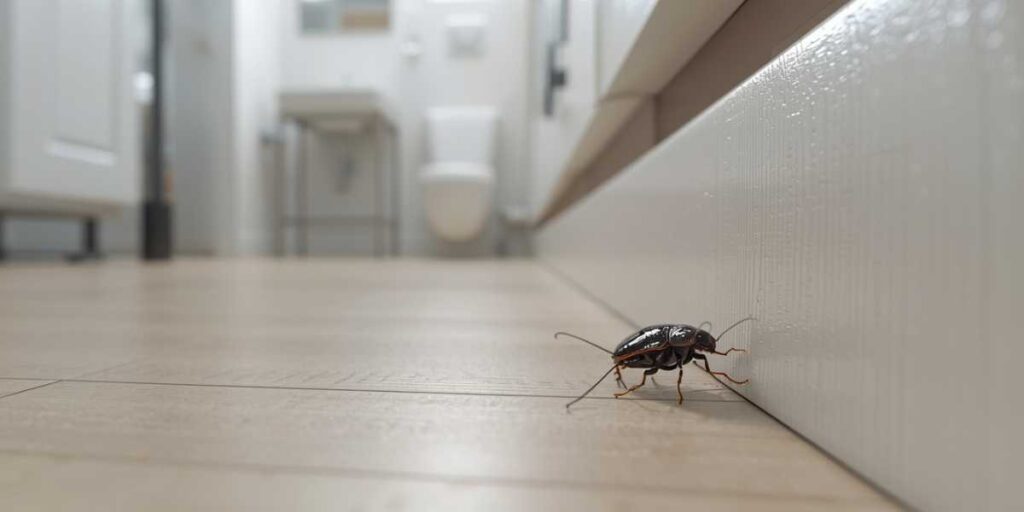
Young roaches can appear even in clean homes if conditions are right. They may enter through gaps, drains or by hitchhiking on items brought inside.
While cleanliness greatly reduces attraction, even small amounts of moisture or food residue can sustain them. Clean homes still have access points, plumbing and warm areas that roaches need.
However, maintaining cleanliness makes cockroach nymph treatment at home much more effective and prevents populations from establishing.
How long does it take to eliminate baby roaches?
Eliminating juvenile roaches typically takes two to four weeks with consistent treatment. You should see reduced activity within the first week if methods are working properly.
Complete elimination requires interrupting the breeding cycle and killing adults as well. Continue treatment for at least three weeks after seeing the last roach to ensure all stages have been addressed. Severe infestations may require six to eight weeks of sustained effort or professional intervention.
Are baby roaches a sign of a big infestation?
The presence of nymphs indicates active breeding and suggests a growing population. While it doesn’t always mean a massive infestation, it signals that adults have established themselves and are reproducing.
Each egg case produces dozens of juveniles, so even a small number of adults can create many young roaches quickly.
Early detection when you first notice nymphs gives you the best chance of preventing a serious problem through immediate cockroach nymph treatment at home.
What kills baby roaches instantly?
Contact sprays containing pyrethroid insecticides kill juvenile roaches on contact. However, these only affect the insects you spray directly and don’t address the hidden population.
Boric acid powder and diatomaceous earth kill within hours to days after contact. Gel baits kill over several days but are more effective because roaches share the toxin with others.
For immediate knockdown, direct spray works, but long-term control requires baits and dust applications that reach hidden roaches you never see.
Conclusion
Taking action against young cockroaches as soon as you spot them gives you the best chance of preventing a serious infestation. The combination of thorough cleaning, strategic bait placement and moisture control forms the foundation of successful treatment.
Remember that patience and consistency are key. Most infestations require several weeks of sustained effort to eliminate completely. Don’t get discouraged if you still see occasional activity during the first two weeks of treatment.
By following the methods outlined in this guide and maintaining good sanitation practices, you can reclaim your home from these unwanted pests. Stay vigilant even after the problem seems resolved, as prevention is always easier than elimination.