

Introduction
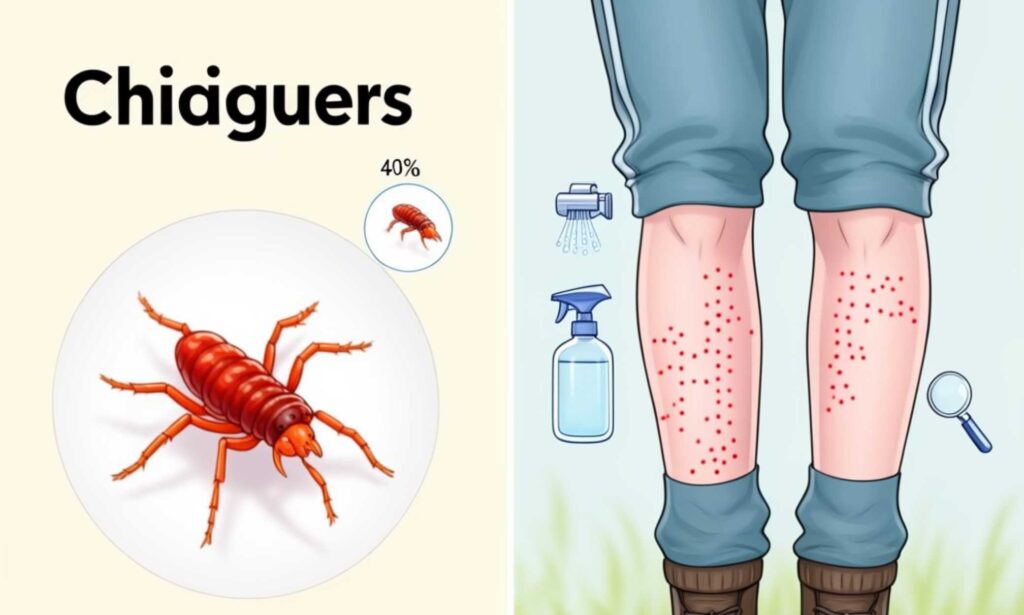
Chigger are tiny red mites that can cause incredibly itchy bites during warm months. These microscopic pests are often confused with other insects, but understanding what they are and how they behave is essential for avoiding uncomfortable encounters.
If you’ve ever experienced mysterious red bumps that itch intensely after spending time outdoors, you may have been bitten by these nearly invisible creatures. This guide will help you identify them, understand their behavior, recognize their bites and learn effective treatment and prevention methods.
What Are Chigger?
Chigger are the larval stage of tiny mites belonging to the Trombiculidae family. Unlike ticks that burrow into skin, these larvae attach to your skin surface and feed on skin cells.
Many people wonder how big is a chigger. At less than 1/150th of an inch, they’re almost impossible to see with the naked eye. Their red or orange color sometimes makes them visible as tiny dots on skin or clothing.
The chigger bug primarily lives in grassy, wooded areas and damp environments. They wait on vegetation for a host to pass by, then climb onto skin to feed.
Understanding the Chigger Life Cycle
The chigger life cycle consists of four stages: egg, larva, nymph and adult. Only the larval stage feeds on humans and animals.
Adult mites lay eggs in soil during spring. These eggs hatch into six-legged larvae, which are the biting stage we know as chiggers. After feeding for several days, they drop off and develop into eight-legged nymphs and eventually adults.
This cycle typically takes two to three months to complete. Understanding this helps explain why these pests are seasonal and most active during warm, humid months.
Where Are Chiggers Found?
These pests thrive in warm, humid environments across many regions. In the United States, they’re most common in the Southeast, Midwest and South-Central states.
You’ll typically encounter them in tall grass, weeds, berry patches, wooded areas and along the edges of gardens. They prefer areas with plenty of moisture and shade.
One common question is whether chiggers are in spanish moss. While spanish moss and chiggers can coexist in the same humid environments, the moss itself doesn’t harbor them more than other vegetation. The connection between spanish moss chiggers is largely a myth, though both thrive in similar climates.
Identifying Chigger Bites
What Do Chigger Bites Look Like?
Chigger bites appear as small, red, intensely itchy bumps. They often occur in clusters or lines where clothing was tight against skin, such as around ankles, waistbands, or underarms.
The bites typically develop within a few hours of exposure and can form a raised red welt with a bright red dot in the center. Pictures of chiggers bites show these characteristic patterns.
Can You See Chigger?
While the actual size chiggers in bed or on skin makes them nearly invisible, you might spot them as tiny red or orange specks. They’re much smaller than ticks and require close inspection or magnification to see clearly.
The chiggers rash that develops is much more visible than the creatures themselves. This rash consists of multiple bite marks that can spread across affected areas.
Chigger Bites vs Other Insect Bites
Chigger vs Bed Bug Bites
Understanding the difference between bed bug vs chigger bites helps with proper treatment. Bed bugs vs chiggers have distinct patterns.
Bed bug bites often appear in a line or cluster on exposed skin during sleep. Chiggers vs bed bugs bites differ because chigger bite locations are typically where clothing was tight, while bed bugs bite exposed areas.
The timing also differs. A chigger bite vs bed bug bite shows that chiggers cause itching within hours, while bed bug reactions may take days to appear.
Tick or Chigger?
Many people confuse these pests when comparing chigger vs tick bites. Ticks or chiggers can both be found outdoors, but their behavior differs significantly.
Chiggers vs ticks show important distinctions. Ticks burrow their heads into skin and remain attached, while chiggers stay on the surface. When comparing tick or chigger appearance, ticks are much larger and visible.
Seed ticks vs chiggers can be particularly confusing since both are tiny. However, seed ticks have eight legs and a hard body, while chigger larvae have six legs and soft bodies.
Are Chiggers Harmful to Humans?
These pests are primarily a nuisance rather than a serious health threat in most regions. They don’t transmit diseases in North America, though in some parts of Asia they can carry scrub typhus.
The main harm comes from intense itching that can last one to two weeks. Scratching can lead to secondary bacterial infections, which is the most common complication.
Unlike some myths suggest, chiggers don’t burrow under your skin or lay chigger eggs in skin. They attach to the surface, inject digestive enzymes and feed on dissolved skin cells before dropping off.
How Long Do Chiggers Stay in You?
This is one of the most common concerns people have after exposure. The larvae typically feed for three to four days before naturally detaching from your skin.
However, the itching and visible bumps can persist for up to two weeks after they’ve left. Many people mistakenly think chiggers in skin remain longer because the symptoms continue.
The good news is that once you’ve showered and washed your clothes, you’ve likely removed any remaining larvae. The continued itching is your body’s reaction to their saliva, not ongoing feeding.
How Do You Tell If You Have Chiggers?
Several signs indicate you’ve encountered these pests. The most obvious is intense itching that begins several hours after outdoor activity.
Look for red bumps in areas where clothing was tight or where you spent time in vegetation. The chiggers on skin pattern typically shows bites around ankles, behind knees, around the waist or in armpits.
You might also notice tiny red or orange specks on your skin or clothing immediately after being outdoors. This is the best time to remove them before they attach and begin feeding.
Chigger Bites Treatment
Immediate Steps
As soon as you suspect exposure, take a hot shower with soap. This removes any larvae that haven’t attached yet and helps kill those that have.
Wash all clothing in hot water to eliminate any remaining pests. Don’t forget to clean shoes and outdoor gear that may harbor them.
What Kills Chiggers Immediately?
Hot water and soap are your first line of defense. For bites that have already formed, several treatments provide relief.
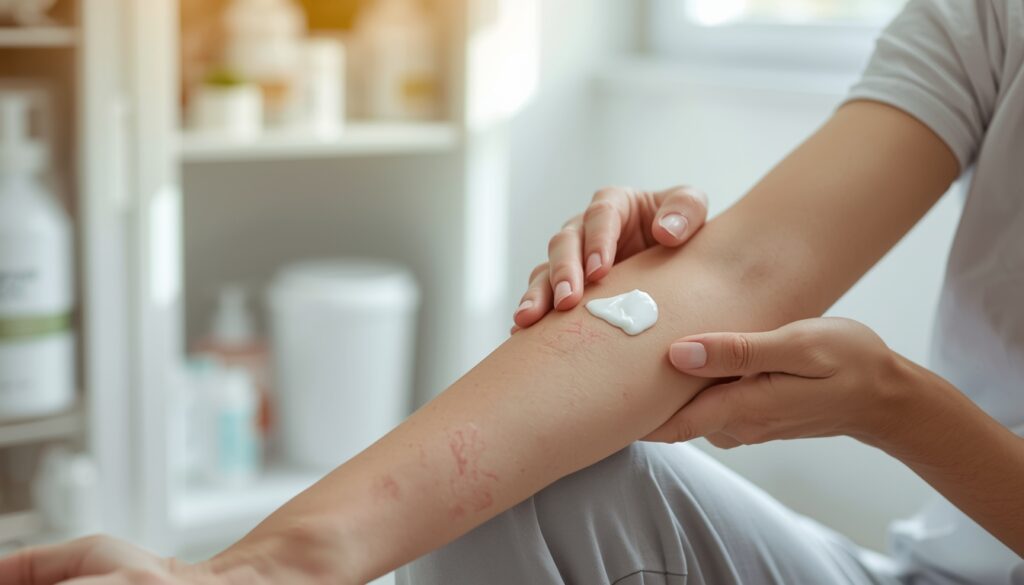
Anti-itch creams containing hydrocortisone reduce inflammation and itching. Over-the-counter antihistamines also help manage the allergic response causing discomfort.
Calamine lotion soothes affected skin and provides a protective barrier. Some people find relief with cold compresses applied to itchy areas.
How to Treat Chigger Bites Effectively
Treating chigger bites focuses on symptom relief since the larvae usually detach on their own. Keep the affected area clean to prevent infection.
Avoid scratching, which can break the skin and introduce bacteria. Trim fingernails short if the urge to scratch is overwhelming.
For severe reactions, consult a healthcare provider. They may prescribe stronger topical steroids or oral antihistamines for chiggers treatment.
How to Get Rid of Chigger Bites Fast
While you can’t make bites disappear instantly, you can speed healing and reduce discomfort. Apply ice packs for 10-15 minutes several times daily to reduce swelling.
Take oral antihistamines like diphenhydramine to control itching from the inside. Use topical anti-itch products as directed on packaging.
Keep the area moisturized with gentle, fragrance-free lotions. This prevents dryness that can increase itching.
How to Get Rid of Chiggers
Personal Protection
Preventing bites is easier than treating them. When in areas where do chiggers live, wear long pants tucked into socks and long-sleeved shirts.
Apply insect repellent containing DEET to skin and clothing before outdoor activities. Permethrin spray on clothing provides longer-lasting protection.
Stay on cleared paths and avoid sitting directly on the ground in grassy or wooded areas. Use a blanket or chair when outdoors in potentially infested areas.
Environmental Control
To get rid of chiggers in your yard, keep grass mowed short and remove brush piles. These pests prefer overgrown vegetation.
Create a barrier of wood chips or gravel between lawns and wooded areas. This dry zone discourages them from moving into recreational spaces.
For severe infestations, consider professional pest control treatments for your yard. Sulfur-based products can be effective when applied to problem areas.
Dealing with Chiggers in Bed
If you’re concerned about actual size chiggers in bed, know that they don’t typically infest bedding like bed bugs do. They don’t reproduce indoors or survive long without outdoor conditions.
Wash bedding in hot water if you suspect you brought them inside on your body or clothing. Vacuum thoroughly and maintain clean sleeping areas.
The distinction between chiggers or bed bugs is important. If bites continue nightly, you’re likely dealing with bed bugs, which require different treatment approaches.
Common Myths About Chiggers
One persistent myth involves chiggers in spanish moss. While both thrive in humid southern environments, spanish moss doesn’t specifically harbor these pests more than other plants.
Another misconception is that nail polish suffocates chigger larvae in skin. In reality, they’re already on the surface and typically detach within days regardless of treatment.
The idea that red bugs bites come from insects burrowing deep into skin is false. Chiggers remain on the surface throughout their feeding period.
When to See a Doctor
Most bites heal without medical intervention. However, seek professional help if you develop signs of infection such as increasing redness, warmth, swelling or pus.
If itching is severe enough to interfere with sleep or daily activities despite over-the-counter treatments, a doctor can provide stronger medications.
People with compromised immune systems or those who develop fever after bites should consult healthcare providers promptly.
FAQs
Are chiggers harmful to humans?
These pests are not seriously harmful to most people in North America. They cause intense itching and discomfort but don’t transmit diseases in this region. The main risk is secondary infection from scratching, which can be prevented with proper care and avoiding the urge to scratch bites.
What kills chiggers immediately?
Hot soapy water kills them on contact. Taking a hot shower immediately after outdoor exposure removes and kills larvae before they attach. For treating your environment, sulfur-based insecticides are effective. On skin, washing thoroughly with soap is the most immediate and effective method to eliminate them.
How do you tell if you have chiggers?
Look for intensely itchy red bumps that appear several hours after outdoor activity, especially in areas where clothing was tight. The bites often form clusters or lines around ankles, waistbands and other constricted areas. You might also notice tiny red dots on skin or clothing immediately after being outside.
How long do chiggers stay in you?
The larvae feed for approximately three to four days before naturally dropping off your body. However, the itching and visible bumps can persist for one to two weeks after they detach. The continued symptoms are your body’s reaction to their saliva, not evidence that they’re still present.
What’s the difference between chigger bites and bed bug bites?
Chigger bite locations are typically where clothing was tight against skin, while bed bug bites appear on exposed areas during sleep. Chiggers cause itching within hours, whereas bed bug reactions may take days. Additionally, bed bugs leave bites year-round indoors, while outdoor exposure causes chigger encounters during warm months.
Can chiggers live in your bed?
No, they cannot establish populations in beds like bed bugs do. They require outdoor conditions to complete their life cycle and don’t reproduce indoors. If you brought them inside on clothing or skin, they’ll die within a few days without suitable conditions. Washing bedding and showering removes any that may have transferred indoors.
Conclusion
Understanding these tiny pests helps you protect yourself during outdoor activities and treat bites effectively when they occur. While the intense itching can be miserable, remember that symptoms are temporary and proper care prevents complications.
Take preventive measures seriously when spending time in areas where these larvae thrive. Wear protective clothing, use repellents and shower promptly after outdoor exposure.
If bites do occur, focus on relieving symptoms and avoiding scratching to prevent infection. Most cases resolve completely within two weeks with basic home care. Stay informed, stay protected and enjoy your time outdoors with confidence.