
Introduction
can baby cockroaches bite ? Finding tiny cockroaches crawling in your home can be alarming, especially when you wonder if they can harm you. Many people notice these small, fast-moving insects and worry about the possibility of being bitten.
Understanding their habits is essential for keeping your home clean and safe. This article explains everything about whether baby cockroaches bite, how they behave, and what you can do to control them.
Baby cockroaches, also called nymphs, are smaller versions of adult roaches. They develop through several stages before becoming adults.
Their behavior, diet, and habitat preferences differ slightly from mature cockroaches, and learning about these details helps homeowners take effective action against infestations.
Understanding Baby Cockroaches
Baby cockroaches are not a separate species but a developmental stage in the cockroach life cycle. Once hatched from eggs, these young roaches emerge as white or light brown nymphs that darken as they grow.
They shed their skin multiple times before becoming adults. Despite their small size, they can still cause distress and contamination in homes.
What Do Baby Cockroaches Look Like
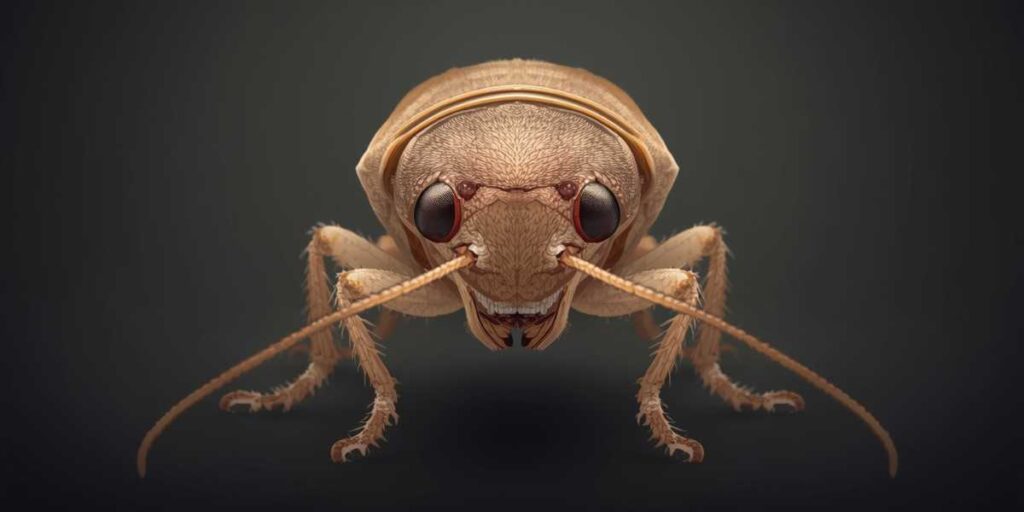
Newly hatched cockroaches are tiny, often measuring only a few millimeters. Their bodies are soft and pale but turn darker as they mature. Unlike adults, nymphs lack wings and appear more compact.
Depending on the species, they may vary slightly in color and shape. Observing their appearance closely can help identify an early infestation before it grows.
Where Baby Cockroaches Hide
Baby cockroaches prefer dark, moist places that provide easy access to food. Kitchens, bathrooms, and basements are their most common hiding spots. They squeeze into cracks, behind appliances, or inside cabinets.
Because they are smaller than adults, they can fit into tighter spaces that are often overlooked during cleaning.
How They Survive and Grow
These nymphs feed on crumbs, grease, and organic waste. They thrive in cluttered and damp areas, making sanitation vital for prevention. Their rapid growth depends on temperature and food availability.
In favorable conditions, they can become adults in just a few weeks, which means small infestations can expand quickly if not addressed.
Do Baby Cockroaches Bite
One of the most common concerns among homeowners is whether baby cockroaches bite. The simple answer is that baby cockroaches rarely bite humans. They do not seek out people for food. Instead, they prefer decaying matter, food residue, and organic waste.
However, in extremely severe infestations, both baby and adult cockroaches may nibble on dead skin or fingernails if food sources are completely unavailable.
Why People Think Baby Cockroaches Bite
The misconception arises because their presence often coincides with skin irritations or allergic reactions. These symptoms are usually caused by contact with their droppings or shed skin rather than actual bites.
Their saliva and waste contain allergens that may cause itching or rashes, particularly in sensitive individuals.
How to Recognize a Real Bite
If a cockroach does bite, it typically leaves a small, red mark similar to a mosquito bite. These incidents are rare and occur only under extreme conditions. More often, what people mistake for bites are allergic reactions.
Keeping track of when and where these marks appear can help determine the real cause.
Health Concerns Related to Baby Cockroaches
Even though they seldom bite, baby cockroaches can pose significant health risks. They spread bacteria by contaminating surfaces and food. Their droppings and body parts may trigger asthma or allergies, especially in children and older adults. This makes prompt cleaning and pest control measures essential for maintaining a healthy environment.
Why Baby Cockroaches Are a Problem in Homes
The main problem with baby cockroaches lies not in their biting but in their rapid reproduction and contamination potential. Their ability to multiply quickly means that a few unnoticed nymphs can become a serious infestation.
How Baby Cockroaches Enter Homes
They often enter through drains, pipes, or cracks in walls. Grocery bags, cardboard boxes, and secondhand appliances can also carry eggs or nymphs indoors. Once inside, they settle near water and food sources, making kitchens an ideal environment.
Signs of a Baby Cockroach Infestation
Small droppings resembling coffee grounds, egg cases, or a musty odor indicate an infestation.
Spotting even one or two nymphs during the day is a warning sign, as they usually prefer the dark. Frequent sightings suggest a growing population that needs immediate attention.
What Attracts Baby Cockroaches
Food residue, unwashed dishes, garbage, and moisture attract these pests. Pet food left overnight can also serve as a feeding ground. Reducing these attractants is the first step toward preventing an infestation.
How to Get Rid of Baby Cockroaches Naturally
Natural control methods can be highly effective when applied consistently. They focus on cleaning, sealing entry points, and eliminating hiding spots.
Clean and Declutter Regularly
Keeping surfaces clean and free of crumbs denies baby cockroaches access to food. Wiping counters, sweeping floors, and emptying trash frequently reduce their chances of survival. Pay extra attention to hidden areas behind the refrigerator or under the sink.
Fix Moisture Problems
Leaky pipes or damp corners create perfect breeding conditions. Repairing leaks and improving ventilation keeps these areas dry. Using a dehumidifier can help control humidity in basements and bathrooms.
Seal Entry Points
Cockroaches enter through small openings in walls and around drains. Sealing these cracks with caulk prevents them from spreading. Inspect door frames, windows, and baseboards regularly.
Use Safe Repellents
Some natural ingredients like baking soda, vinegar, and boric acid can discourage cockroaches. Placing small amounts in problem areas disrupts their breeding cycle. Essential oils such as peppermint and eucalyptus are also known to repel insects.
Professional Solutions for Baby Cockroach Infestations
When natural methods fail, professional pest control services provide targeted treatments. Experts identify hiding spots and apply specialized insecticides that eliminate nymphs and adults alike.
When to Call a Pest Control Expert
If sightings continue after regular cleaning or if the infestation spreads, professional intervention becomes necessary.
Pest experts use safe, approved chemicals and ensure thorough coverage without harming residents or pets.
What to Expect During Treatment
A technician will inspect your home to determine the severity of the problem. They apply sprays or gels in cracks, drains, and other entry points. Follow-up visits may be scheduled to ensure complete eradication.
Post-Treatment Care
After treatment, maintaining cleanliness is crucial to prevent reinfestation. Avoid leaving open food containers, repair leaks, and continue regular inspections. Consistency is key to keeping your home free from baby cockroaches.
Preventing Future Infestations
Once your home is clear, preventive habits will keep it that way. Prevention relies on maintaining a clean and dry environment.
Proper Food Storage
Store food in sealed containers and avoid leaving crumbs or spills unattended. This step cuts off their food supply completely.
Regular Inspections
Checking hidden areas like cabinets and drains every few weeks helps detect early signs. The sooner an infestation is caught, the easier it is to control.
Waste Management
Dispose of garbage daily and keep bins covered. Clean bins with soap and water regularly to remove odors that attract roaches.
FAQs About Baby Cockroaches
Do baby cockroaches bite humans?
Baby cockroaches rarely bite humans. They do not feed on blood or skin but instead prefer food scraps and organic material. Bites are extremely uncommon and happen only in cases of severe infestations with no other food available.
Can baby cockroaches make you sick
Yes, they can spread bacteria and allergens through their droppings and saliva. These can trigger respiratory issues like asthma or cause food poisoning if they contaminate food surfaces. Maintaining hygiene minimizes this risk.
How long do baby cockroaches live?
A baby cockroach can take several weeks to months to mature depending on the species and environment. They shed their skin multiple times before reaching adulthood and reproducing.
Where do baby cockroaches come from?
?They hatch from eggs laid by adult female cockroaches. The eggs are stored in protective cases called oothecae, which may be hidden behind furniture, appliances, or inside wall cracks.
Why are baby cockroaches in my bathroom?
Bathrooms offer moisture and warmth, two essential conditions for roaches. They may enter through drains or plumbing gaps in search of water or organic residue.
Can I get rid of baby cockroaches without chemicals?
Yes, through regular cleaning, sealing cracks, and using natural deterrents like baking soda or essential oils. Consistency is essential for success.
Are baby cockroaches more active at night?
Yes, they usually come out after dark when it is quiet. Nighttime activity helps them avoid detection and increases their chances of finding food.
Conclusion
Baby cockroaches may not bite, but they pose real health and hygiene risks through contamination and rapid reproduction. Their presence indicates that adult roaches are nearby, which can quickly lead to an infestation. Understanding their behavior helps you identify and address the problem early.
To keep your home safe, maintain regular cleaning routines, fix leaks, and store food securely. If the problem persists, professional pest control can ensure complete elimination. Take immediate action today to protect your home and health from these unwanted invaders.