

Introduction
Bugs that look like cockroach nymphs are among the most commonly misidentified household pests.
When you spot a small brownish insect scurrying across your kitchen floor your first instinct might be to panic and assume the worst. However not every tiny bug in your home is a baby cockroach.
Understanding the difference between actual cockroach nymphs and their lookalikes can save you from unnecessary stress and costly pest control treatments.
This comprehensive guide will help you identify these similar-looking insects and take appropriate action to protect your home.
What Do Cockroach Nymphs Actually Look Like
Before identifying lookalikes you need to know what real cockroach nymphs look like. Baby cockroaches emerge from egg cases as miniature versions of adults but without fully developed wings.
Young German cockroach nymphs appear tan to dark brown with a distinctive stripe pattern on their backs.
They measure between 3mm to 6mm in length during early developmental stages. Their bodies are oval-shaped and relatively flat which allows them to squeeze into tight spaces.
As nymphs mature through several molting stages they gradually darken in color. Their antennae remain long and thin throughout development. The absence of wings is the most obvious difference between nymphs and adult cockroaches.
Common Bugs That Resemble Cockroach Nymphs
Carpet Beetle Larvae
Carpet beetle larvae are frequently mistaken for baby roaches due to their small size and brownish coloration. These fuzzy insects measure between 4mm to 5mm long and have a distinctly hairy or bristly appearance.
Unlike smooth-bodied cockroach nymphs carpet beetle larvae are covered in tiny hairs that give them a striped or banded look.
They prefer feeding on natural fibers like wool and cotton rather than food scraps. These pests typically infest closets and storage areas rather than kitchens.
Bed Bugs
Bed bugs share a similar reddish-brown color and size range with cockroach nymphs. Adult bed bugs measure about 5mm to 7mm long which overlaps with the size of young roaches.
However bed bugs have a distinctly oval and flattened body shape when unfed. After feeding they become engorged and more rounded.
Unlike cockroach nymphs that run quickly bed bugs move slowly and deliberately. Their preferred habitat near sleeping areas also differs from typical roach hideouts.
Ground Beetles
Small ground beetles can cause confusion when found indoors. These beetles typically measure 5mm to 15mm depending on species and display dark brown to black coloration.
The key difference lies in their hard wing covers called elytra that create a distinct line down their backs.
Cockroach nymphs lack this feature and have softer more flexible bodies. Ground beetles are generally beneficial insects that accidentally wander inside rather than true household pests.
Booklice
Booklice or psocids are tiny insects that often get confused with very young cockroach nymphs. These pale brown to whitish bugs measure only 1mm to 2mm in length making them smaller than most roach nymphs.
These moisture-loving insects thrive in humid environments and feed on mold and fungi.
Their extremely small size and preference for paper products or damp areas help distinguish them from cockroaches. Booklice cannot survive in dry conditions unlike hardy cockroach species.
Wood Cockroach Nymphs
Wood cockroaches are outdoor species occasionally found indoors and their nymphs closely resemble German cockroach babies. These insects prefer living in woodpiles and under tree bark rather than inside homes.
Wood cockroach nymphs appear lighter in color than their German counterparts and show less interest in human food.
They rarely establish indoor populations and usually die within days of entering buildings. Finding one or two wood cockroach nymphs does not indicate an infestation.
Cockroaches in Pakistan: Common Species
Pakistan hosts several cockroach species that concern homeowners. The German cockroach remains the most problematic indoor pest throughout urban areas including Lahore Karachi and Islamabad.
American cockroaches also known as palmetto bugs thrive in warmer regions and sewer systems. These large reddish-brown insects occasionally enter homes through drains. Oriental cockroaches prefer cool damp basements and ground-level spaces.
The hot climate in many Pakistani cities creates ideal conditions for cockroach reproduction. Understanding which species inhabit your region helps with proper identification and targeted control methods.
Key Differences Between Real Nymphs and Lookalikes
Body Shape and Texture
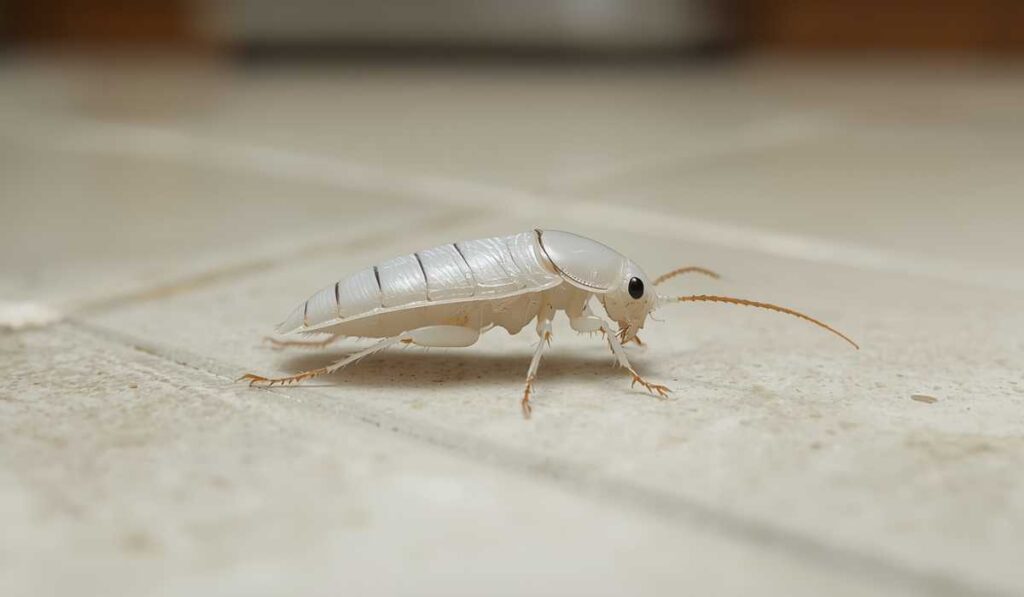
True cockroach nymphs have smooth shiny bodies with a distinctly flattened oval shape. They appear almost translucent immediately after molting before their exoskeleton hardens and darkens.
Lookalike insects often display different textures such as the fuzzy appearance of carpet beetle larvae or the segmented bodies of beetle species. Running your identification through multiple physical characteristics increases accuracy.
Movement Patterns
Cockroach nymphs move with surprising speed and agility. They dart quickly when exposed to light and can change direction rapidly. This erratic escape behavior is a defensive mechanism.
Many lookalike bugs move more slowly or follow predictable patterns. Bed bugs crawl deliberately while booklice barely move noticeable distances. Observing movement behavior provides valuable identification clues.
Habitat Preferences
Baby cockroaches stay near food water and harborage areas. Kitchen cabinets bathroom spaces and areas with plumbing leaks attract them consistently.
Other insects have different habitat preferences that reflect their dietary needs. Carpet beetles infest fabric storage areas while ground beetles prefer outdoor entry points. Location context matters significantly for accurate identification.
Why You Might Only See Nymphs
Discovering only cockroach nymphs without adult specimens raises important questions. Several scenarios explain this pattern and none of them are particularly reassuring.
Early-stage infestations often reveal nymphs first because they are more active during daytime hours when adults remain hidden. Young roaches also make more mistakes when seeking food and water exposing themselves more frequently.
Adult cockroaches are masters of concealment and rarely venture into open spaces. They remain hidden in wall voids behind appliances and inside cabinets during daylight hours.
The presence of nymphs strongly suggests breeding adults exist nearby even if you cannot see them yet.
Understanding Cockroach Biology and Development
The Nymph Development Cycle

Cockroach nymphs undergo incomplete metamorphosis passing through multiple molting stages called instars. German cockroaches complete 6 to 7 instars over approximately 6 to 8 weeks depending on temperature and food availability.
Each molting event produces a slightly larger nymph with darker coloration. The entire population does not develop synchronously which explains why you might see different sized nymphs simultaneously.
Understanding this development timeline helps predict infestation growth. A single egg case contains 30 to 40 eggs meaning populations expand rapidly under favorable conditions.
Cockroach Histology and Identification
Cockroach insect histology involves studying their internal and external anatomy for precise species identification. Professional entomologists examine specific features like pronotum patterns and cerci length.
For homeowners basic external characteristics provide sufficient identification accuracy. Focus on size color antenna length and marking patterns rather than microscopic details.
Learning these visible identification features empowers you to distinguish between species and make informed pest management decisions without requiring laboratory analysis.
Religious and Cultural Considerations
Cockroach Haram Status
Islamic dietary laws classify insects differently based on their characteristics and behavior. Cockroaches fall under the category of prohibited creatures due to their filthy habits and disease-carrying potential.
The consensus among Islamic scholars considers cockroaches haram meaning their consumption is strictly forbidden. This classification extends to all cockroach species regardless of size or developmental stage.
Beyond dietary restrictions Islam encourages maintaining cleanliness and removing harmful pests from living spaces. Taking action against cockroach infestations aligns with religious teachings about hygiene and health protection.
How to Confirm a Cockroach Infestation
Visual Evidence
Finding multiple nymphs over consecutive days strongly indicates an established breeding population. Single isolated sightings might represent accidental intruders but repeated encounters suggest reproduction occurring nearby.
Look for egg cases called oothecae in hidden areas. These dark brown capsules measure about 8mm long and contain numerous eggs. Discovering oothecae confirms cockroach activity definitively.
Check for fecal spots that appear as small dark smears or cylindrical droppings. These accumulate in areas where cockroaches regularly travel and feed.
Professional Inspection
When identification remains uncertain professional pest control technicians provide definitive answers. They recognize subtle differences between species and can assess infestation severity accurately.
Professionals use monitoring devices like sticky traps to capture specimens for examination. They also inspect areas homeowners typically cannot access such as wall voids and subfloor spaces.
Early professional intervention prevents minor problems from becoming major infestations. The modest cost of inspection often saves thousands in future remediation expenses.
Effective Prevention and Control Strategies
Sanitation Measures
Eliminating food and water sources represents the foundation of cockroach prevention. Store all food in sealed containers and never leave dirty dishes overnight.
Fix plumbing leaks promptly since cockroaches require water daily for survival. Wipe up spills immediately and keep countertops clear of crumbs.
Regular vacuuming removes food particles and potential cockroach eggs before they hatch. Deep cleaning behind appliances and inside cabinets disrupts existing populations.
Exclusion Techniques
Seal cracks and crevices around baseboards pipes and entry points. Cockroaches exploit incredibly small gaps to access indoor spaces.
Install door sweeps on exterior doors and repair damaged window screens. These physical barriers prevent outdoor species from wandering inside.
Reduce clutter that provides hiding places. Cardboard boxes and stacked papers create ideal harborage areas that cockroaches prefer.
Targeted Treatments
Gel baits work effectively against German cockroaches when applied in small dots near harborage areas. Active ingredients kill roaches that consume the bait and secondary poisoning affects colony members.
Insect growth regulators disrupt nymph development preventing them from reaching reproductive maturity. These products offer long-term population suppression without relying solely on contact kills.
Dust formulations applied in wall voids and electrical outlets provide lasting protection. These products remain effective for months when kept dry.
When to Take Immediate Action
Certain situations demand urgent pest control intervention. Discovering bugs that look like cockroach nymphs in large numbers indicates an advanced infestation requiring professional treatment.
Seeing roaches during daylight hours suggests severe overcrowding. Cockroaches are primarily nocturnal and only appear during the day when competition for resources forces them into the open.
If you experience allergic reactions or asthma symptoms that worsen at home cockroach allergens might be the cause. These proteins trigger respiratory problems particularly in children and sensitive individuals.
Frequently Asked Questions
What are the tiny tiny cockroaches?
The tiny cockroaches you see are likely German cockroach nymphs which are the most common indoor roach species. These baby roaches measure only 3mm to 6mm in early development stages and appear tan to light brown.
German cockroaches reproduce rapidly with females producing up to 400 offspring during their lifetime. Their small size allows them to hide in extremely tight spaces making control challenging without proper treatment methods.
Are there any bugs that look like a cockroach?
Yes several insects resemble cockroaches including ground beetles water bugs and wood roaches. The Oriental beetle displays a similar dark brown color and oval body shape. June bugs and certain wood boring beetles also cause confusion.
Many bugs that look like cockroach nymphs actually belong to completely different insect orders. The key identifying features include antenna length body texture movement speed and habitat preferences.
What can be mistaken for a baby roach?
Carpet beetle larvae bed bugs booklice and small ground beetles are commonly mistaken for baby roaches. Termite nymphs and silverfish also cause identification confusion despite having different body structures.
The brown color and small size shared among these insects lead to frequent misidentification. Careful observation of body segments hairiness and movement patterns helps distinguish these lookalikes from true cockroach nymphs.
Why am I only seeing roach nymphs?
Seeing only nymphs typically indicates an early or growing infestation where adult roaches remain well hidden. Adult cockroaches are extremely cautious and rarely expose themselves while nymphs are less experienced and make more mistakes.
This pattern does not mean adults are absent but rather that they successfully avoid detection. The presence of nymphs confirms that breeding adults exist somewhere in your home producing new generations.
How can I tell if small brown bugs are cockroaches or something else?
Examine the body structure closely focusing on the smooth shiny exterior of cockroach nymphs versus the hairy or segmented appearance of beetles and larvae.
Watch how the insect moves since cockroaches dart quickly in zigzag patterns while many lookalikes move slowly. Check where you found the bug because cockroaches prefer kitchens and bathrooms while other insects favor different areas.
When doubt persists capture a specimen in a sealed container and consult a pest control professional for definitive identification.
Are white bugs ever cockroach nymphs?
White or pale colored bugs that look like cockroach nymphs might actually be freshly molted roaches that have not yet darkened.
Immediately after shedding their old exoskeleton cockroach nymphs appear almost translucent white before their new cuticle hardens and develops pigmentation. This white phase lasts only a few hours.
However if the bug remains consistently pale it is more likely a booklouse or other non-cockroach species that naturally displays lighter coloration.
Conclusion
Identifying bugs that look like cockroach nymphs requires careful observation of multiple physical characteristics and behavioral patterns.
While several insects share similar appearances with baby roaches key differences in body texture movement and habitat preferences help distinguish them.
Whether you discover true cockroach nymphs or harmless lookalikes taking appropriate action protects your home and family.
Maintain cleanliness seal entry points and monitor regularly for early detection. When uncertainty exists professional pest control experts provide accurate identification and effective treatment solutions.
Remember that early intervention always proves more successful and less expensive than addressing advanced infestations. Stay vigilant and trust your instincts when something seems wrong in your home environment.