

Introduction
Bed bug treatment refers to the various methods and procedures used to eliminate bed bug infestations from homes and other living spaces. These tiny parasitic insects can cause sleepless nights and uncomfortable bites that leave you searching for effective solutions.
Understanding the right treatment approach is crucial because bed bugs multiply quickly and can spread throughout your entire home if not addressed properly.
This comprehensive guide covers everything you need to know about eliminating bed bugs from your living space. You’ll learn about instant elimination methods and professional treatments along with budget-friendly home remedies that actually work.
Whether you’re dealing with a minor problem or a severe infestation this article provides actionable solutions to help you reclaim your peace of mind.
Understanding Bed Bugs and Why Treatment Is Critical
Bed bugs are small reddish-brown insects that feed on human blood while you sleep. They hide in mattress seams and bed frames during the day and emerge at night to feed.
The challenge with these pests is their ability to survive for months without feeding and their resistance to many common pesticides.
Early detection and immediate treatment can prevent a small problem from becoming a costly nightmare. Delaying treatment allows bed bugs to reproduce rapidly with females laying hundreds of eggs during their lifetime.
This is why acting quickly with the right bed bug treatment approach is essential for complete elimination.
What Kills Bed Bugs Instantly
Several methods can kill bed bugs on contact and provide immediate results. Heat treatment stands out as one of the most effective instant solutions. Bed bugs cannot survive temperatures above 120°F and exposing them to heat between 140-180°F kills them within minutes.
Steam cleaners are excellent tools for instant bed bug elimination. The high-temperature steam penetrates fabric and crevices where bed bugs hide.
Direct application of steam kills both adult bugs and their eggs immediately making it a powerful weapon in your treatment arsenal.
Rubbing alcohol is another substance that kills bed bugs instantly upon direct contact. Spraying isopropyl alcohol (at least 70% concentration) directly on bed bugs causes their cells to dry out and die.
However this method only works on bugs you can see and reach so it should be combined with other treatment strategies.
Bed Bug Treatment at Home: Practical Solutions
Home-based treatments offer accessible and often affordable options for managing bed bug infestations. Washing and drying infested bedding and clothing on high heat cycles is a fundamental first step.
The dryer’s heat kills bed bugs at all life stages when items are dried for at least 30 minutes on the highest setting.
Vacuuming is another essential component of bed bug treatment at home. Use a vacuum with a strong suction to remove bed bugs from mattresses and box springs along with carpets and furniture.
Immediately seal and dispose of the vacuum bag outside your home to prevent bugs from escaping back into your living space.
Encasing your mattress and box spring in special bed bug-proof covers traps any remaining bugs inside where they eventually die from starvation.
These encasements also prevent new bugs from taking up residence in your bed. Keep the covers on for at least one year to ensure all trapped bugs have perished.
Chemical Solutions: What Chemical Kills Bed Bugs and Their Eggs
Professional-grade insecticides remain the most reliable chemical option for complete bed bug elimination. Pyrethroids are synthetic chemicals modeled after natural compounds found in chrysanthemum flowers.
These chemicals attack the nervous system of bed bugs and cause paralysis and death.
Desiccants like diatomaceous earth and silica gel work by destroying the protective waxy coating on bed bugs.
This causes the insects to dehydrate and die within days of contact. The major advantage of desiccants is that bed bugs cannot develop resistance to them unlike other chemical treatments.
Neonicotinoids are synthetic versions of nicotine that affect bed bug nervous systems. These chemicals are particularly effective because many bed bug populations have not yet developed resistance to them.
Combination treatments using multiple chemical classes often yield the best results for stubborn infestations.
Bed Bug Treatment Ointment and Relief for Humans
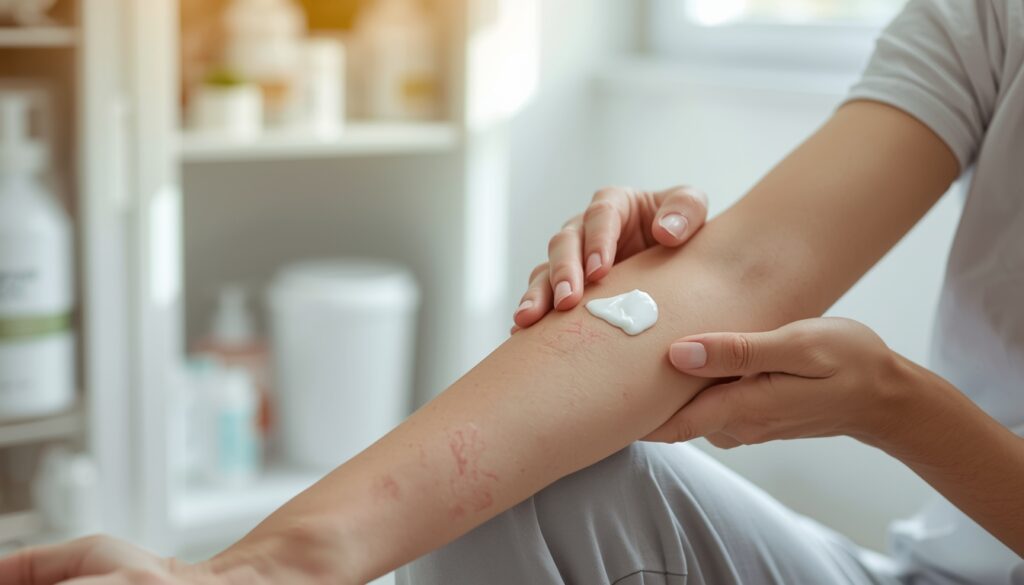
While treatments focus on eliminating the bugs themselves managing the physical effects of bites is equally important. Bed bug treatment ointment typically contains ingredients that reduce itching and prevent infection from scratching.
Hydrocortisone cream effectively reduces inflammation and itching associated with bed bug bites.Antihistamine creams and oral medications help control allergic reactions to bed bug bites.
These products reduce the body’s histamine response which causes the redness and swelling around bite marks. Calamine lotion provides cooling relief and helps dry out bites to speed healing.
For bed bug treatment for humans with severe reactions or secondary infections from scratching prescription medications may be necessary.
Topical antibiotics prevent bacterial infections in damaged skin while stronger corticosteroids address serious allergic responses. Always consult a healthcare provider if bites become severely inflamed or show signs of infection.
Professional Bed Bug Treatment Cost and What to Expect
The bed bug treatment cost varies significantly based on infestation severity and treatment method chosen. Professional heat treatment typically ranges from $1,000 to $4,000 for an average-sized home.
This method involves raising the temperature of your entire home or specific rooms to lethal levels for bed bugs.
Chemical treatments by licensed pest control professionals generally cost between $300 and $1,500 depending on the size of your home and the number of treatments required.
Most professional services require multiple visits spaced weeks apart to eliminate newly hatched bugs from eggs that survived the initial treatment.
Fumigation represents the most expensive option with costs ranging from $4,000 to $8,000 or more. This method involves sealing your home and filling it with gas that penetrates all areas to kill bed bugs.
While costly fumigation offers the highest success rate for severe infestations and provides long-lasting results.
Most Effective Bed Bug Treatment Methods
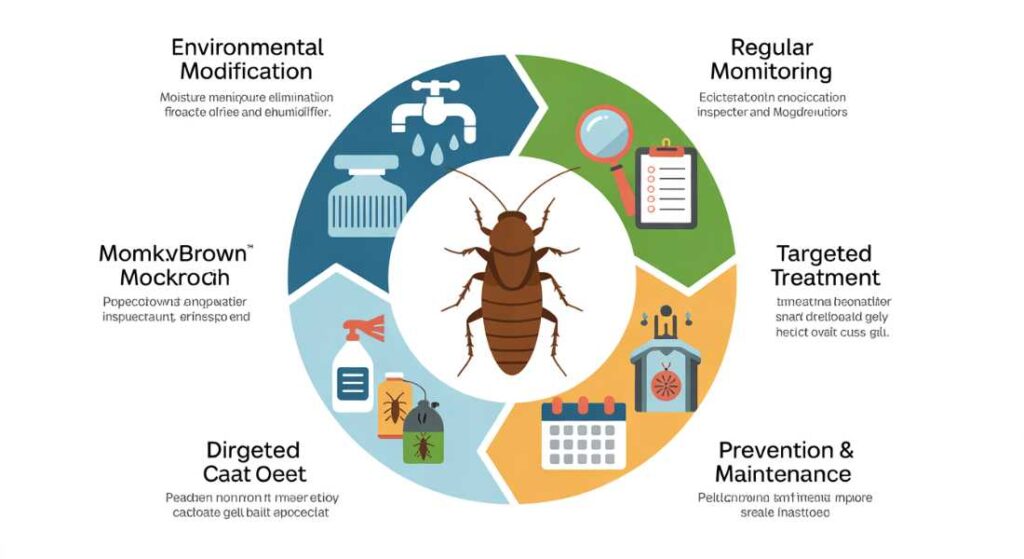
The most effective bed bug treatment combines multiple approaches to target bugs at all life stages. Integrated pest management incorporates chemical treatments with physical removal methods and preventive measures.
This comprehensive strategy addresses both active infestations and prevents future problems. Professional heat treatment ranks among the most effective single-method approaches available today.
Specialized equipment heats your home to temperatures that kill all bed bugs and eggs without using chemicals. The entire process typically takes one day and allows you to return home immediately after treatment completion.
Consistent monitoring and retreatment form the backbone of effective bed bug elimination. Using interceptor traps under bed legs helps you detect any remaining bugs or new infestations early. Regular inspections of sleeping areas and prompt action at the first sign of bed bugs prevent small problems from escalating.
15 Home Remedies for Bed Bugs That Actually Work
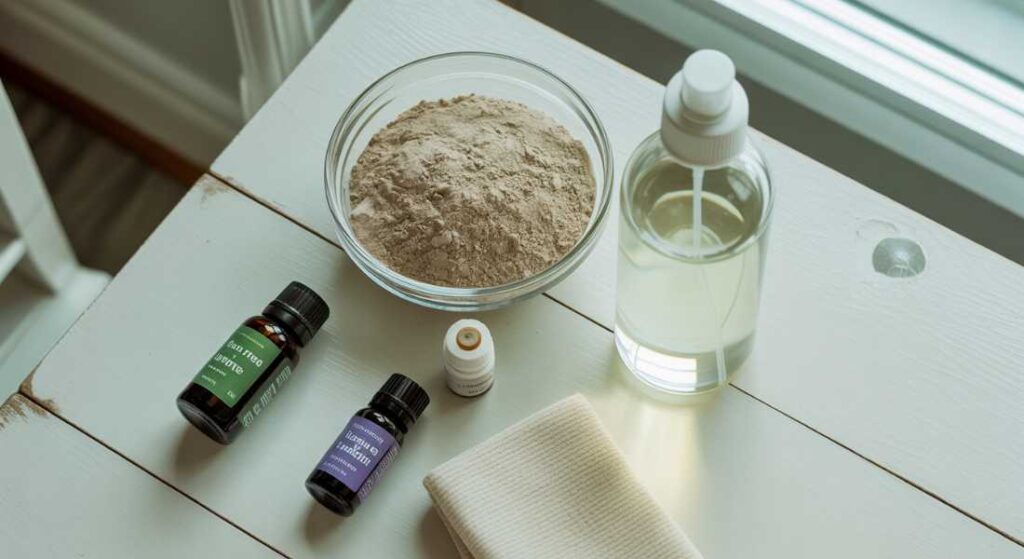
Natural and homemade solutions provide accessible alternatives for those seeking chemical-free options. Diatomaceous earth stands out as one of the most effective home remedies when applied correctly.
Sprinkle food-grade diatomaceous earth around bed frames and in cracks where bed bugs hide.
Essential oils including tea tree oil and lavender oil have shown some effectiveness in repelling bed bugs. Mix these oils with water in a spray bottle and apply to mattress seams and baseboards. While not as effective as professional treatments these oils can complement other control methods.
Baking soda absorbs moisture from bed bugs’ bodies causing dehydration. Sprinkle baking soda around infested areas and vacuum it up after a few days then repeat the process.
Cold treatment works by placing infested items in a freezer at 0°F for at least four days to kill all bed bugs and eggs.
Double-sided tape placed around bed legs creates a barrier that traps bed bugs attempting to climb onto your bed. Cayenne pepper mixed with other spices creates a natural repellent that bed bugs avoid. White vinegar’s acetic acid can kill bed bugs on contact when sprayed directly.
Silica gel packets placed in drawers and under mattresses help control humidity and can desiccate bed bugs.
Lemon juice mixed with water creates an acidic spray that repels bed bugs when applied to furniture. Fresh mint leaves placed around sleeping areas may deter bed bugs due to their strong scent.
Bean leaves have shown surprising effectiveness in traditional folk remedies with their hooked surface trapping bed bugs. Thyme oil burned in an oil diffuser may repel bed bugs from treated rooms. Black walnut tea sprayed on surfaces creates an environment bed bugs tend to avoid.
Lavender sachets placed under pillows and in closets provide a pleasant scent while potentially repelling bed bugs. Peppermint oil applied to cotton balls and placed strategically around your bedroom may discourage bed bug activity.
Remember that home remedies work best for minor infestations and should be combined with more aggressive treatments for serious problems.
Prevention: Keeping Bed Bugs Away After Treatment
Preventing reinfestation requires vigilance and consistent protective measures after successful bed bug treatment.
Inspect secondhand furniture carefully before bringing it into your home and avoid picking up items from curbs or dumpsters. When traveling examine hotel rooms for signs of bed bugs before unpacking your luggage.
Use protective covers on mattresses and pillows as a long-term preventive strategy. Reduce clutter in your bedroom to eliminate hiding spots where bed bugs can establish new colonies. Regular vacuuming and washing of bedding on high heat cycles helps catch any new bed bugs before they multiply.
Seal cracks and crevices in walls and around baseboards to eliminate entry points and hiding spots.
When returning from trips immediately wash all clothing in hot water and dry on high heat. Store luggage away from sleeping areas and consider placing it in sealed plastic bags between uses.
Signs Your Treatment Is Working
Monitoring treatment effectiveness helps you determine if additional measures are needed. A reduction in new bites is the first sign that your bed bug treatment is working effectively.
Check interceptor traps regularly for captured bed bugs which should decrease in number over time.
Absence of live bed bugs during visual inspections indicates successful elimination. Look for shed skins and fecal spots which should stop appearing if your treatment has eliminated the infestation.
Keep monitoring for at least three months after treatment since bed bug eggs can take time to hatch.
Professional follow-up inspections provide expert confirmation that your home is bed bug-free. Many pest control companies include follow-up visits in their treatment packages to ensure complete elimination. Document your progress with photos and notes to track improvement over time.
Conclusion
Effective bed bug treatment requires a strategic approach that combines immediate action with long-term prevention. Whether you choose professional services or tackle the problem yourself using home remedies the key to success lies in thoroughness and persistence.
Understanding what kills bed bugs instantly and maintaining consistent treatment protocols ensures complete elimination.
Remember that bed bug treatment at home can be successful for minor infestations but severe problems often require professional intervention.
The investment in proper treatment pays off through restored sleep quality and peace of mind. Stay vigilant after treatment and act quickly if you notice any signs of bed bugs returning to maintain a pest-free home.
Frequently Asked Questions
How long does bed bug treatment take to work completely?
Complete bed bug treatment typically requires 2-3 weeks with multiple applications to eliminate all life stages. Chemical treatments kill adult bugs quickly but eggs may survive the initial application and hatch later requiring follow-up treatments.
Heat treatments can eliminate an entire infestation in a single day when performed correctly by professionals.
Can I sleep in my bed during bed bug treatment?
You can generally sleep in your bed during most bed bug treatment processes though some chemical applications require temporary evacuation.
Continuing to sleep in your bed actually helps with treatment because bed bugs are attracted to your body heat and carbon dioxide making them more likely to contact treated areas. Always follow specific instructions provided by pest control professionals regarding safe occupancy.
Do bed bug treatments harm pets or children?
Modern bed bug treatment methods prioritize safety for household occupants including pets and children.
Heat treatments pose no chemical risks and are safe for everyone once temperatures return to normal. When using chemical treatments follow label instructions carefully and keep children and pets away from treated areas until surfaces are completely dry.
How much does professional bed bug treatment cost on average?
Professional bed bug treatment cost ranges from $300 to $5,000 depending on infestation severity and chosen method.
Single-room treatments typically cost less than whole-house treatments while heat treatment and fumigation represent the higher end of the price spectrum. Many companies offer free inspections and can provide accurate quotes based on your specific situation.
What kills bed bugs instantly at home without chemicals?
Steam cleaners kill bed bugs instantly without chemicals by exposing them to temperatures above 160°F. Direct application of steam to mattress seams and furniture crevices eliminates bugs and eggs on contact.
Vacuuming combined with immediate disposal of the vacuum bag also provides instant physical removal though it may not capture all hidden bugs.
How do I know if bed bugs are completely gone?
Bed bugs are completely gone when you experience no new bites for at least 8-10 weeks after treatment. Regular visual inspections should reveal no live bugs or shed skins along with no new fecal spotting.
Interceptor traps placed under bed legs should remain empty and professional inspection can provide definitive confirmation of elimination.
Are natural home remedies effective for severe infestations?
Natural home remedies work best for minor infestations or as supplementary measures alongside professional treatments.
While diatomaceous earth and essential oils can help control bed bugs they rarely eliminate severe infestations completely on their own. Combining multiple home remedies with thorough cleaning and monitoring provides better results than relying on a single natural method.
Can bed bugs come back after professional treatment?
Bed bugs can return after professional treatment if eggs were missed or if new bugs are introduced from outside sources.
Following all post-treatment instructions and maintaining preventive measures significantly reduces the risk of reinfestation. Most reputable pest control companies offer warranties or free follow-up treatments if bed bugs return within a specified timeframe.