

Introduction
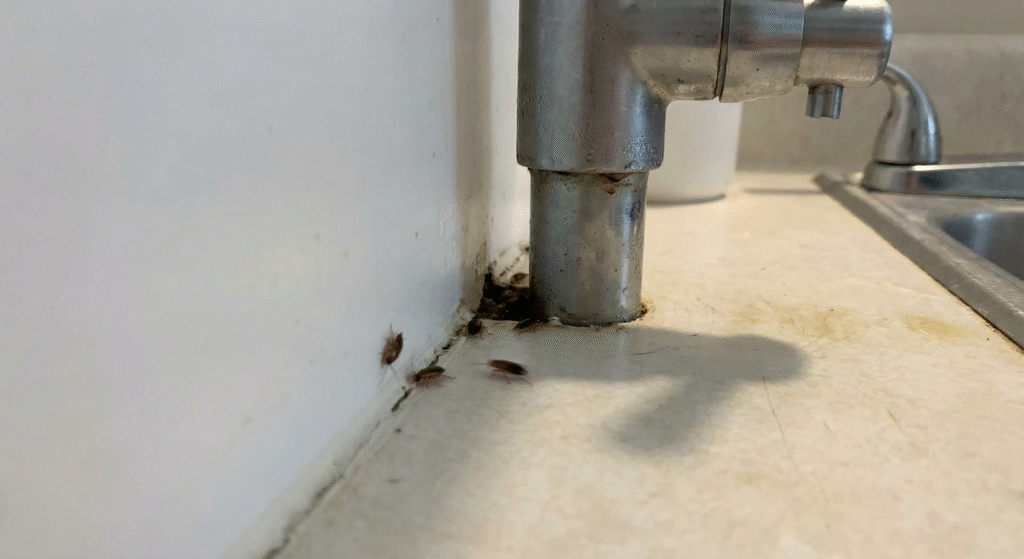
Many people feel stressed when they suddenly notice baby cockroaches in house because these tiny insects often signal a larger hidden issue.
This guide is written to help homeowners and renters understand what these small pests mean and how to deal with them in a safe and effective way.
The goal is to offer clear information supported by real observations along with simple actions you can take at home to protect your living space.
Readers will gain knowledge about early signs of infestation sources of entry risks related to small roaches and proven strategies that reduce their presence without creating fear or confusion.
Why tiny roaches appear inside a home
Small roaches show up indoors when they find the right mix of warmth food and moisture. Homes provide all three even when they look clean on the surface. It is helpful to understand the factors that attract them so you can act quickly before the population grows.
Many homes have hidden gaps near pipes and sinks that offer quiet spaces where roaches can hide during the day. The more comfortable these places are the faster they reproduce.
Common signs that tiny insects are breeding
When small roaches begin breeding you might notice a few early clues. Homeowners often see them moving in dark corners during the night because they avoid bright light.
You might also notice the presence of small dark droppings near appliances or in the back of cabinets. These droppings look like fine dust which many people mistake for dirt. Sometimes you may notice egg casings that look like thin brown capsules.
They often hide behind stoves or refrigerators where the environment stays warm. If you see these signs it means roaches have found a place to settle and are multiplying.
How to identify young roaches correctly
Young roaches look different from adults because their bodies are smaller and softer. They often have darker coloring and move very quickly which can make it hard to observe them closely. Understanding what they look like helps you track where they are coming from.
Physical traits of young roaches
Baby roaches are usually dark brown or almost black. Their bodies appear rounder than adult roaches and they do not yet have wings. When you see them scurrying across the floor they move with rapid motion that surprises many people.
Their size can range from the head of a matchstick to the length of a fingernail depending on their age. They spend most of their time hiding under appliances or inside small cracks where they feel safe.
Why young roaches grow so quickly
These insects develop fast because their life cycle supports steady reproduction. Each female can produce many eggs in a single year which increases the population inside a home in a short period.
Although these facts may sound unpleasant understanding them helps you respond before the situation becomes overwhelming.
The stages of the roach life cycle
Roach life begins when a female lays an egg casing which contains many eggs. When these eggs hatch small nymphs emerge. Nymphs shed their skin many times while growing into adults which allows them to adapt to the environment.
As they grow they search for food constantly and stay close to moisture sources. Once they reach adulthood the cycle repeats. This steady cycle explains why addressing the problem early is important.
Where young roaches hide inside a home
Small roaches choose hiding places that help them stay protected. They love warm and moist environments which makes kitchens and bathrooms their favorite areas. You might not notice them at first because they often stay behind appliances that block your view.
Typical hiding spots that people overlook
Young roaches often hide behind refrigerators because this area stays warm. The back of stoves also offers a safe shelter. Sinks provide moisture so roaches gather under them where water pipes create damp air.
They also crawl inside wall cracks near electrical outlets. Pantries attract them because food crumbs build up slowly over time. Each of these hiding spots creates the ideal environment for reproduction. Discovering these areas helps you know where to focus your cleaning and removal efforts.
What attracts small roaches to food and water
Roaches survive by finding any available food source even in small amounts. They also depend on moisture which is why leaks inside a home contribute to infestation. Knowing what attracts them helps you break the cycle.
How leftover food becomes a source of attraction
Even tiny crumbs from cooking or eating can attract roaches. They feed on food residue stuck to dishes or inside drains. Grease behind stoves creates another source of nourishment.
When these food sources remain undisturbed they help roaches grow. Removing these food traces makes your home far less appealing to them.
Health concerns linked with small roach presence
The presence of roaches can impact health because they leave behind droppings and shed skin. These materials can mix with dust and affect indoor air quality.
People with allergies or breathing conditions may experience discomfort when roach debris accumulates. Understanding these risks helps you treat the problem with urgency.
Why roach debris affects indoor health
Roach droppings break into small particles that enter the air when disturbed. These particles can irritate the respiratory system.
People often notice more sneezing or itching when roaches are active in the home. Cleaning and reducing roach numbers helps maintain healthier air.
Safe ways to eliminate small roaches from indoor spaces
There are many safe methods that help reduce roach populations without harming the home environment. A combination of cleaning sealing and targeted treatments offers the best results. Acting steadily is more important than taking drastic steps.
Effective cleaning methods to reduce roaches
Cleaning tight corners with soap and water reduces food sources. Washing surfaces daily keeps crumbs away. Emptying trash often prevents odors that attract roaches.
You can clean behind appliances to remove grease buildup. Consistent cleaning makes it difficult for roaches to find nourishment.
Professional help and home based methods
Sometimes roach activity becomes too severe to handle alone. In such situations trained professionals can use stronger treatments that reach deep hiding spots. Understanding when to call for help protects your home.
When experts may be necessary
If roaches continue to appear after intense cleaning and sealing it might indicate a hidden infestation. Pest control experts have tools that reach places inside walls or under flooring.
They can also identify the species present which helps tailor the treatment. Many homeowners feel relieved after receiving expert guidance because it supports long term control.
How to prevent small roaches from returning
Prevention is essential because roaches thrive in conditions they find comfortable. When you remove food and moisture sources they lose interest in the space. Simple daily habits create a long lasting barrier that keeps them away.
Daily habits that keep the home protected
Wiping counters after cooking removes crumbs. Keeping dishes clean at night prevents roaches from feeding. Fixing leaks under sinks removes moisture.
Storing food in sealed containers keeps roaches from smelling it. These small actions create an environment that is not appealing to roaches.
How to seal entry points that allow roaches inside
Roaches enter through gaps in doors windows and walls. Blocking these openings reduces the chance of new roaches entering from outside or from neighboring units in shared buildings. Proper sealing also helps maintain better indoor temperature and cleanliness.
Best areas to seal for roach prevention
Caulk around pipes where they enter walls especially under sinks. Seal gaps behind stoves and refrigerators where lines run through the wall.
Check windows for tiny openings that allow insects to slip inside. Paying attention to these details leads to a cleaner and more secure living space.
How moisture control helps prevent roach activity
Moisture attracts roaches because they need water to survive. Reducing damp areas makes your home less inviting. Many rooms especially bathrooms and kitchens naturally develop moisture so control efforts matter.
Steps to reduce indoor moisture
Wipe sinks dry after use to remove water that lingers on the surface. Open windows to let air flow when the weather allows it. Repair dripping faucets quickly.
Use exhaust fans in bathrooms to reduce humidity. These actions stop moisture from gathering and help keep roaches away.
Long tail keyword inclusion naturally
Long tail variations are included such as how to get rid of tiny roaches in the kitchen how to control roach nymphs indoors and signs of small roach infestation. These versions help readers discover the exact guidance they need without feeling overwhelmed.
Conclusion
Young roaches inside a home reveal that food moisture or shelter is allowing them to thrive. By recognizing their signs cleaning regularly sealing entry points and reducing moisture you can protect your home from further growth.
If the problem becomes hard to manage seeking expert help is a strong step toward restoring comfort. Take action today to maintain a clean and healthy home environment.
FAQs
What causes baby roaches to appear suddenly
Baby roaches appear when adults have already laid eggs in hidden places inside the home. A warm and moist environment encourages these eggs to hatch.
When you begin seeing small roaches it often means they have found a food source and comfortable shelter which supports reproduction.
How do I know if small roaches are coming from the kitchen
Small roaches often gather in kitchens because food and water are available. You may spot them near the sink or around appliances where crumbs and grease collect.
If you see them at night or find droppings in cabinets it suggests the kitchen is their main location.
Are baby roaches more dangerous than adult roaches
Young roaches are not more dangerous yet they still carry the same ability to spread debris that can affect indoor air. Their rapid growth increases the population which raises health concerns. Identifying them early helps reduce this impact and keeps your home cleaner.
How can I remove small roaches without strong chemicals
You can clean surfaces with soap and water remove crumbs store food properly and fix leaks to reduce roaches naturally.
These steps limit their food and water sources. When the environment becomes less supportive the roach population begins to decrease without the need for harsh chemicals.
Why do small roaches hide under appliances
Roaches hide under appliances because the areas stay warm and dark which makes them feel safe. These spots often contain crumbs or grease that provide food. Checking and cleaning under appliances helps remove these sources and reduces their hiding places.
What should I do if roaches keep returning after cleaning
If cleaning does not stop roach activity the infestation may be deeper than it appears. They might live inside walls or near hidden pipe openings. At this point it helps to seek professional assistance because experts can reach places you cannot access easily.
Can leaks inside the home attract baby roaches
Leaks provide moisture which small roaches need to survive. When water collects under sinks behind walls or near appliances the dampness attracts them. Fixing leaks and keeping surfaces dry reduces this attraction and helps prevent further roach activity.



[…] Baby cockroaches in house […]