

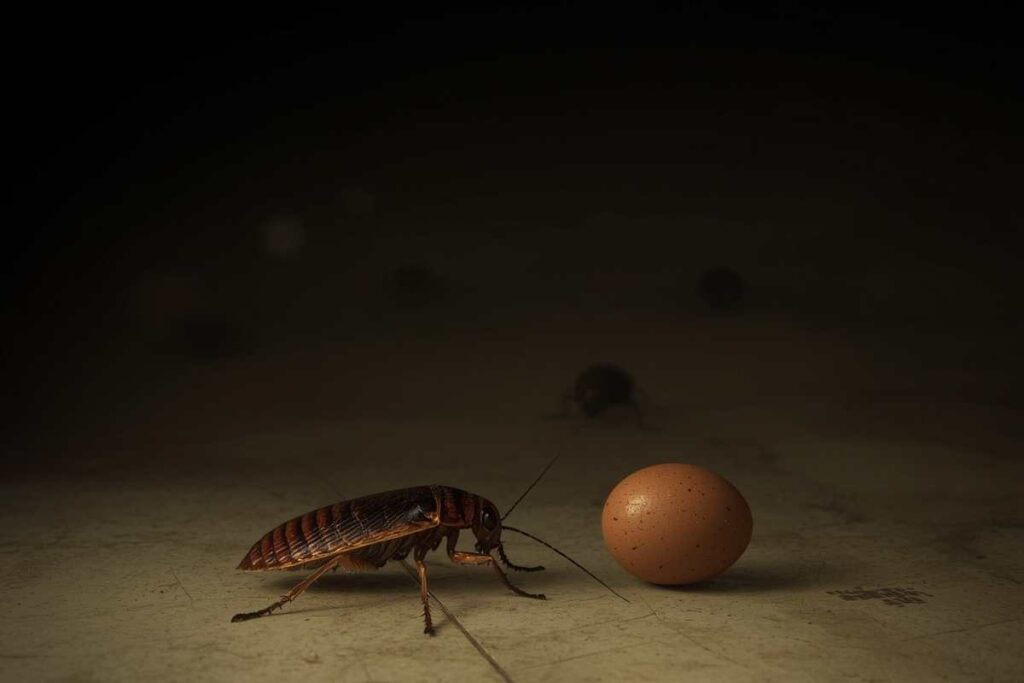
Understanding what a baby cockroach is and how it behaves is one of the most important steps homeowners take when they notice tiny insects moving quickly around the kitchen or bathroom.
Many people assume they are harmless because they are small but these young pests can create a large problem when left unnoticed.
The moment someone sees a tiny roach crawling behind appliances or furniture there is a chance that more are already present in the same area.
These insects develop in stages and grow rapidly so learning about their characteristics helps identify them correctly which leads to faster pest control.Roaches are among the most persistent household pests in the world.
They thrive in warm and moist environments which makes kitchens bathrooms and basements their favorite places to hide.
Once they find food shelter and water they begin multiplying. Homeowners often ask what young roaches look like including their size color and behavior. The answers to these questions allow people to catch an infestation early before it spreads into multiple rooms.
This article explains their life cycle ways to identify them and what homeowners can do to keep them away.
What is a Baby Roach
Young roaches go through several stages after hatching from their egg casings. When they first emerge they are known as nymphs. They do not have wings and their bodies look different from adults which helps people recognize their growth stage.
During this time they shed their outer shell repeatedly as they get bigger. They also stay close to dark cracks which keep them hidden from sight. These tiny insects are very active and move quickly whenever they sense light or movement around them.
Appearance of Nymphs
Nymphs start their life very small. Some are only a few millimeters long when they first appear. Their bodies are usually soft and light in color right after shedding. A short time later their color becomes darker which helps them blend with their surroundings.
They have long antennae that guide them in searching for food and water. Their bodies are flat which allows them to squeeze through thin spaces and stay hidden behind refrigerators stoves or storage cabinets.
Someone who spots a small dark roach near food crumbs or damp surfaces has likely seen a nymph.
The Life Cycle of a Roach
A roach does not appear suddenly. Its development involves several steps from the egg stage until it becomes a fully grown insect. Understanding this process helps homeowners know when and where young roaches may be hiding in the home.
Each stage requires warmth and moisture to help them grow so keeping areas clean and dry is extremely helpful in slowing their development.
Eggs and Hatching
The very first stage begins when adult females form a protective case that holds many eggs inside. This case is placed in hidden spots such as gaps under cabinets behind appliances or inside wall openings.
When the time comes the case opens and numerous nymphs exit looking for a place to survive. These young insects immediately start to search for food and moisture to stay alive.
Growth Through Shedding
As nymphs grow their outer skin becomes tight. To continue developing they must shed this skin and form a new one. This shedding happens many times throughout their early life.
Each time they shed they become slightly bigger and their appearance becomes more like an adult. During shedding they are weak which makes them hide more carefully.
Where Young Roaches Hide in Homes
Young roaches do not roam in open areas. They prefer places where light does not reach. They look for warmth and humidity which means kitchens bathrooms and storage rooms are common hiding places.
Whenever people leave leftover food dirty dishes or wet surfaces these insects find plenty of resources to feed and survive.
Common Indoor Locations
Nymphs hide inside deep cracks in walls or behind sinks and toilets. They also stay under the stove or beneath large appliances where crumbs and grease are not cleaned regularly.
Another common hiding spot includes cardboard boxes and old newspapers stored in dark corners. The presence of moisture from leaking pipes or unclean drains also attracts them.
Night Activity
They are mostly active during the night when humans are asleep. This is the time they come out of hiding and search for food scraps or spilled liquids.
Homeowners often notice them suddenly running across kitchen counters when they turn on the lights in the evening. This behavior shows that a hidden colony exists nearby.
Why Their Presence Matters
Spotting just one tiny roach is not a small issue. It signals that more may be living in the same building. These pests can multiply quickly because many eggs hatch at once.
As they continue growing the population increases which becomes difficult to control. Their presence also creates several risks that homeowners must take seriously.
Health and Hygiene Risks
Roaches move through dirty areas including trash bins drains and sewer lines which causes germs to stick to their legs and bodies. When they come in contact with food surfaces they leave harmful bacteria behind.
This contamination can cause stomach problems and allergies for people in the household. Small children and older adults are more vulnerable to these health concerns.
Damage and Unpleasant Odor
Roaches feed on almost anything including paper food packaging and soap. This behavior damages stored goods especially in kitchens and pantries.
They also produce an unpleasant smell that becomes stronger when the population increases. Many people find this odor disturbing inside their living space which affects comfort at home.
How to Identify an Infestation Early
Finding nymphs early is one of the most effective ways to prevent a large infestation. People should keep watch for specific signs that roaches leave behind as they move through the house.
When someone pays close attention these signs appear long before the adult insects become visible.
Signs That Show Young Roaches Are Present
Homeowners may see dark droppings that resemble tiny coffee spots in corners drawers and under appliances. They may also find shed skins that look like small dry shells. These are left behind after the nymphs grow.
Bad smell in closed spaces also points to roach activity inside. When these signs appear it means the pests are already building their hiding place.
The Behavior of Young Roaches
Nymphs grow fast which makes them hungry often. They eat whenever they find any edible material so they never stop exploring new areas around the house.
Their movement patterns help people understand why they stay near food and water sources. This behavior makes kitchens a common first target.
Feeding and Survival Instincts
They eat crumbs sugars grease and even glue from food packages. Without access to food they do not survive long. This is why cleaning plays a major role in controlling them.
Moisture attracts them as well. Drains with standing water leaking pipes and wet cleaning cloths give them the moisture they require.
Ways to Reduce Their Activity
A clean environment creates fewer hiding spots and food sources. This is why cleanliness is the strongest defense against a growing roach population. It limits the ability of nymphs to stay alive and makes the area less comfortable for them to stay.
Cleaning and Maintenance Tips
Kitchen counters should stay clear of food scraps. Spills should be wiped immediately to prevent pests from gathering. Food items should be stored in sealed containers so nothing remains exposed.
Regularly emptying trash and keeping sinks dry after use also helps. Sealing small entry gaps including tiny wall cracks prevents them from finding places to hide.
When to Call a Pest Control Expert
Sometimes the population grows faster than expected. Even with cleaning some roaches may still survive because they have already established deep hiding zones.
At this stage assistance from a professional becomes necessary. These experts have knowledge about treatment methods that reach hidden nests.
Importance of Professional Solutions
Professionals use safe treatments that target both adults and nymphs. They can inspect all the areas where roaches enter and guide homeowners about long term prevention.
Calling a specialist when the first signs appear prevents the situation from getting worse which helps maintain a healthy household.
Conclusion
Noticing small roaches inside any room should never be ignored. They grow quickly and bring harmful germs that affect hygiene and comfort.
When homeowners learn about their appearance hiding behavior and early signs of infestation they gain better control over the situation. The best results come from keeping the home clean sealing cracks and immediately addressing leaks or spills.
Understanding the life stage of these tiny insects helps catch the problem at the beginning. If the problem continues even after cleaning professional support keeps the house protected.
Stay alert whenever you see the first sign and take action so living spaces remain fresh and safe for everyone. For more help with roach identification you can always seek expert guidance.
FAQS
What does a baby roach look like
A young roach looks smaller and has no wings. It often appears dark brown or black depending on its growth stage.
Its body is flat and it moves quickly when disturbed. It may look shiny right after shedding its skin. People usually see them near food areas sinks or in dark corners.
Are young roaches dangerous
These tiny insects carry germs on their bodies. When they crawl over food surfaces they can spread harmful bacteria which may affect health.
They also create unpleasant smells that make the environment uncomfortable. Spotting even one suggests that more may be close by so attention is needed to control them quickly.
Why do baby roaches appear in the kitchen
They search for food crumbs spills and moisture which are easily found in kitchens. Small gaps under appliances or near pipes provide them shelter.
Leaving food uncovered or dishes unwashed encourages them to gather near that space. Keeping kitchen areas dry and clean reduces their presence greatly.
Do young cockroaches bite humans
They usually avoid humans and rush away when close contact happens. Their main goal is to find food not to bite.
Biting is extremely rare because their mouth structure is mainly for feeding on soft items or leftovers. Their biggest risk comes from the germs they carry not from biting.
How can I prevent nymphs from spreading inside the home
Keeping rooms clean makes it hard for them to survive. Wiping surfaces after eating storing food properly drying sinks and fixing pipe leaks are strong preventive methods.
Throwing away garbage every day and sealing cracks also helps. If the number continues to rise experts can provide treatments.
Why are small roaches mostly seen at night
They prefer darkness because it keeps them safe from predators. Nighttime is when they feel protected while searching for food.
When lights suddenly turn on they rush back into their hiding zones. Seeing them at night is one of the common signs that they are active in that room.
How fast do young cockroaches grow
Their growth depends on the availability of food and moisture. They shed several times during their development which makes them increase in size each time.
When living in favorable conditions they reach the next stage quicker. Their goal is to keep feeding and finding places to stay hidden.



[…] Baby Cockroach […]
[…] Baby Cockroach […]