

Introduction
Are cockroach nymphs dangerous? This question worries many homeowners who suddenly spot these small creatures in their kitchens or bathrooms.
Cockroach nymphs are the juvenile stage of cockroaches and while they don’t pose immediate physical threats like biting or stinging, their presence indicates serious concerns for your home and health.
Understanding what these baby roaches mean and how to respond can protect your family from contamination and prevent a full-blown infestation.
This guide explains everything you need to know about cockroach nymphs, including their health risks, what their appearance signals, and effective ways to eliminate them from your living space.
What Are Cockroach Nymphs?
Cockroach nymphs are newly hatched baby cockroaches that emerge from egg cases called oothecae. They look like smaller versions of adult roaches but lack fully developed wings and reproductive organs.
These young insects go through several molting stages before reaching adulthood. During this growth period they remain close to their hatching site, which is usually in dark and damp areas like behind appliances, under sinks, or inside wall cracks.
Physical Characteristics of Baby Roaches
Nymphs typically measure between 3 to 5 millimeters when first hatched. Their bodies appear lighter in color compared to adults, ranging from white to brown depending on the species and molting stage.
As they mature through successive molts, their exoskeleton darkens and hardens. German cockroach nymphs have two dark stripes on their backs, while American cockroach nymphs show a lighter band pattern.
Health Risks Associated With Cockroach Nymphs
The presence of young roaches creates multiple health hazards for household members. These insects carry bacteria and pathogens on their bodies as they crawl through garbage, sewage, and other contaminated areas.
Nymphs spread harmful microorganisms like Salmonella, E. coli, and Staphylococcus onto surfaces where food is prepared or consumed. This contamination happens when they walk across countertops, dishes, and utensils during nighttime foraging.
Allergies and Respiratory Problems
Cockroach nymphs shed their exoskeletons multiple times as they grow. These shed skins break down into fine particles that become airborne and mix with household dust.
People with asthma or allergies experience worsened symptoms when exposed to these particles. Children are especially vulnerable to respiratory issues triggered by cockroach allergens in the home environment.
Disease Transmission Potential
While nymphs themselves don’t actively bite or attack humans, they serve as vectors for various diseases. Their droppings and body parts contaminate food storage areas and cooking surfaces.
Studies link cockroach infestations to increased cases of food poisoning and gastroenteritis in affected households. The younger roaches contribute to this problem as actively as adult specimens.
Do Cockroach Nymphs Bite Humans?
Baby roaches have mouthparts designed for chewing plant matter and organic debris, not for biting through human skin. Unlike bed bugs or mosquitoes, they don’t feed on blood.
In extremely rare cases documented in heavily infested homes, cockroaches have been observed nibbling on fingernails, eyelashes, or dead skin. However, this behavior is exceptionally uncommon and typically occurs only when food sources are completely depleted.
The real danger from nymphs comes from contamination rather than direct physical harm through biting or stinging.
What It Means When You See Cockroach Nymphs
Spotting baby roaches in your home is a serious warning sign that demands immediate attention. Their presence confirms that adult roaches have successfully bred and laid eggs in your living space.
A single female cockroach can produce hundreds of offspring during her lifetime. Seeing even one nymph suggests that many more are hiding in walls, cabinets, and other concealed locations.
Signs of an Active Infestation
When nymphs appear during daytime hours, it indicates a severe overcrowding problem. Roaches are nocturnal by nature and only venture out in daylight when their hiding spots become too crowded.
Other warning signs include finding shed exoskeletons, dark droppings that resemble ground pepper, and a musty odor in affected areas. These indicators combined with nymph sightings confirm an established colony.
Time-Sensitive Nature of the Problem
Baby roaches reach reproductive maturity within weeks depending on species and environmental conditions. German cockroach nymphs become adults in as little as 36 days under ideal circumstances.
This rapid reproduction cycle means a small problem can explode into a major infestation quickly. Taking action within the first few days of discovering nymphs significantly improves control success rates.
Why Cockroach Nymphs Are More Concerning Than Adults
Young roaches actually present greater challenges for homeowners than mature specimens. Their small size allows them to squeeze through tiny cracks and crevices that adult roaches cannot access.
Nymphs can hide in electrical outlets, behind wallpaper, and inside small gaps in cabinetry. This makes them harder to locate and eliminate using conventional pest control methods.
Resistance to Common Treatments
Baby roaches often survive initial pesticide applications that kill adult populations. Their smaller bodies require less exposure to toxic substances, and they tend to stay deeper in protected harborage areas.
Additionally, some cockroach populations have developed resistance to common insecticides over generations. Nymphs born from resistant parents inherit this genetic advantage, making them harder to control.
Effective Methods to Eliminate Cockroach Nymphs
Successfully removing baby roaches requires a comprehensive approach that addresses both visible insects and hidden breeding sites. Single-method treatments rarely achieve complete elimination.
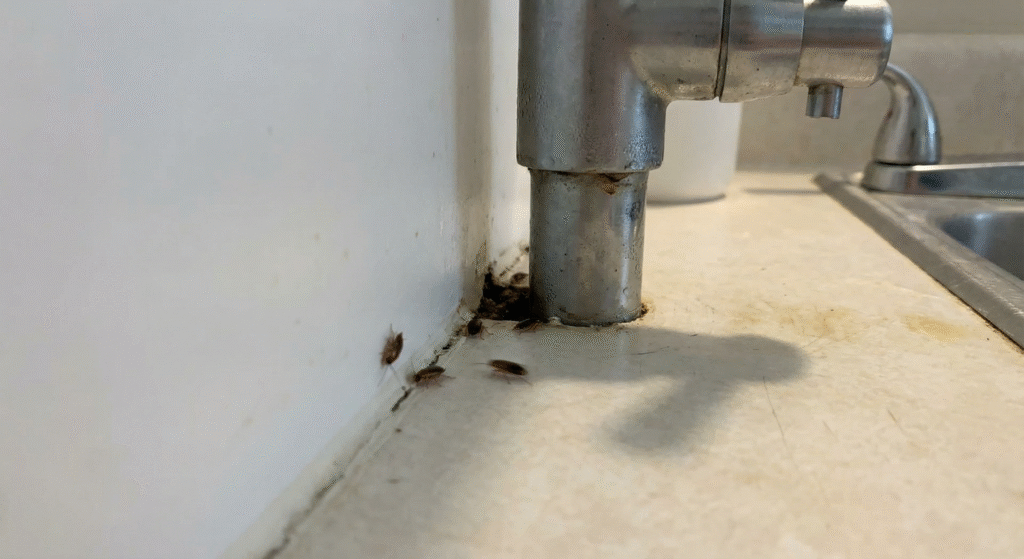
Start by identifying and sealing entry points where roaches access your home. Check around pipes, cables, windows, and door frames for gaps that need caulking or weather stripping.
Sanitation and Prevention Strategies
Remove food and water sources that sustain cockroach populations. Store all food in sealed containers and fix leaky pipes or faucets that provide moisture.
Clean up crumbs and spills immediately, especially in kitchens and dining areas. Take out garbage daily and keep trash bins tightly covered both indoors and outdoors.
Professional-Grade Treatment Options
Gel baits work effectively against nymphs when placed in areas where they travel. These products contain attractants mixed with slow-acting poisons that roaches carry back to their nests.
Insect growth regulators disrupt the molting process in young roaches, preventing them from reaching reproductive maturity. These chemicals provide long-term population control when applied correctly.
Diatomaceous earth offers a non-toxic alternative that damages the waxy coating on cockroach exoskeletons. Apply food-grade powder in cracks, crevices, and behind appliances where nymphs hide.
When to Call Professional Exterminators
If you continue seeing nymphs after two weeks of consistent treatment efforts, professional help becomes necessary. Pest control experts have access to stronger products and specialized application equipment.
Professionals also conduct thorough inspections to locate hidden breeding sites that homeowners typically miss. Their integrated pest management approach combines multiple treatment methods for maximum effectiveness.
Preventing Future Cockroach Nymph Problems
Long-term prevention requires maintaining vigilance even after successfully eliminating an infestation. Regular inspections of vulnerable areas help catch new problems before they escalate.
Inspect grocery bags and packages before bringing them inside your home. Cockroaches and their egg cases often hitchhike in cardboard boxes and paper bags from stores or warehouses.
Home Maintenance for Roach Prevention
Keep your home clean and clutter-free to eliminate hiding spots. Roaches thrive in environments with plenty of undisturbed areas where they can nest and breed.
Vacuum regularly, especially under furniture and appliances where crumbs accumulate. Empty vacuum bags or canisters immediately into outdoor trash receptacles.
Monitoring and Early Detection
Place sticky traps in areas where you previously found roaches. Check these monitors weekly to detect any new activity before populations rebound.
Monitor moisture levels in bathrooms, basements, and crawl spaces. Use dehumidifiers in damp areas to create conditions less favorable for cockroach survival and reproduction.
Frequently Asked Questions
What to do if you find cockroach nymphs?
Act immediately when you discover baby roaches in your home. Begin by thoroughly cleaning the area where you found them and inspect nearby spaces for additional nymphs or egg cases.
Apply gel baits or boric acid powder in cracks and crevices where they hide. Remove all food sources and fix water leaks to make your environment less hospitable. If you find nymphs in multiple locations, contact a licensed pest control professional for comprehensive treatment.
Do cockroach nymphs bite humans?
No, cockroach nymphs do not bite humans under normal circumstances. Their mouthparts are designed for eating organic matter and plant materials, not for piercing skin or feeding on blood.
The primary concerns with these baby roaches involve disease transmission and allergen production rather than direct physical attacks through biting.
What does it mean if you see cockroach nymphs?
Seeing baby roaches confirms that adult cockroaches have successfully reproduced inside your home. This indicates an active and established infestation that requires immediate intervention.
The appearance of nymphs means egg cases have hatched recently, suggesting that breeding sites exist nearby in hidden areas of your property.
Should I be worried if I see a baby cockroach?
Yes, you should take the sighting of a baby roach seriously. Even a single nymph indicates that multiple adults and potentially hundreds of other young roaches are hiding in your home.
The question “are cockroach nymphs dangerous” becomes relevant here because while they don’t bite, their presence signals health risks from contamination and rapid population growth. Quick action prevents a minor problem from becoming a severe infestation.
How fast do cockroach nymphs grow into adults?
The growth rate depends on species and environmental conditions. German cockroach nymphs mature fastest, reaching adulthood in 36 to 60 days.
American cockroach nymphs take longer, requiring 6 to 12 months to fully develop. Warm temperatures and abundant food accelerate the development process.
Can cockroach nymphs survive without food?
Young roaches are surprisingly resilient and can survive for weeks without food if water is available. However, they cannot tolerate dehydration and will die within days without moisture. This is why eliminating water sources is crucial for control efforts.
Are some cockroach nymphs more dangerous than others?
While the question “are cockroach nymphs dangerous” applies to all species, German cockroach nymphs pose the greatest concern for most households.
They reproduce faster, reach maturity quicker, and adapt more readily to indoor environments than other common species. Their rapid breeding cycle makes infestations harder to control without professional intervention.
Conclusion
Are cockroach nymphs dangerous? While they don’t bite or directly attack humans, these baby roaches present serious health risks through contamination and allergen production.
Their presence signals an active infestation that requires immediate attention to prevent rapid population growth.
Taking swift action when you spot nymphs protects your family’s health and prevents costly extermination treatments later. Combine thorough cleaning, targeted treatments, and ongoing prevention measures to keep your home roach-free.
Remember that successful cockroach control focuses on eliminating breeding sites and food sources rather than just killing visible insects. Stay vigilant with regular inspections and address moisture problems to create an environment where these pests cannot thrive.