
Introduction
Are cockroach nymphs dangerous? This question concerns many homeowners who spot these tiny insects in their kitchens or bathrooms. Baby cockroaches represent more than just a minor pest problem. They indicate an active breeding population in your home and carry similar health risks as adult roaches.
Understanding the threat level of these juvenile insects helps you take appropriate action quickly. This guide explores everything about cockroach nymphs including their dangers, identification methods and effective elimination strategies to protect your family and property.
Understanding Cockroach Nymphs and Their Development
Cockroach nymphs are juvenile roaches in their developmental stage before reaching adulthood. These small insects emerge from egg cases called oothecae and immediately begin searching for food and water sources.
Unlike adult cockroaches, nymphs lack fully developed wings and reproductive organs. They undergo multiple molting stages where they shed their exoskeleton to grow larger. During this process they remain vulnerable but highly active in foraging.
The Growth Cycle of Baby Roaches
The development period varies by species but typically takes several weeks to months. German cockroach nymphs mature fastest in approximately 36 days under ideal conditions. American cockroach nymphs take much longer requiring up to a year before reaching adulthood.
Throughout their growth baby roaches stay close to harboring areas where moisture and food are readily available. They prefer dark cramped spaces like cabinet voids, wall cracks and appliance gaps.
Health Risks Associated With Cockroach Nymphs
Are cockroach nymphs dangerous to human health? Yes, they pose significant health threats similar to adult specimens. These young insects carry harmful bacteria, pathogens and allergens on their bodies and in their droppings.
Nymphs contaminate food preparation surfaces and stored food items as they forage. Their fecal matter contains proteins that trigger allergic reactions and asthma attacks particularly in children and sensitive individuals.
Disease Transmission Through Baby Roaches
Research shows cockroach nymphs spread various disease-causing organisms including Salmonella, E. coli and Staphylococcus. They pick up these pathogens while crawling through sewers, drains and garbage before entering living spaces.
The insects defecate frequently leaving behind contaminated trails throughout your home. When dried fecal particles become airborne they enter respiratory systems causing inflammation and breathing difficulties.
Allergic Reactions and Asthma Triggers
Cockroach allergens rank among the most common indoor asthma triggers. Baby roaches contribute significantly to allergen buildup through their shed skins, saliva and waste products.
Children exposed to high cockroach allergen levels show increased emergency room visits for asthma-related issues. Studies indicate that controlling cockroach populations substantially improves respiratory health in affected households.
Why Seeing Baby Roaches Signals a Bigger Problem
Spotting baby cockroaches in your home indicates an established breeding population nearby. Female roaches produce egg cases containing multiple nymphs so seeing even one baby suggests dozens more exist hidden in walls and crevices.
Nymphs stay closer to their nesting sites compared to adults. If you see them in open areas during daylight hours the infestation has likely grown severe enough to force them out of preferred hiding spots.
The Hidden Infestation Reality
Seeing baby roaches but no adults doesn’t mean adult cockroaches are absent. Adult roaches are extremely cautious and typically remain hidden during the day. The presence of nymphs confirms that breeding adults occupy your space even if you haven’t seen them yet.
Each female German cockroach produces up to 40 eggs at once and can create multiple egg cases during her lifetime. This rapid reproduction means small infestations quickly spiral out of control without intervention.
Identifying Cockroach Nymphs Correctly
Proper cockroach nymph identification prevents confusion with other household insects. Baby roaches have distinct characteristics that separate them from beetles, bed bugs or other small pests.
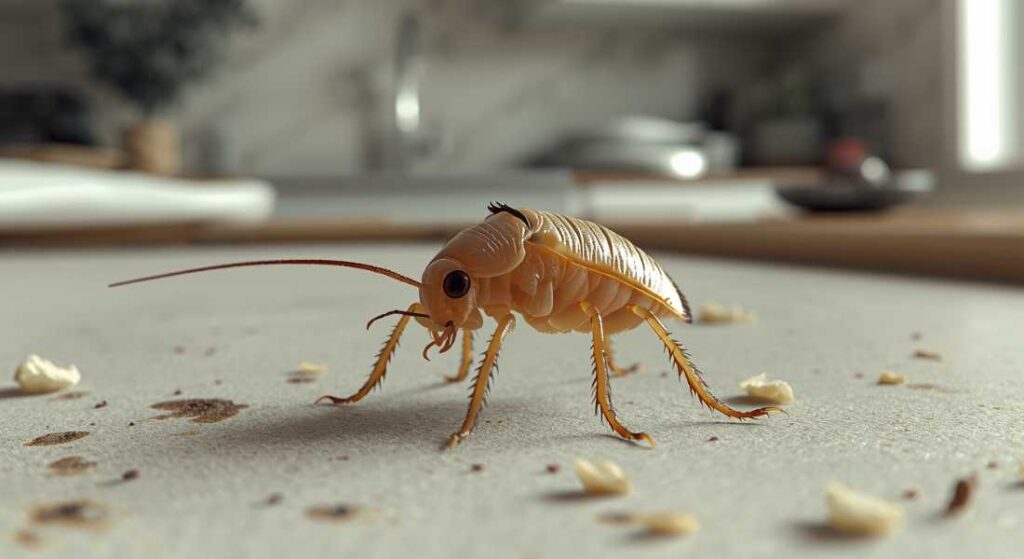
These juvenile insects possess oval-shaped bodies that appear darker than adults of the same species. They have long antennae extending from their heads and six legs protruding from their thorax region.
Key Physical Characteristics
German cockroach nymphs appear almost black or very dark brown. They measure between 3 to 10 millimeters depending on their developmental stage. Two distinctive dark stripes run parallel behind their heads.
American cockroach nymphs start out grayish brown and develop reddish coloring as they mature. They grow much larger than German species eventually reaching up to one inch before adulthood.
Bugs That Look Like Baby Roaches
Several insects resemble cockroach nymphs causing identification confusion. Beetle larvae share similar coloring and body shapes but have different movement patterns and antenna structures.
Cricket nymphs look remarkably similar to baby roaches but have larger hind legs adapted for jumping. Wood roaches which are outdoor species sometimes wander indoors and their nymphs closely match pest species appearances.
Consulting cockroach nymph pictures from reliable pest control resources helps ensure accurate identification. Proper identification ensures you implement appropriate treatment methods for your specific pest problem.
Behavioral Patterns of Baby Cockroaches
Understanding how young roaches behave helps in detecting and eliminating them. Nymphs exhibit similar nocturnal patterns as adults preferring darkness and avoiding light exposure.
Do baby cockroaches jump? No, cockroach nymphs cannot jump despite their quick movements. They run rapidly using their six legs to escape threats but lack the anatomical structures required for jumping.
Movement and Flight Capabilities
Do baby cockroaches fly? Nymphs cannot fly because their wings remain undeveloped throughout their juvenile stages. Only adult cockroaches of certain species possess functional wings capable of sustained flight.
This wingless state makes nymphs more vulnerable to detection and elimination. They must rely entirely on running speed and hiding skills to avoid predators and threats including pest control treatments.
Feeding and Foraging Habits
Baby roaches feed on the same materials as adults including food crumbs, grease, organic matter and even non-food items like book bindings. They require regular access to water sources and often congregate near leaks or condensation.
Their smaller size allows them to exploit tiny cracks and gaps that larger insects cannot access. This ability helps them find food sources throughout homes in the most unexpected locations.
What Finding Cockroach Nymphs Means for Your Home
Discovering cockroach nymphs indicates your home provides ideal breeding conditions. These conditions typically include accessible food sources, adequate moisture and numerous hiding places.
The presence of nymphs at any location suggests that spot lies relatively close to the main harboring area. Roaches prefer staying near their nesting sites especially during vulnerable molting periods.
Immediate Concerns and Future Implications
When you find multiple baby roaches the infestation has progressed beyond the initial stages. Each nymph represents a future breeding adult that will continue the infestation cycle without intervention.
The reproductive potential of an unchecked cockroach population is staggering. A single pregnant German cockroach female can theoretically produce over 10,000 descendants in one year through her offspring’s reproduction.
Effective Methods to Eliminate Baby Cockroaches
Learning how to get rid of baby cockroaches requires a comprehensive approach targeting both visible insects and hidden populations. Single treatment methods rarely succeed against established infestations.
Integrated pest management combines multiple strategies for maximum effectiveness. This approach includes sanitation improvements, physical barriers, chemical treatments and ongoing monitoring.
Sanitation and Environmental Controls
Removing food sources and water access forms the foundation of cockroach control. Store all food in sealed containers and clean up crumbs and spills immediately after they occur.
Fix leaking pipes, faucets and condensation issues that provide moisture. Reduce clutter and seal cracks where nymphs hide during daylight hours. These environmental changes make your home less hospitable to roaches.
Chemical Treatment Options
Insecticidal baits work exceptionally well against cockroach nymphs because they consume more food relative to body size. Place gel baits in areas where you’ve spotted nymphs or suspect harboring sites.
Insect growth regulators disrupt the molting process preventing nymphs from reaching reproductive maturity. These products provide long-term population suppression when combined with other control methods.
Professional Pest Control Services
Severe infestations require professional intervention from licensed pest control technicians. Professionals access commercial-grade products and application equipment unavailable to homeowners.
They identify all harboring areas through thorough inspections and develop customized treatment plans. Follow-up visits ensure complete elimination and prevent reinfestation.
Preventing Future Cockroach Infestations
Prevention strategies keep cockroaches from establishing new colonies after successful elimination. Maintaining vigilance prevents small problems from becoming major infestations.
Regular inspections of common entry points like gaps around pipes, door sweeps and utility line penetrations help detect early warning signs. Addressing issues immediately stops infestations before they gain momentum.
Maintenance and Monitoring
Schedule routine kitchen and bathroom deep cleaning sessions targeting areas roaches favor. Pay special attention to appliance areas, cabinet interiors and underneath sinks.
Use sticky traps in strategic locations to monitor for new cockroach activity. These traps help detect problems early when populations remain small and easier to control.
Structural Improvements
Seal cracks and crevices throughout your home using caulk or appropriate filling materials. Install door sweeps on exterior doors and repair damaged window screens.
Reduce moisture levels through proper ventilation in bathrooms and basements. Address any drainage issues around your home’s foundation that might attract cockroaches seeking water.
Do Cockroach Nymphs Bite Humans?
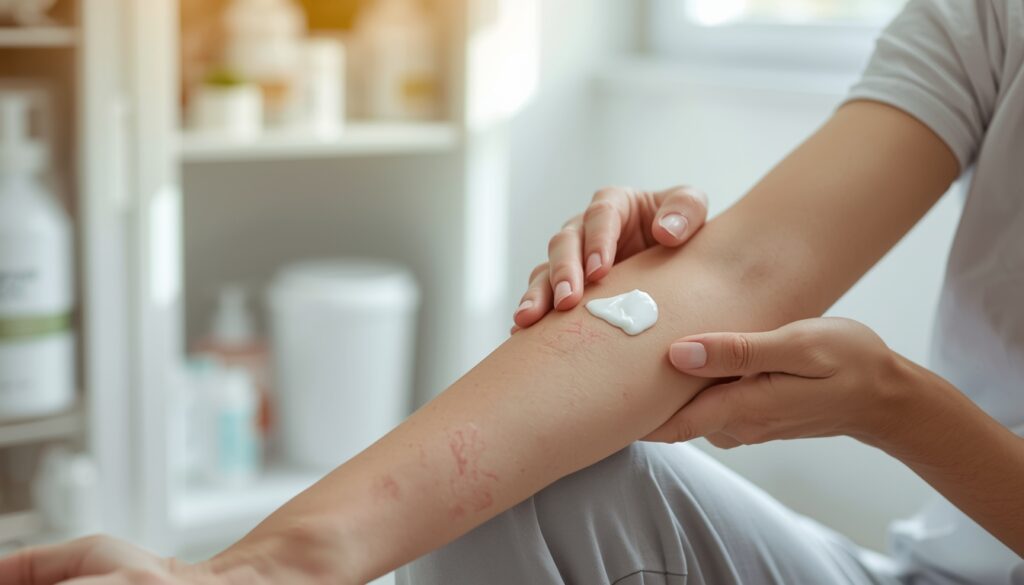
While technically capable of biting, cockroach nymphs rarely bite humans. Their mouthparts are designed for chewing food materials rather than biting skin or tissue.
Documented cases of cockroach bites remain extremely uncommon. When bites occur they typically happen during severe infestations when food sources become scarce and roaches become desperate.
The real danger from nymphs comes from contamination and allergen exposure rather than physical biting. Their presence in living spaces creates unsanitary conditions that compromise health through indirect pathways.
Understanding Community Experiences With Baby Roaches
Online communities like baby cockroach Reddit discussions provide valuable insights from people dealing with similar pest problems. These platforms allow homeowners to share experiences and learn from others’ successes and failures.
Many users report feeling overwhelmed when discovering baby roaches. The emotional impact of finding these pests in your personal space should not be underestimated as it affects quality of life and mental wellbeing.
Community advice emphasizes the importance of quick action and thorough treatment. Success stories typically involve combining professional help with diligent sanitation practices and preventive measures.
Frequently Asked Questions
Is cockroach nymph dangerous to my family?
Yes, are cockroach nymphs dangerous? They pose health risks through disease transmission and allergen production. Baby roaches contaminate surfaces with bacteria and their waste products trigger respiratory problems including asthma. While they rarely bite, their presence indicates unsanitary conditions requiring immediate attention.
What to do if you find cockroach nymphs in your home?
Take immediate action by identifying the infestation extent and implementing control measures. Begin with thorough cleaning and remove food sources. Apply appropriate pesticide treatments or contact professional exterminators for severe infestations. Document where you see nymphs to help identify harboring areas.
What does it mean if you see cockroach nymphs?
Seeing baby roaches confirms an active breeding population exists in your home. It means adult cockroaches have successfully reproduced and the infestation has progressed beyond the initial stage. Multiple nymphs indicate the problem requires comprehensive treatment rather than simple spot treatments.
Can cockroach nymphs survive without adults nearby?
Yes, nymphs can survive independently after hatching from egg cases. They instinctively search for food and water without adult guidance. However, their presence always indicates adults existed recently to produce the eggs even if you haven’t seen mature specimens.
How long does it take to eliminate cockroach nymphs completely?
Complete elimination typically requires 2 to 3 months with consistent treatment efforts. This timeframe allows for targeting multiple life stages including eggs that hatch after initial treatments. Professional pest control with follow-up visits often achieves faster results than DIY methods alone.
Are baby cockroaches easier to kill than adults?
Nymphs are slightly more vulnerable than adults because they lack fully developed protective features. However, they hide effectively in tiny spaces making them challenging to reach with treatments. Successful control requires targeting both life stages simultaneously using comprehensive strategies.
Conclusion
Are cockroach nymphs dangerous? The answer remains a clear yes when considering health risks and infestation potential. These juvenile insects carry the same disease-causing organisms and allergens as adults while signaling an established breeding population in your home.
Taking swift action when you discover baby roaches prevents small problems from becoming overwhelming infestations. Combine sanitation improvements with appropriate treatment methods and consider professional assistance for severe cases.
Remember that successful cockroach control requires patience and persistence. Stay vigilant with prevention measures even after eliminating visible pests. Your efforts protect your family’s health and preserve your home’s comfort and value for years to come.