

Introduction
Are black beetles dangerous creatures lurking in your home? This is a common concern for homeowners who suddenly notice these dark-colored insects crawling across floors or flying near windows. While most black beetles are harmless nuisances, understanding which species pose actual risks and how to handle them safely is essential for protecting your family and property.
This comprehensive guide explores the real dangers associated with these insects, identifies harmful species, explains their behavior, and provides effective removal strategies. Whether you’re dealing with a single beetle or an infestation, you’ll find the answers you need to address the situation confidently.
Understanding Black Beetle Species
Not all dark-colored beetles present the same level of risk. The term “black beetle” encompasses numerous species, each with distinct characteristics and behaviors. Identifying the specific type in your home helps determine the appropriate response.
Common Household Varieties
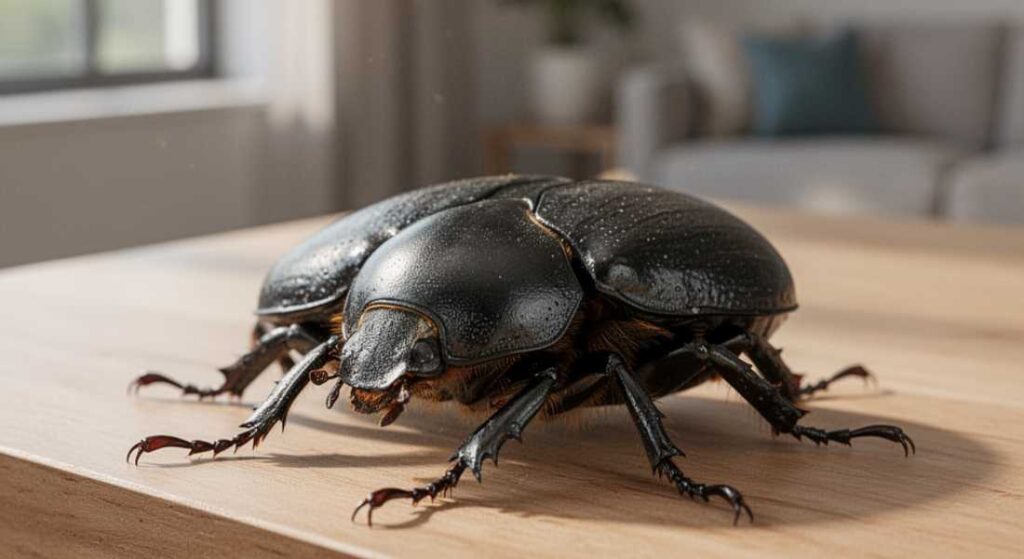
Several beetle species commonly appear in homes. Carpet beetles are tiny black beetles in house settings that feed on natural fibers, though they rarely cause health issues. Ground beetles occasionally wander indoors but prefer outdoor environments. The large black beetle you might encounter could be a stag beetle, which looks intimidating but typically avoids human contact.
Physical Characteristics
Size variations range dramatically among species. A big black beetle might measure over an inch long, while smaller varieties barely reach a few millimeters. Some species have a shiny exoskeleton, while others appear matte. The giant black beetle species often spotted in gardens can grow particularly large but seldom enters homes intentionally.
Health Risks and Safety Concerns
Understanding the actual health implications of beetle encounters helps separate facts from unnecessary fears.
Can Black Beetles Bite Humans
Do black beetles bite? Yes, certain species possess the ability to bite when threatened or handled roughly. However, most beetles would rather flee than fight. Black beetles that bite typically do so only in self-defense, and their bites rarely break human skin. When bites do occur, they usually cause minor irritation comparable to a pinprick.
The black beetle that bites most commonly is the ground beetle, which has strong mandibles designed for catching prey. Even then, these insects reserve biting as a last resort when escape seems impossible.
Stings and Venom Questions
Many people wonder about a black beetle sting, but beetles do not possess stingers like bees or wasps. Some species spray defensive chemicals when threatened, which can irritate skin or eyes. This chemical defense mechanism differs completely from venomous stings.
Are beetles poisonous? The vast majority are not. While some species produce irritating secretions, true poisonous beetles remain extremely rare in typical household environments. Are black beetles poisonous specifically? No, common household varieties pose no poisoning risk to humans or pets.
Special Case: Pincers and Forceps
The poisonous black beetle with pincers is actually a misidentification in most cases. What appear as dangerous pincers are usually harmless antennae or leg structures. True forceps-bearing insects like earwigs get confused with beetles but belong to different insect orders entirely.
Behavior Patterns and Flying Abilities
Understanding how these insects move and behave helps predict and prevent encounters.
Flight Capabilities
Do black beetles fly? Many species possess fully functional wings hidden beneath hard outer wing covers. The flying black beetle you notice near lights at night is likely attracted to illumination. Can black beetles fly efficiently? Some species are strong fliers, while others only manage short, clumsy flights.
Black beetles that fly typically do so during mating season or when searching for new food sources. The black flying beetle bug entering through open windows usually seeks shelter or follows light sources rather than deliberately invading your space.
Movement Inside Homes
A black beetle in house settings usually arrives accidentally through small openings, gaps under doors, or hitches rides on plants and firewood. These insects don’t typically establish breeding colonies indoors unless specific food sources exist. What are these black beetles in my house doing? Most are simply lost and looking for a way back outside.
Dietary Habits and Attraction Factors
Knowing what attracts beetles to your home enables better prevention strategies.
Food Preferences
What do black beetles eat? Diets vary significantly by species. Some consume decaying plant matter, while others hunt smaller insects. What does black beetle eat in residential settings? Carpet beetle larvae feed on natural fibers like wool and silk. Adult beetles often consume pollen, nectar, or organic debris.
Understanding what does a beetle eat helps identify why they’ve chosen your home. Food crumbs, pet food, pantry items, and even dead insects can attract various species.
Environmental Factors
Why do I have black beetles in my house? Several environmental conditions create attractive habitats. Excess moisture, cluttered storage areas, unsealed food containers, and gaps in building foundations all contribute to beetle problems. Outdoor lighting near entrances also draws flying species indoors during evening hours.
Property Damage Assessment
While health risks remain minimal, property damage deserves consideration.
Carpet and Fabric Damage
Are carpet beetles harmful to belongings? Absolutely. These small black beetles inflict significant damage on natural fiber materials. Tiny black carpet beetle larvae create irregular holes in carpets, clothing, upholstery, and stored fabrics. Adult beetles cause no damage, but their offspring can ruin valuable textiles over time.
Black carpet beetles represent one of the few species causing genuine economic harm in homes. Early detection and treatment prevent costly replacements.
Structural Concerns
Most beetle in house scenarios don’t threaten structural integrity. Unlike termites or carpenter ants, common household beetles don’t excavate wood or weaken building materials. However, large populations indicate underlying moisture or sanitation issues requiring attention.
Effective Removal Methods
Addressing beetle problems requires understanding both immediate removal and long-term prevention.
Immediate Control Measures
How do I get rid of black beetles currently visible? Start with physical removal using a vacuum cleaner for accessible areas. This method works immediately without chemicals and removes both adults and larvae.
How to get rid of black beetle populations depends on species identification. Sticky traps placed along baseboards catch crawling varieties, while pheromone traps target specific species during mating season.
Chemical Treatment Options
How do you get rid of black beetles with pesticides? Apply targeted insecticides only when necessary, focusing on entry points and hiding spots. Diatomaceous earth provides a non-toxic alternative that damages beetle exoskeletons through physical rather than chemical means.
For house beetles black in color appearing regularly, consider professional pest control evaluation. Experts identify species accurately and apply appropriate treatments safely.
Long-Term Prevention
How to get rid of black beetles in the house permanently requires addressing root causes. Seal cracks and gaps around foundations, windows, and doors. Install door sweeps and repair damaged screens. Reduce outdoor lighting near entrances or switch to yellow bulbs that attract fewer insects.
Regular cleaning eliminates food sources. Vacuum frequently, especially in storage areas and under furniture. Store woolens and natural fiber items in sealed containers. Fix leaky pipes and improve ventilation in damp areas.
Species-Specific Concerns
Different beetles require tailored approaches based on their unique characteristics.
Small Black Beetles
The small black beetle in house environments often belongs to pantry pest categories. These tiny invaders infest stored foods like grains, cereals, and dried goods. A small black beetle discovered in kitchen cabinets signals the need for thorough pantry inspection and cleaning.
Large Varieties
A big black beetles sighting usually involves ground beetles that wandered indoors accidentally. These beneficial predators consume garden pests outdoors and pose no threat inside homes. Simply relocate them outside rather than killing them.
Flying Species
Flying black beetles entering homes repeatedly need different management than crawling varieties. Focus on window and door barriers rather than interior treatments. Remove outdoor attractants like compost piles positioned too close to the house.
Safety for Pets and Children
Households with vulnerable members require extra precautions.
Direct Contact Risks
Are black beetles harmful when touched by children or pets? Generally not, though supervision prevents unnecessary handling. Most species release unpleasant odors when squeezed but cause no lasting harm. Teach children to observe insects from a distance rather than picking them up.
Pesticide Considerations
When treating beetle problems in homes with pets or young children, prioritize non-toxic methods first. Diatomaceous earth, sticky traps, and physical barriers provide safer alternatives to chemical sprays. If pesticides become necessary, follow label directions precisely and keep treated areas inaccessible until products dry completely.
When to Seek Professional Help
Certain situations exceed DIY management capabilities.
Persistent Infestations
A black beetle bug in house situations that don’t improve with home treatments may indicate hidden breeding sites or entry points you haven’t discovered. Professional pest controllers use specialized equipment to locate problem sources and apply commercial-grade solutions.
Species Identification Challenges
If you cannot determine whether beetles in your home pose risks or require specific treatments, professional identification provides peace of mind. Entomologists or experienced exterminators quickly recognize species and recommend appropriate responses.
FAQs
Are black beetles dangerous to humans directly?
No, are black beetles dangerous to humans in most cases? The answer is no. Common household species rarely bite, don’t sting, and aren’t poisonous. They might startle you or damage property, but they pose minimal health risks to people. Only handling them roughly might provoke defensive biting, which causes minor irritation at worst.
How can you tell if a beetle will bite?
Black beetles bite only when threatened or trapped against skin. Species with larger mandibles, like ground beetles, have greater biting capability. However, even these insects prefer escaping to fighting. Avoid picking up unfamiliar beetles with bare hands, and they’ll typically avoid contact altogether.
What attracts beetles into homes?
Food sources, moisture, shelter from weather, and lighting draw beetles indoors. Unsealed entry points around foundations, poorly fitted doors, and damaged window screens provide access. Reducing these attractants and sealing entry points prevents most beetle problems.
Do all black beetles cause property damage?
No, most species cause no damage whatsoever. Black carpet beetles damage natural fibers, but many other varieties simply wander through homes temporarily. Identifying the specific species helps determine whether damage prevention measures are necessary.
Can beetles spread diseases to humans?
Unlike mosquitoes or ticks, beetles don’t transmit diseases to humans through bites or contact. They aren’t vectors for pathogens affecting people or pets. This makes them nuisances rather than health hazards in residential settings.
How long does it take to eliminate a beetle infestation?
Treatment timeframes vary by species and infestation severity. Small problems may resolve within days using proper sanitation and sealing techniques. Established carpet beetle infestations might require weeks of consistent treatment. Professional help accelerates resolution for stubborn cases.
Are beetles more active during certain seasons?
Yes, most beetle species show increased activity during warmer months. Spring and summer bring mating seasons, population peaks, and greater movement. However, beetles seeking winter shelter may appear indoors during fall as temperatures drop.
Conclusion
Understanding whether are black beetles dangerous requires separating myths from facts. While these insects might alarm you with their appearance or sudden movements, they rarely pose genuine threats to human health. Most species are harmless wanderers that entered your home accidentally.
The real concerns involve property damage from specific varieties like carpet beetles and the underlying conditions that attract beetles initially. By identifying species correctly, addressing moisture and sanitation issues, and sealing entry points, you can manage beetle problems effectively without excessive worry.
Remember that beetles play valuable roles in outdoor ecosystems. When possible, relocate them outside rather than killing them. For persistent issues or unclear situations, professional pest control provides expert solutions. Stay informed, take practical prevention steps, and maintain perspective about these common household visitors.