

Introduction
Water bugs in Virginia are large aquatic insects often confused with cockroaches that can enter homes through drains and plumbing. These intimidating creatures cause panic among homeowners due to their size and appearance.
This comprehensive guide covers everything you need to know about identifying these pests, understanding why they invade your home and eliminating them using safe and effective methods.
Whether you’ve spotted one in your bathroom or found several near water sources, understanding these insects helps you take immediate action and prevent future infestations.
What Are Water Bugs and How to Identify Them
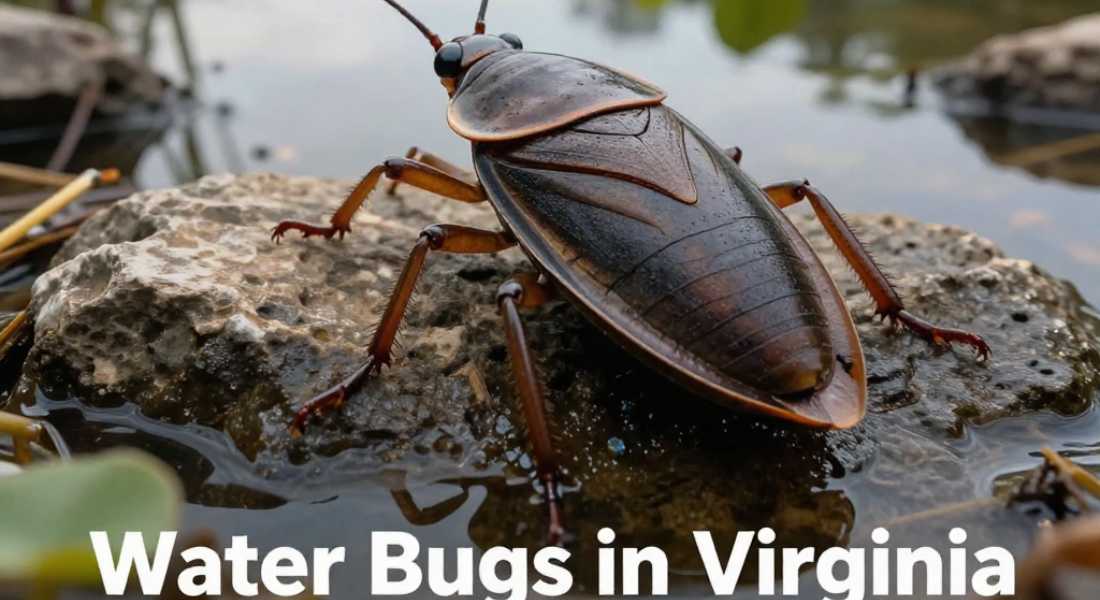
Water bugs are aquatic insects belonging to the Hemiptera order, specifically the Belostomatidae family. These creatures live primarily in freshwater environments like ponds, streams and marshes throughout Virginia.
True water bugs grow between 2 to 4 inches in length, making them one of the largest insects in North America.
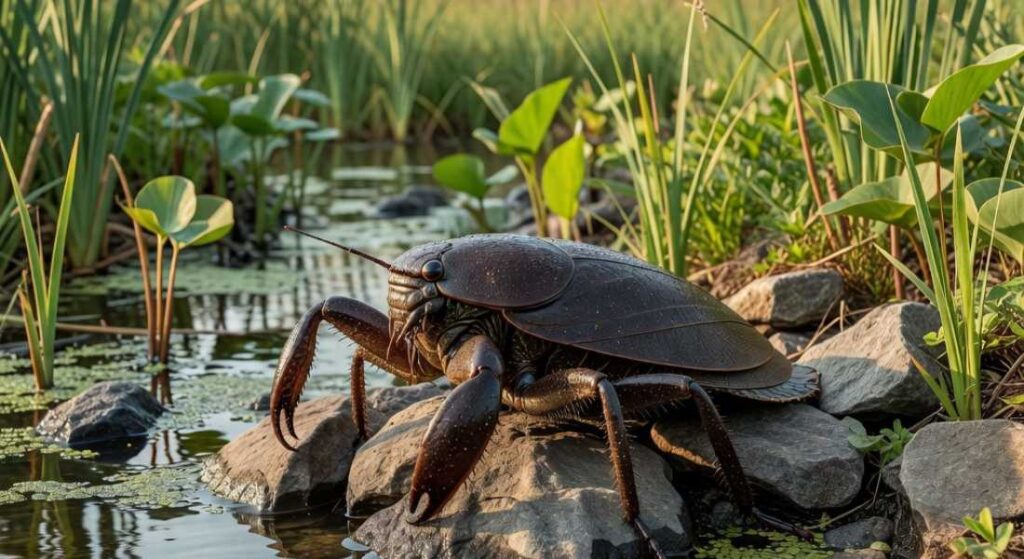
They have flat, oval-shaped bodies with powerful front legs designed for grasping prey. Their brown to dark gray coloration helps them blend into aquatic environments.
Physical Characteristics of Virginia Water Bugs
The giant water bug features distinctive paddle-like hind legs used for swimming. Their bodies appear leathery with a hardened exoskeleton that protects them from predators. Two short antennae extend from their heads, and they possess piercing mouthparts for feeding.
These insects have wings tucked beneath their protective shell. Many people wonder, do water bugs fly? The answer is yes. Adult water bugs can fly, especially during mating season when they search for new water sources or mates.
Differences Between Water Bugs and Cockroaches
Understanding the roach vs water bug pictures comparison helps with proper identification. Water bugs have significantly larger bodies than most cockroach species. Their front legs are designed for predation, while cockroaches have legs built for running.
True water bugs live in aquatic environments and are occasional home invaders. Cockroaches prefer to live indoors year-round and establish colonies in homes. The cockroach vs waterbug distinction matters because treatment methods differ significantly.
Common Water Bug Species Found in Virginia
Virginia hosts several species that residents commonly encounter. The giant water bug is the most recognizable due to its impressive size. These toe-biters earned their nickname from their painful defensive bite.
Giant water beetles share similar habitats but belong to a different insect order. They have a more streamlined body shape and typically measure smaller than true water bugs.
The Palmetto Bug Confusion in Virginia
Many Virginians ask about the palmetto bug in Virginia. Technically, palmetto bugs are American cockroaches common in southern states. The terms get confused because both insects are large and brown.
The palmetto bug vs water bug comparison shows distinct differences. Palmetto bugs are cockroaches that live in warm, humid indoor spaces. Water bugs are aquatic insects that occasionally wander indoors seeking moisture.
Understanding palmetto bugs vs water bugs helps you identify what’s actually in your home. Palmetto bugs establish breeding populations indoors, while water bugs are usually solitary intruders.
Why Water Bugs Enter Homes in Virginia
These aquatic insects don’t intentionally invade homes. They enter accidentally while searching for water or during seasonal migrations. Understanding where do water bugs come from helps prevent future encounters.
Common Entry Points
Water bugs in house situations typically occur through floor drains, especially in basements. They can squeeze through gaps around pipes and plumbing fixtures. Open windows and doors without proper screens provide easy access.
Cracks in foundations allow these insects to wander inside from nearby water sources. During dry periods, they may leave ponds or streams seeking moisture and accidentally enter homes.
Seasonal Patterns in Virginia
Water bugs in Virginia Beach and coastal areas become more noticeable during summer months. Warm weather increases their activity and reproductive behavior. Heavy rains can flood their natural habitats, forcing them to seek higher ground.
Spring and fall migrations bring these insects near residential areas. During these periods, house water bug sightings increase as the insects search for suitable overwintering sites or new breeding grounds.
Are Water Bugs Dangerous?
While intimidating, water bugs pose minimal health risks to humans. They don’t carry diseases like cockroaches do. However, they can deliver a painful defensive bite when handled or threatened.
Understanding the Giant Water Bug Bite
The toe-biter bug bite ranks among the most painful insect bites in North America. Their powerful mouthparts inject digestive enzymes that liquefy prey tissues. On human skin, this creates intense burning pain lasting several hours.
Most bites occur when people accidentally step on water bugs while walking barefoot near water. The insects may also bite if trapped against skin by clothing or bedding.
Treatment for Bites
Clean the affected area immediately with soap and water. Apply ice packs to reduce swelling and pain. Over-the-counter pain relievers help manage discomfort. Seek medical attention if you experience severe reactions or signs of infection.
What Kills Water Bugs Instantly
Several methods provide immediate elimination when you encounter these pests. Chemical insecticides labeled for crawling insects work effectively. Spray products containing pyrethroids knock down water bugs quickly.
Home Remedies for Water Bugs
Natural solutions offer safer alternatives for households with children and pets. What kills water bugs instantly home remedies include several options that work effectively.
Boiling water kills water bugs on contact. Pour it directly on the insect for immediate results. This method works best for insects found in sinks or bathtubs where hot water won’t damage surfaces.
Dish soap mixed with water in a spray bottle suffocates water bugs. The soap breaks down their protective coating and clogs breathing pores. Spray liberally until the insect stops moving.
Boric Acid Treatment
Boric acid for water bugs provides effective long-term control. This powder damages their exoskeleton and digestive system when they walk through it. Apply thin layers in areas where water bugs travel, like along baseboards and under sinks.
Keep boric acid away from food preparation areas and out of reach of children and pets. The powder works slowly but provides lasting protection.
How to Get Rid of Water Bugs in Your Home
Comprehensive elimination requires multiple strategies. Start by identifying and removing attractants. Fix leaky pipes and eliminate standing water sources that draw these insects indoors.
Inspection and Identification
Check all drains, especially floor drains in basements and garages. Inspect around water heaters, washing machines and other appliances with water connections. Look for gaps around pipes where they enter walls or floors.
Examine door sweeps and weather stripping for gaps. Check window screens for tears or loose fits. These entry points allow water bugs easy access to your home.
Exclusion Methods
Seal cracks in foundations with hydraulic cement or caulk. Install drain covers on floor drains to prevent insects from entering through plumbing. Replace damaged weather stripping and door sweeps.
Add screens to windows and vents. Use copper mesh to fill gaps around pipes and utility lines. These barriers prevent future invasions while allowing proper ventilation.
Water Bug Spray Applications
Commercial water bug spray products contain ingredients specifically formulated for large insects. Apply residual sprays around potential entry points. Focus on areas where plumbing enters the building and around exterior doors.
Spray along baseboards in basements and crawl spaces. Reapply according to product instructions for continued protection. Choose products labeled for both indoor and outdoor use for comprehensive coverage.
Natural Prevention Strategies
Environmental modifications make your home less attractive to water bugs. Reduce moisture levels throughout your property by fixing drainage issues. Clean gutters regularly to prevent water accumulation near foundations.
Landscape Management
Keep mulch, leaves and debris away from your home’s foundation. These materials retain moisture and provide hiding spots for various pests. Maintain a dry barrier zone extending at least one foot from exterior walls.
Trim vegetation that touches your home. Plants in contact with siding create bridges for insects to reach entry points. Ensure proper grading so water flows away from foundations.
Indoor Moisture Control
Use dehumidifiers in basements and crawl spaces. Maintain humidity levels below 50% to discourage pest activity. Fix leaky faucets and pipes promptly to eliminate water sources.
Improve ventilation in bathrooms and kitchens. Install exhaust fans if needed to remove excess moisture. These steps benefit overall home health while reducing pest attractiveness.
Professional Treatment Options
Severe or recurring infestations may require professional pest control services. Licensed technicians have access to commercial-grade products not available to homeowners. They can identify specific species and customize treatment plans.
When to Call an Exterminator
Contact professionals if you find multiple water bugs regularly despite your control efforts. Persistent problems may indicate breeding populations nearby or significant structural issues allowing entry.
Professional bed bug treatment at home services often handle various insects including water bugs. These companies use integrated pest management approaches combining chemical and non-chemical methods.
Treatment Cost Considerations
Bed bug treatment cost typically ranges higher than water bug control due to the complexity involved. Water bug elimination usually requires one or two service visits. Expect to pay between $150 to $400 depending on your home’s size and infestation severity.
Most effective bed bug treatment programs include follow-up visits and warranties. Ask about service guarantees and what they cover before signing contracts.
Distinguishing Water Bugs from Cockroaches
Proper identification determines the right treatment approach. Water bug roach confusion leads to inappropriate control methods and wasted money.
Visual Comparison
Looking at water bugs vs roaches side by side reveals obvious differences. True water bugs have oval, flattened bodies measuring 2 to 4 inches. Their front legs are thick and designed for grasping prey.
Cockroaches have more cylindrical bodies rarely exceeding 2 inches. Their legs are thin and built for rapid movement. Water bugs that look like roaches typically refer to Oriental cockroaches, which have similar dark coloring.
Behavioral Differences
Water bugs live solitary lives and don’t establish colonies in homes. Finding one usually means it wandered in accidentally. Cockroaches live in groups and actively seek indoor harborage sites.
Water roaches is a common misnomer for cockroaches found near water sources. True water bugs only enter homes temporarily and cannot complete their life cycle indoors without access to aquatic environments.
Emergency Response for Water Bug Encounters
Remaining calm during encounters helps you respond effectively. Water bugs move slowly on land compared to cockroaches. Their size makes them easy to trap without direct contact.
Safe Capture Methods
Place a large jar or container over the insect. Slide a piece of cardboard underneath to trap it inside. Transport the container outside and release the water bug far from your home.
Use tongs or grabbers to pick up water bugs if you prefer not to use containers. Avoid handling them directly to prevent defensive bites. Wear gloves if direct handling becomes necessary.
Preventing Panic
Remember that these insects are more afraid of you than you are of them. They don’t attack humans and only bite when defending themselves. Understanding their behavior reduces fear and allows rational responses.
What chemical kills bed bugs and their eggs also works on water bugs, but overkill isn’t necessary. Simple mechanical removal often suffices for occasional intruders.
Understanding Water Bug Biology
These fascinating insects play important ecological roles in Virginia’s aquatic ecosystems. They control populations of mosquito larvae, small fish and other aquatic organisms. Understanding their biology helps explain why they occasionally appear in homes.
Life Cycle and Reproduction
Female water bugs lay eggs on aquatic vegetation or in some species, on the male’s back. Nymphs hatch and develop through several molts before reaching adulthood. The entire cycle occurs in water, making homes unsuitable for reproduction.
This biological fact explains why finding one water bug rarely indicates an infestation. They’re simply lost individuals seeking their way back to water.
Feeding Habits
Water bugs are voracious predators feeding on insects, tadpoles and small fish. Their piercing mouthparts inject enzymes that dissolve prey tissues. They then suck out the liquified contents.
This feeding strategy makes them effective pest controllers in ponds and streams. They help maintain balanced aquatic ecosystems throughout Virginia.
Long-Term Prevention for Virginia Homes
Sustainable pest management focuses on exclusion and environmental modification. These strategies provide lasting protection without ongoing chemical applications.
Structural Maintenance
Conduct annual inspections of your home’s exterior. Look for new cracks, gaps or damage that creates entry points. Address issues promptly before they allow pest access.
Maintain plumbing systems in good repair. Leaks attract various pests seeking moisture. Regular maintenance prevents the conditions that draw water bugs indoors.
Creating Barriers
Install screens on crawl space vents. Use foam sealants rated for pest exclusion around pipes and cables. Apply door sweeps with tight seals to exterior doors.
These physical barriers work indefinitely without reapplication. They protect against water bugs and numerous other pests simultaneously.
Home Remedies vs Professional Solutions
Choosing between DIY methods and professional services depends on several factors. Consider the frequency of encounters, your comfort level with pest control and your budget.
When Home Remedies Work Best
How to get rid of water bugs home remedy approaches work well for occasional intruders. Simple exclusion and sanitation often prevent future problems without chemical treatments.
15 home remedies for bed bugs typically prove more challenging than water bug solutions because bed bugs infest homes while water bugs don’t. Water bugs respond well to basic preventive measures and mechanical removal.
Professional Advantages
Licensed technicians identify conducive conditions you might miss. They access products with longer residual effects than retail options. Professional services include warranties and follow-up visits ensuring complete resolution.
For persistent problems or peace of mind, professional treatment provides comprehensive solutions. Technicians can also inspect for related pest issues during service visits.
Regional Considerations for Virginia Residents
Different areas of Virginia experience varying water bug pressures. Coastal regions like Virginia Beach see more activity due to abundant wetlands and water features.
Coastal Areas
Water bugs Virginia Beach residents encounter often come from nearby tidal marshes and retention ponds. Seasonal flooding increases encounters as insects seek higher ground.
Coastal homes should emphasize exclusion since eliminating nearby water sources proves impossible. Focus on sealing entry points and maintaining dry interior conditions.
Inland Regions
Virginia water bug encounters in inland areas typically relate to streams, ponds and drainage systems. Development near water bodies increases the likelihood of occasional home invasions.
Proper landscaping and drainage management minimize attractiveness to wandering water bugs. Ensure downspouts direct water away from foundations.
FAQs
Can water bugs fly into my home?
Yes, can water bugs fly is a common question with a definitive answer. Adult water bugs are capable fliers, especially during warm summer months. They may fly toward lights at night and accidentally enter through open doors or windows. Installing screens and turning off exterior lights reduces this risk significantly.
What’s the difference between a palmetto bug and a water bug?
The water bug vs palmetto bug comparison reveals they are completely different insects. Palmetto bugs are American cockroaches that live in homes and establish breeding populations. Water bugs are aquatic insects that occasionally wander indoors but cannot survive long-term without access to water. Palmetto bugs require bed bug treatment ointment and professional pest control, while water bugs need only exclusion and removal.
How can you get rid of water bugs permanently?
Permanent elimination focuses on exclusion rather than extermination. Seal all entry points including gaps around pipes, cracks in foundations and damaged screens. Eliminate moisture problems like leaky plumbing and poor drainage. Since water bugs don’t breed indoors, preventing entry solves the problem long-term without ongoing treatments.
Do I need the same treatment for water bugs and cockroaches?
No, treatment approaches differ significantly. What kills bed bugs instantly and what kills water bugs instantly may overlap, but comprehensive strategies vary. Cockroaches require systematic elimination including baits, growth regulators and residual sprays targeting their breeding populations. Water bugs need only mechanical removal and exclusion since they don’t establish colonies indoors.
Are water bugs a sign of a dirty home?
Absolutely not. Water bugs in Virginia homes have nothing to do with cleanliness. These aquatic insects enter accidentally while searching for water or during seasonal migrations. Even immaculately maintained homes near water sources may experience occasional water bug visits. Focus on exclusion and moisture control rather than intensive cleaning.
What should I do if I get bitten by a toe-biter?
Clean the toe-biter bug bite area immediately with soap and water. Apply ice to reduce swelling and pain. Take over-the-counter pain medication if needed. Most bites heal without complications within 24 to 48 hours. Seek medical attention if you notice signs of infection or experience severe allergic reactions.
Conclusion
Water bugs in Virginia represent impressive aquatic insects that occasionally wander into homes while seeking moisture or during seasonal migrations. Unlike cockroaches, these creatures don’t infest buildings or pose significant health risks beyond their defensive bite.
Effective management combines proper identification, exclusion techniques and moisture control. Simple home remedies work well for occasional encounters, while persistent problems may benefit from professional assessment. Understanding these insects reduces fear and enables appropriate responses.
By sealing entry points, eliminating moisture sources and maintaining your home’s exterior, you create an environment that naturally discourages water bug intrusions. Remember that finding one of these impressive insects doesn’t indicate a dirty home or serious pest problem. With the strategies outlined in this guide, you can confidently handle any water bug encounter and prevent future visits.

Mateen Cee is a dedicated pest control writer who specializes in cockroach identification, prevention, and removal techniques. He creates clear, practical content to help homeowners manage infestations effectively and maintain a clean, pest-free environment with simple, reliable solutions.