

Introduction
Fleas vs ticks represent two of the most common parasitic threats that pet owners face throughout the year.
While both are blood-feeding parasites that can infest your pets and home, they differ significantly in appearance, behavior, life cycle, and the diseases they transmit.
Understanding these differences is essential for choosing the right prevention methods and protecting both your pets and family members from potential health complications.
This comprehensive guide breaks down everything you need to know about these parasites, from identification to treatment and prevention strategies that actually work.
Understanding the Basic Differences
The fundamental distinction between these two parasites lies in their biology and feeding behavior. Fleas are tiny, wingless insects that jump from host to host and can infest your entire home.
They reproduce rapidly, with a single flea laying up to 50 eggs daily. Ticks, however, are arachnids related to spiders and mites. They cannot jump or fly but instead wait on vegetation to latch onto passing animals or humans.
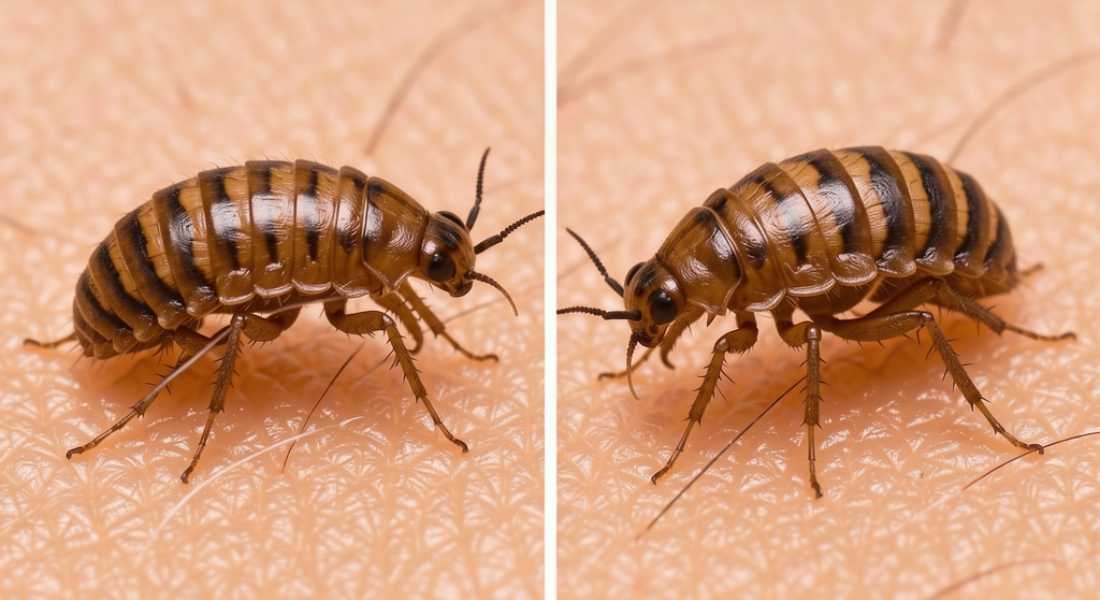
Fleas measure about 1 to 3 millimeters in length, appearing as dark brown or reddish-brown specks. Their flattened bodies allow them to move easily through fur.
Ticks are generally larger, ranging from 3 to 5 millimeters before feeding and can swell to several times their size after consuming blood.
Physical Characteristics
Fleas have powerful hind legs designed for jumping impressive distances, up to 150 times their body length. Their hard, polished bodies make them difficult to crush.
When examining your pet, you might see fleas moving quickly through the fur or notice flea dirt, which looks like tiny black pepper specks.
Ticks have eight legs and a tear-shaped body that becomes engorged and grayish when filled with blood. They attach firmly to the skin using specialized mouthparts, often remaining in one spot for several days while feeding.
Life Cycle Patterns
The flea life cycle includes four stages: egg, larva, pupa, and adult. This complete cycle can occur in as little as two weeks under ideal conditions, which explains why flea infestations can explode so quickly in your home.
Adult fleas live on your pet, while eggs, larvae, and pupae develop in carpets, bedding, and furniture.
Ticks follow a different pattern, progressing through three life stages: larva, nymph, and adult. Each stage requires a blood meal before molting to the next stage. Unlike fleas, ticks spend most of their life in the environment rather than on hosts.
Health Risks and Disease Transmission
Both parasites pose serious health threats, but the diseases they carry differ substantially. Recognizing these risks helps prioritize prevention and early treatment.
Diseases from Fleas
Fleas transmit several conditions including tapeworms, bartonellosis (cat scratch disease), and in rare cases, murine typhus. The most immediate concern for most pets is flea allergy dermatitis, where animals develop severe allergic reactions to flea saliva.
This causes intense itching, hair loss, and skin infections. Heavy flea infestations can also cause anemia, particularly in young or small animals.
When considering if can humans get fleas, the answer is yes, though human flea infestations are less common.
Cat ticks and fleas can bite humans, causing itchy, red bumps typically around ankles and legs. While can fleas live on humans is a frequent concern, these parasites prefer animal hosts and cannot complete their life cycle on human blood alone.
Diseases from Ticks
Ticks are notorious for transmitting serious diseases including Lyme disease, Rocky Mountain spotted fever, ehrlichiosis, and anaplasmosis.
These conditions can cause severe illness in both pets and humans if left untreated. Lyme disease symptoms include fever, joint pain, lameness, and fatigue. Some tick species also cause tick paralysis through toxins in their saliva.
The risk of disease transmission increases the longer a tick remains attached. Most pathogens require 24 to 48 hours of attachment before transmission occurs, making prompt removal crucial.
Identifying Infestations
Early detection prevents minor problems from becoming major infestations. Each parasite leaves distinct signs that alert pet owners to their presence.
Signs of Flea Problems
Watch for excessive scratching, biting, or licking, especially around the tail base, groin, and neck.
Part your pet’s fur and look for small, dark insects scurrying away or tiny black specks of flea dirt. You can confirm flea dirt by placing it on a damp white paper towel; it will turn reddish-brown as the digested blood dissolves.
Fleas in house become evident when you notice small jumping insects on light-colored surfaces or feel bites on your own ankles and feet. Check pet bedding, carpets, and upholstered furniture carefully.
Signs of Tick Attachment
Ticks and fleas on dogs appear differently during inspection. Run your hands over your pet’s body, feeling for small bumps.
Pay special attention to areas around the ears, neck, between toes, and under the legs. Ticks feel like small, firm bumps and become easier to spot as they engorge with blood.
After outdoor activities in wooded or grassy areas, thoroughly check both your pets and yourself. Ticks often crawl for some time before finding a suitable attachment site.
Treatment Approaches
Addressing infestations requires different strategies depending on which parasite you’re dealing with. Effective treatment combines immediate relief with long-term prevention.
Treating Flea Infestations
Dog flea treatment and fleas and ticks on cats treatment both require comprehensive approaches. Start with a veterinarian-approved flea medicine for dogs or cats that kills adult fleas quickly. Modern flea meds for dogs work within hours and continue protecting for 30 days or longer.
However, treating your pet alone won’t solve the problem. Since 95% of the flea population exists as eggs, larvae, and pupae in your environment, you must also address how to get rid of fleas in your house.
Wash all bedding in hot water, vacuum thoroughly including furniture and baseboards, and consider using premise sprays or foggers for severe infestations.
For fleas and ticks on dogs treatment specifically, many products offer combined protection. These flea and tick medicine for dogs eliminate both parasites simultaneously, simplifying your prevention routine.
Removing and Preventing Ticks
For dog tick and flea treatment, removal technique matters significantly. Use fine-tipped tweezers to grasp the tick as close to the skin as possible.
Pull upward with steady, even pressure without twisting. Never squeeze the tick’s body, as this can inject bacteria into the bloodstream.
After removal, clean the bite area with antiseptic and save the tick in rubbing alcohol in case your pet develops symptoms requiring species identification. Apply a tick and flea treatment for dogs that repels ticks before they attach, providing the best protection.
Bite Treatment for Humans
Understanding how to treat flea bites on humans helps manage discomfort. Clean the affected area with soap and water, then apply anti-itch cream or calamine lotion. Avoid scratching, which can lead to secondary infections.
For more information on distinguishing between different insect bites, research flea vs bed bug bites characteristics, as bed bug vs flea bites often confuse people.
If you’re uncertain whether your bites come from fleas or other pests, note that flea bites on humans typically appear in clusters or lines, particularly on lower legs and feet.
Comparing lice vs fleas or lice or fleas helps eliminate other possibilities, as lice remain close to the scalp and don’t jump like fleas do.
Prevention Strategies
Preventing infestations proves far easier than eliminating established populations. Consistent preventive measures protect your household year-round.
Medication Options
Modern flea tick prevention for dogs comes in several forms including topical treatments, oral medications, and collars.
Topical products applied between shoulder blades work well for pets that resist taking pills. Oral medications circulate through the bloodstream, killing parasites when they bite.
Treatment for ticks and fleas on dogs should continue throughout the year in most climates, as mild winters no longer kill off parasite populations completely. Consult your veterinarian about which products work best in your geographic area and for your pet’s specific needs.
Environmental Management
Regular vacuuming removes flea eggs and larvae from carpets and furniture. Dispose of vacuum bags immediately or empty canisters outside to prevent parasites from escaping back into your home. Wash pet bedding weekly in hot water and dry on high heat.
For outdoor areas, keep grass trimmed short and remove leaf litter where ticks hide. Create a barrier of wood chips or gravel between wooded areas and your lawn to reduce tick migration. Consider professional yard treatments during peak tick season.
Routine Inspections
Make checking your pets part of your daily routine, especially after outdoor activities. Run your hands through their fur, feeling for bumps or seeing fleas. Early detection allows immediate treatment before infestations establish.
When hiking or walking in wooded areas, wear long pants tucked into socks and use insect repellent containing DEET or picaridin. Conduct thorough tick checks on yourself, children, and pets when returning home.
Common Misconceptions
Several myths about these parasites persist, leading to ineffective treatment approaches or unnecessary worry.
Flea Myths
Some people believe that can fleas survive on humans or wonder do fleas live on humans long-term.
While fleas bite humans and can fleas live on humans temporarily, they cannot reproduce using human blood alone. Human infestations remain rare and typically resolve once the animal source is treated.
Another misconception involves confusing fleas bites with other pests. Questions like flea vs bed bug frequently arise.
Unlike bed bugs, which hide in mattresses and furniture, fleas jump actively and prefer animal hosts. Tiny bed bugs and bedroom bugs require different treatment approaches than fleas, so proper identification matters.
Tick Myths
Many believe ticks fall from trees onto hosts, but they actually quest from low vegetation, typically no higher than knee level.
The idea that burning or smothering ticks helps with removal is also false and potentially dangerous, as it may cause the tick to regurgitate bacteria into the wound.
Some assume ticks only pose risks during summer, but certain species remain active whenever temperatures rise above freezing. Year-round prevention provides the best protection.
Comparing Related Pests
Understanding how these parasites differ from similar pests helps with proper identification and treatment selection.
Fleas vs Lice
When comparing fleas vs lice, remember that lice are species-specific parasites that cannot transfer between humans and animals.
They move slowly and remain close to the scalp, laying eggs (nits) on hair shafts. Fleas jump readily and infest the entire body and environment.
Fleas vs Bed Bugs
The flea vs bed bug comparison reveals distinct differences. Bed bugs are reddish-brown, oval insects that hide in mattresses, box springs, and furniture, emerging at night to feed.
They cannot jump and leave characteristic bite patterns in lines or clusters on the upper body. Examining bedbug versus flea bite patterns helps determine which pest you’re dealing with. Can you see bed bugs is a common question; while visible to the naked eye, they hide expertly in tiny crevices.
How do you get bed bugs typically involves travel or secondhand furniture, while flea infestations usually start with pets. Bug bed problems and bugs in beds require professional pest control and different treatment protocols than fleas.
Professional Help
Some situations warrant professional intervention beyond over-the-counter products and home remedies.
When to Call a Veterinarian
If your pet shows signs of severe allergic reactions, anemia from blood loss, or symptoms of tick-borne disease, seek veterinary care immediately. Your vet can prescribe stronger medications and run tests to identify transmitted diseases early when treatment proves most effective.
Pets with compromised immune systems, very young animals, or pregnant females need professional guidance for safe parasite control that won’t harm their health.
Pest Control Services
Severe flea infestations that don’t respond to home treatment may require professional pest control services. These experts use stronger chemicals and have equipment to treat hard-to-reach areas where parasites hide. They can also provide follow-up treatments to break the flea life cycle completely.
For persistent tick problems in your yard, professional outdoor treatments create safer spaces for family activities and reduce the risk of tick encounters.
FAQs
What is the main difference between fleas vs ticks?
Fleas are jumping insects that infest homes and reproduce rapidly on pets, while ticks are arachnids that attach firmly to skin and transmit serious diseases like Lyme disease. Fleas cause itching and allergic reactions, whereas ticks pose greater disease transmission risks.
Can dog fleas live on humans permanently?
No, while can dog fleas live on humans temporarily and bite for blood meals, they cannot complete their life cycle on humans. Fleas prefer animal hosts with fur and will fleas live on humans only until they can find a suitable pet host.
How do I know if I have fleas in house or bed bugs?
Fleas jump and cause bites mainly on lower legs and ankles, leaving behind black flea dirt. Bed bugs cannot jump, hide in mattresses and furniture, and cause bites in lines or clusters on the upper body. Examining bite locations and searching for the pests themselves helps distinguish between them.
What kills fleas most effectively?
Veterinary-prescribed flea medicine for dogs and cats combined with thorough home cleaning provides the most effective approach. Modern flea and tick medicine for dogs kills adult fleas quickly while preventing new infestations for 30 days or longer.
How to get rid of fleas in the house fast?
Treat all pets simultaneously with effective flea medication, vacuum all floors and furniture daily, wash bedding in hot water, and use premise sprays for severe infestations. This comprehensive approach addressing both pets and environment eliminates fleas and ticks on cats and dogs within weeks.
Are ticks and fleas on dogs treatable at home?
Yes, most cases of fleas and ticks on dogs treatment can be managed at home using veterinary-approved products. However, if your dog shows signs of tick-borne illness or severe flea allergy, consult your veterinarian for professional treatment.
Do I need different treatments for fleas and ticks in dogs?
Many modern products offer combined protection. Flea tick prevention for dogs typically comes as single medications that eliminate both parasites, simplifying your pet care routine while providing comprehensive protection.
How to treat flea bites on humans effectively?
Clean bites with soap and water, apply anti-itch cream or calamine lotion, and avoid scratching. Most flea bite treatment focuses on symptom relief as bites typically heal within days once the infestation is controlled.
Conclusion
Understanding the key differences between these two common parasites empowers you to protect your pets and family effectively. While fleas create rapid infestations in your home requiring comprehensive environmental treatment, ticks pose serious disease risks demanding prompt removal and year-round prevention.
Both parasites require consistent preventive measures, regular pet inspections, and immediate action when detected. By implementing the strategies outlined in this guide, you can maintain a parasite-free household and ensure your pets remain healthy and comfortable throughout the year.
Remember that prevention always proves easier and less expensive than treating established infestations, making year-round protection your best investment in pet and family health.

Mateen Cee is a dedicated pest control writer who specializes in cockroach identification, prevention, and removal techniques. He creates clear, practical content to help homeowners manage infestations effectively and maintain a clean, pest-free environment with simple, reliable solutions.