
Introduction
Yellow jacket vs hornet confusion affects countless people who encounter these aggressive stinging insects in their yards and outdoor spaces. While both belong to the wasp family, understanding their distinct characteristics can help you avoid painful encounters and respond appropriately when you spot a nest near your home.
These stinging insects cause thousands of emergency room visits annually. Knowing how to identify each species and understanding their behavior patterns gives you the knowledge needed to protect yourself and your family during peak activity seasons.
Understanding the Basics: What Are These Insects?
Before diving into specific comparisons, it’s helpful to understand what we’re dealing with. Both species belong to the Vespidae family, making them social wasps that live in colonies with complex hierarchies.
A wasp is a general term for thousands of flying insects with slender bodies and narrow waists. Within this broad category, hornets and yellowjackets represent specific groups with unique traits. Paper wasps, another common type, build distinctive umbrella-shaped nests and generally show less aggression than their cousins.
The Yellow Jacket Profile
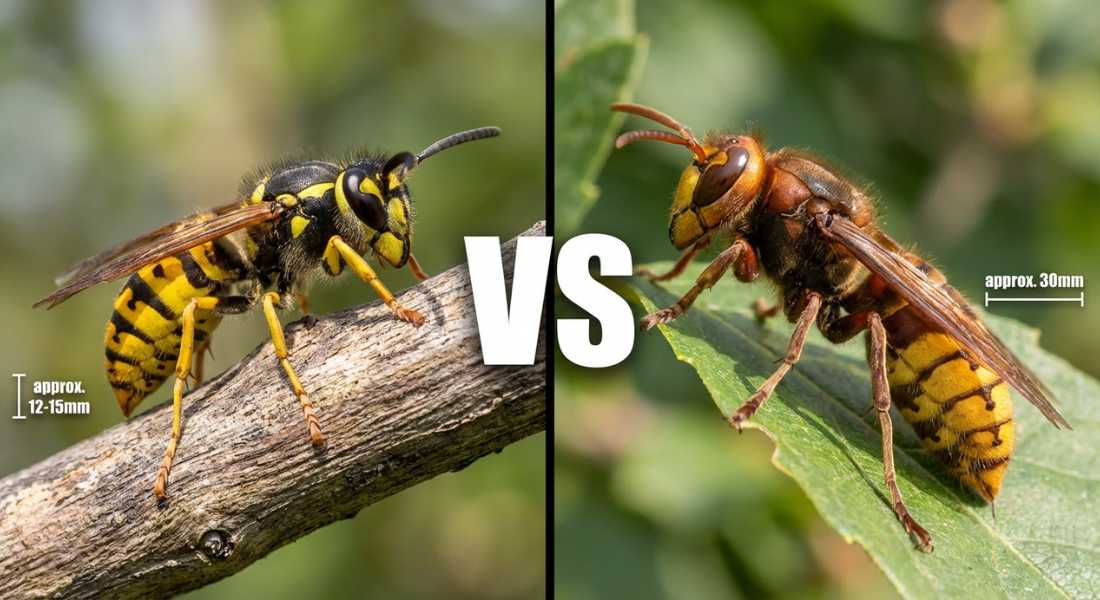
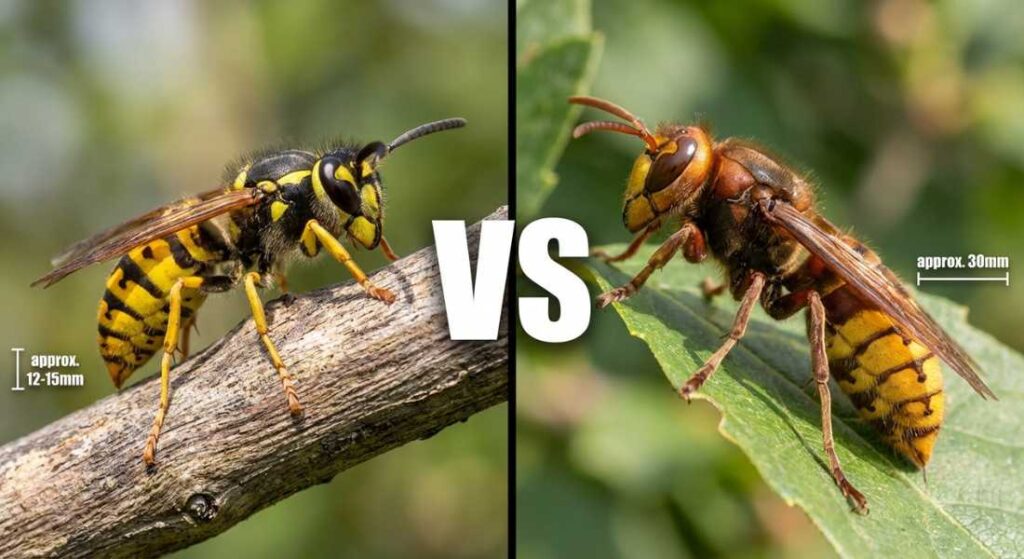
The yellow jacket wasp displays bold black and yellow striping patterns that serve as nature’s warning signal. These insects typically measure between 10 to 16 millimeters in length, making them smaller than most hornet species but no less formidable.
Their nests often appear in ground cavities, wall voids, or protected spaces around buildings. A mature colony can house thousands of workers by late summer, increasing the likelihood of defensive encounters.
The Hornet Identity
Hornets generally exceed yellowjackets in size, with some species reaching 25 to 35 millimeters long. The European hornet, common in North America, features brown and yellow coloring rather than the stark black and yellow pattern of yellowjackets.
What does a hornet nest look like? These structures typically hang from trees, eaves, or other elevated locations. The papery exterior has a distinctive football or teardrop shape, often with visible entrance holes near the bottom. Hornet nests can grow quite large, sometimes reaching basketball size by season’s end.
Physical Differences Between Species
Size represents the most obvious distinction when comparing these insects. Are hornets bigger than yellowjackets? Yes, significantly so in most cases. This size advantage makes hornets appear more intimidating, though both species deserve respectful distance.
Color patterns offer another identification clue. The yellowjacket insect sports bright lemon-yellow bands against jet black, creating high contrast. Hornets display more muted tones, often incorporating brown, reddish-brown, or mahogany shades alongside their yellow markings. Some people mistakenly call certain hornet species “mahogany wasps” due to their distinctive coloring.
Body shape differs slightly as well. Hornets tend to have more robust, thicker bodies compared to the sleeker profile of yellowjackets. This difference becomes more apparent when viewing them side by side.
Behavioral Patterns and Aggression Levels
Temperament varies considerably between these species. Yellow jackets earn their reputation as highly defensive insects that readily attack perceived threats to their colony. They patrol their territory actively and respond to disturbances with multiple stinging attacks.
What is the most aggressive, bee or wasp? Among common stinging insects, yellowjackets typically show the highest aggression levels, surpassing most bee species and even outpacing paper wasps in defensive behavior. Their willingness to pursue intruders over considerable distances makes them particularly problematic around human activity.
Hornets display territorial behavior but generally prove less aggressive than yellowjackets unless their nest faces direct threat. They typically ignore humans who maintain respectful distances from their nesting sites. However, disturbing a hornet’s nest triggers intense defensive responses from the entire colony.
Foraging Behavior
Diet preferences shape where you’ll encounter each species. Yellowjackets act as opportunistic scavengers, appearing at picnics, barbecues, and outdoor dining areas. Their attraction to sugary drinks, meats, and other human foods brings them into frequent contact with people during late summer months.
Hornets primarily hunt other insects, including flies, bees, and even other wasp species. This predatory lifestyle means they spend less time around human food sources, reducing casual encounters.
Nesting Habits and Colony Structure
Understanding where these insects build their homes helps you avoid dangerous situations. The paper wasp nest, yellowjacket colony, and hornet’s nest each have distinctive features worth recognizing.
Yellow Jacket Nesting Sites
These adaptable insects choose diverse locations for colony establishment. Underground nests in abandoned rodent burrows rank among the most common sites, creating hidden hazards for gardeners and lawn maintenance workers. Wall voids, attics, and crawl spaces also attract nest-building queens in spring.
A mature yellowjackets wasp colony operates like a bustling city, with worker populations peaking in August and September. This timing explains why late summer brings increased encounters and stinging incidents.
Hornet Nest Characteristics
What do hornet nests look like in different settings? The papery construction material comes from chewed wood fibers mixed with saliva, creating a sturdy weatherproof shell. The exterior typically appears gray or tan with visible horizontal striping patterns.
Location preferences lean toward protected elevated spots. Tree branches, building eaves, and porch ceilings provide ideal attachment points. Unlike yellowjacket underground colonies, these aerial structures remain visible, offering advance warning to observant homeowners.
Stinging Capability and Venom Comparison
Both species possess potent defensive weapons. Are yellow jackets venomous? Absolutely. Their venom contains proteins and compounds designed to cause pain and deter predators. The yellow jacket stinger has a smooth design allowing multiple stings from a single insect, unlike honeybees that die after one sting.
Do yellow jackets bite and sting? They primarily rely on their stingers for defense, though their mandibles can pinch skin during aggressive encounters. The distinction matters less to victims experiencing painful attacks.
Which Sting Hurts More?
Which sting is worse, yellow jacket or hornet? Pain levels vary based on individual sensitivity, but hornet stings generally register as more painful due to larger venom volumes per sting. Their bigger bodies and more substantial stingers deliver more venom in each injection.
However, yellowjackets compensate for smaller individual stings through sheer numbers. A disturbed colony sends dozens of defenders, each capable of stinging multiple times. Yellow jacket sting pictures often show multiple welts clustered together, evidence of mass defensive attacks.
The yellow jacket bite comparison becomes academic when facing multiple attackers. Pain intensity matters less than the cumulative effect of numerous stings in rapid succession.
Identifying Sting Reactions
Pictures of yellow jacket stings reveal varying reaction patterns. Most people experience localized redness, swelling, and burning pain at sting sites. These symptoms typically peak within hours and gradually subside over several days.
Severe reactions require immediate medical attention. Warning signs include difficulty breathing, rapid swelling beyond the sting site, dizziness, or nausea. These symptoms might indicate allergic reactions requiring emergency intervention.
How to Treat a Yellow Jacket Sting
Immediate response steps help minimize discomfort. Wash the affected area with soap and water to prevent infection. Apply ice packs for 15-minute intervals to reduce swelling and numb pain receptors.
Over-the-counter antihistamines help control allergic responses and itching. Pain relievers like ibuprofen or acetaminophen address discomfort. Hydrocortisone cream applied topically reduces inflammation and speeds healing.
How to treat yellow jacket sting complications depends on reaction severity. Monitor sting sites for signs of infection including increased redness, warmth, or pus formation. Seek medical evaluation if symptoms worsen rather than improve over 24 to 48 hours.
Comparison with Other Stinging Insects
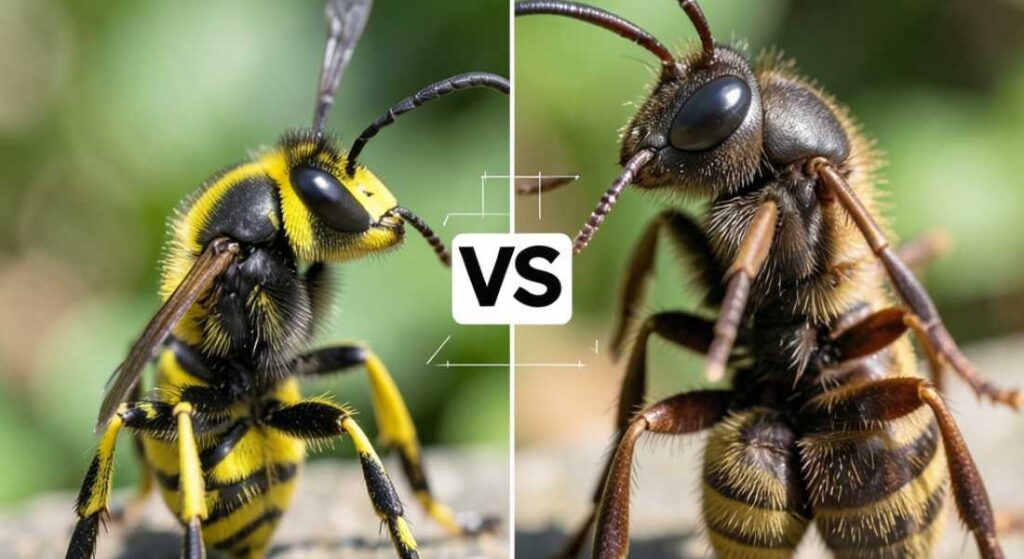
The wasp vs hornet vs yellow jacket discussion expands when including other common species. Understanding these relationships clarifies identification challenges.
Wasps vs Bees vs Hornets
Bee vs wasp vs hornet comparisons reveal fundamental differences. Bees typically display fuzzy bodies adapted for pollen collection, gentler dispositions, and valuable pollination services. Most bee species can only sting once before dying, making them far less aggressive than wasps.
The hornet vs wasp vs bee hierarchy places hornets at the top for size, wasps in the middle for diversity, and bees as the most beneficial for ecosystems. Each group fills distinct ecological roles despite their similar appearance to casual observers.
Paper Wasp Distinctions
Paper wasps build exposed comb nests without protective envelopes, unlike the enclosed structures of hornets and yellowjackets. These nests resemble upside-down umbrellas attached to eaves, branches, or other horizontal surfaces.
Paper wasps sting when threatened but show considerably less aggression than yellowjackets. Their slender bodies and long dangling legs create an elegant appearance compared to the stockier build of other wasp species. The wasp paper construction method creates delicate but functional nurseries for developing larvae.
Safety Tips and Prevention Strategies
Avoiding painful encounters requires awareness and proactive measures. Inspect your property regularly during spring and early summer when queens establish new colonies. Early detection allows for easier nest removal before populations explode.
Seal potential entry points around your home’s exterior. Fill ground holes, repair damaged siding, and screen vents to discourage nest establishment in wall voids and attics. Remove attractants like uncovered garbage, fallen fruit, and outdoor pet food that draw scavenging yellowjackets.
Managing Nests Safely
Professional pest control services offer the safest option for established colonies. Attempting DIY removal of active nests risks triggering mass defensive attacks, especially with species like the yellow jacket hornet that defend aggressively.
If you must address a small early-season nest yourself, work during cool evening hours when insects are less active. Wear protective clothing covering all exposed skin. Plan your escape route before approaching. Aerosol wasp sprays provide distance but read instructions carefully regarding application timing and safety precautions.
Ecological Roles and Benefits
Despite their fearsome reputations, both species provide valuable ecosystem services. Hornets control pest insect populations, consuming large quantities of flies, caterpillars, and other garden nuisances. A single colony eliminates thousands of potential crop pests during the growing season.
Yellowjackets serve as nature’s cleanup crew, scavenging dead insects and other protein sources. This recycling service helps break down organic matter and reduces populations of disease-carrying flies.
Understanding their beneficial roles doesn’t mean tolerating nests in high-traffic areas, but it does encourage thoughtful coexistence when colonies establish in isolated locations away from human activity.
FAQs
Which sting is worse, yellow jacket or hornet?
Hornet stings typically cause more immediate pain due to larger venom quantities per sting. However, yellow jacket vs hornet sting severity depends more on the number of stings received. Yellowjackets attack in greater numbers and sting repeatedly, potentially creating worse overall experiences despite individually less painful stings.
Are hornets bigger than yellowjackets?
Yes, hornets consistently exceed yellowjackets in size. Most hornet species measure 25 to 35 millimeters long while yellowjackets range from 10 to 16 millimeters. This size difference makes hornets appear more intimidating but doesn’t necessarily correlate with aggression levels.
Are yellow jackets venomous?
Yes, the yellowjacket wasp produces venom containing proteins and enzymes designed to cause pain and tissue damage. Their smooth stingers allow repeated stinging, delivering multiple venom doses during defensive encounters. This capability makes them particularly dangerous to allergic individuals.
What is the most aggressive, bee or wasp?
Among common stinging insects, yellowjackets display the highest aggression levels. They defend their colonies vigorously, pursue perceived threats over long distances, and attack in coordinated groups. Most bee species show far less aggression and only sting when directly threatened or trapped.
How can I tell if I found a hornet nest or yellowjacket colony?
What do hornet nests look like compared to yellowjacket colonies? Hornet nests hang above ground with distinctive papery football shapes, typically in trees or under eaves. Yellowjacket colonies often hide underground or in wall voids with only small entrance holes visible. Observing insect traffic patterns helps identify hidden yellowjacket nests.
Can I remove a small nest myself?
Small early-season nests with minimal activity might be manageable with proper precautions. Work during cool evenings, wear protective clothing, and maintain an escape route. However, established colonies with dozens or hundreds of workers require professional removal to avoid dangerous mass stinging incidents.
Conclusion
Understanding the yellow jacket vs hornet differences empowers you to identify these insects accurately, assess threat levels appropriately, and respond effectively to encounters. While both species deserve cautious respect, their distinct characteristics influence how you should handle nests on your property.
Size, coloring, nesting preferences, and behavioral patterns all provide identification clues. Remember that hornets generally grow larger and build aerial nests while yellowjackets often nest underground and show higher aggression around food sources.
Prevention through property maintenance and early detection offers the best protection for your family. When colonies establish in problematic locations, professional removal provides the safest solution. By learning these distinctions and applying practical prevention strategies, you can enjoy outdoor spaces while minimizing risks from these impressive but potentially dangerous insects.

Mateen Cee is a dedicated pest control writer who specializes in cockroach identification, prevention, and removal techniques. He creates clear, practical content to help homeowners manage infestations effectively and maintain a clean, pest-free environment with simple, reliable solutions.