

Introduction
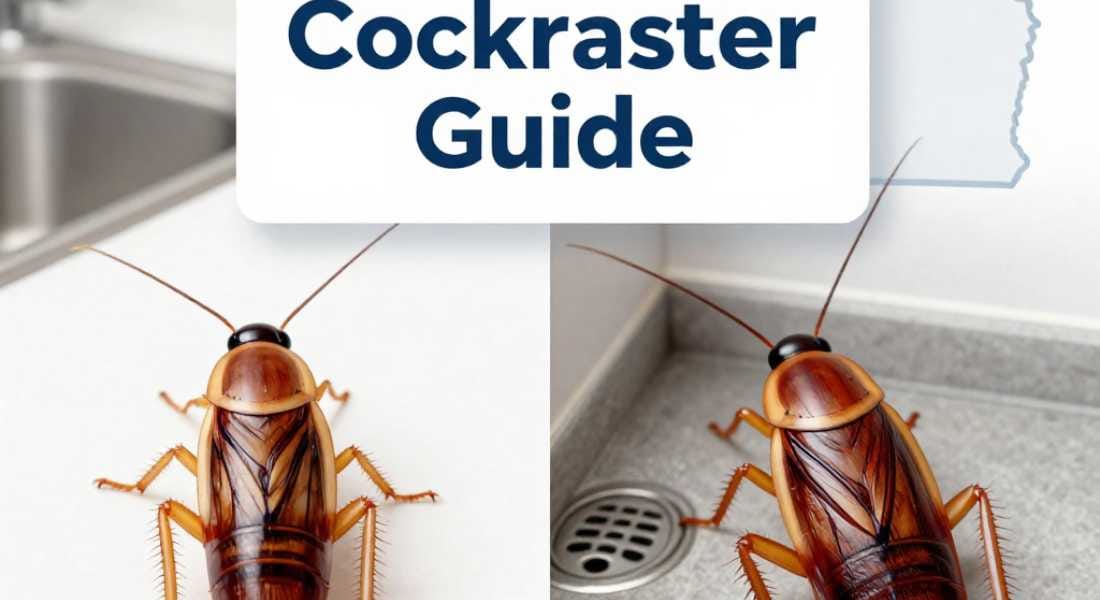
Kansas cockroaches are a persistent problem for homeowners and businesses throughout the state. These resilient pests thrive in the region’s climate and can quickly establish colonies inside structures if left unchecked.
Understanding the species present in your area and knowing how to identify and eliminate them is essential for maintaining a healthy living environment.
This comprehensive guide covers everything you need to know about cockroach problems in the Sunflower State. You’ll learn about the most common species, how they enter homes, effective removal strategies, and prevention methods that actually work.
Understanding Cockroaches in Kansas
The state experiences cockroach activity throughout the year due to its moderate climate and urban development. While winter temperatures slow outdoor populations, indoor infestations remain constant regardless of season.
Several factors contribute to roach problems across the region. The combination of humid summers, accessible food sources, and abundant hiding spots in residential and commercial buildings creates ideal conditions for these pests to multiply rapidly.
Common Species Found in the Region
The types of roaches in Kansas include both native and invasive species. The German cockroach is the most problematic indoor pest, preferring warm, humid environments like kitchens and bathrooms.
These small, tan-colored insects reproduce extremely quickly and can infest an entire building within weeks.
American cockroaches are the largest species commonly encountered. Despite their name, they’re not native to North America but have established populations throughout the state. These reddish-brown pests typically live in basements, sewers, and crawl spaces.
Oriental cockroaches prefer cool, damp areas and often enter homes through floor drains and foundation cracks. Brown-banded cockroaches are less common but can infest bedrooms and living areas, unlike other species that prefer kitchens.
How Kansas City Cockroaches Differ from Rural Areas
Kansas City cockroaches present unique challenges due to urban density and older infrastructure.
The metropolitan area’s aging buildings, extensive sewer systems, and high-rise apartments provide countless entry points and harborage areas for pest populations.
Urban environments offer consistent food sources from restaurants, grocery stores, and residential waste. The close proximity of buildings allows roaches to spread quickly between properties, making community-wide infestations common in some neighborhoods.
Rural areas typically see fewer indoor infestations but may experience seasonal invasions when outdoor populations seek shelter during extreme weather. Farm buildings and grain storage facilities can harbor large colonies that occasionally migrate to nearby homes.
Identifying Cockroach Species in Your Home
Proper identification is the first step toward effective control. Each species has distinct physical characteristics and behavioral patterns that determine the best treatment approach.
Physical Characteristics to Look For
German cockroaches measure about half an inch long and have two dark parallel stripes running down their backs. They’re light brown to tan and are most active at night, though severe infestations may force them out during daylight hours.
American cockroaches can grow up to two inches long and have a distinctive reddish-brown color with a yellowish figure-eight pattern behind their heads.
These are the species people often wonder about when asking cockroaches can they fly, and yes, adults have fully developed wings and can fly short distances.
Oriental cockroaches are dark brown to black, measure about one inch long, and have a shiny appearance. Females have reduced wings while males have wings covering about three-quarters of their bodies, though neither sex flies effectively.
Signs of Infestation in Kansas Homes
Kansas cockroaches in house situations leave several telltale signs. Dark brown or black fecal droppings resembling ground pepper appear along baseboards, in cabinets, and near food sources. Larger species leave cylindrical droppings with ridges.
A musty, oily odor becomes noticeable in heavily infested areas. This scent comes from pheromones roaches use to communicate and attracts more individuals to the same location.
Egg cases called oothecae appear in hidden areas. German cockroach egg cases are light brown and about a quarter-inch long, while American cockroach cases are darker and larger. Finding these indicates active reproduction.
Comparing Kansas Roaches to Neighboring States
Regional pest populations share similarities but also have distinct differences based on climate and geography.
Oklahoma Cockroaches vs Kansas Species
Oklahoma cockroaches include many of the same species found in Kansas, with American and German varieties dominating urban areas. The slightly warmer climate in Oklahoma allows for higher outdoor populations year-round.
The primary difference lies in the prevalence of outdoor species. Oklahoma’s milder winters mean American and Oriental cockroaches maintain larger outdoor colonies that more frequently attempt indoor invasions during summer months.
Bugs That Look Like Cockroaches in Missouri
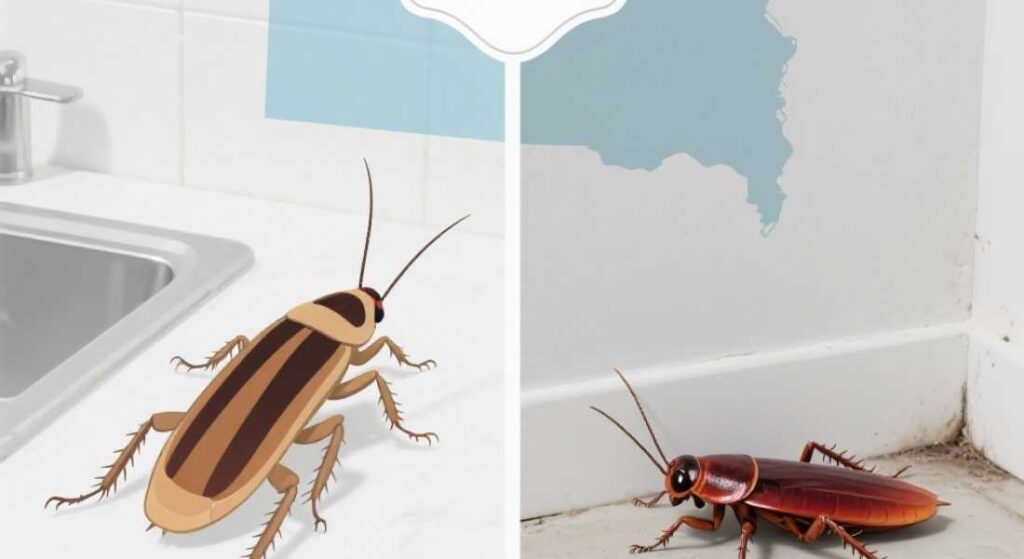
Bugs that look like cockroaches in Missouri often confuse homeowners attempting identification. Ground beetles, water bugs, and wood roaches resemble true pest species but generally don’t infest homes.
Wood roaches are commonly mistaken for German cockroaches but prefer outdoor habitats and rarely establish indoor populations. They’re slightly larger and have a more oval shape with distinct markings.
Understanding these differences prevents unnecessary panic and helps target control efforts toward actual pest species rather than harmless insects that occasionally wander indoors.
How Cockroaches Enter Your Home
Prevention starts with understanding entry methods. These adaptable insects exploit numerous pathways into structures.
Common Entry Points
Cracks in foundations provide easy access for roaches traveling along exterior walls. Gaps as small as one-sixteenth of an inch allow entry for German cockroaches, while larger species need slightly bigger openings.
Plumbing penetrations where pipes enter buildings often have gaps that weren’t properly sealed during construction. Roaches follow these pathways from sewers and drainage systems directly into living spaces.
Gaps around windows and doors, torn screens, and damaged weather stripping all serve as entry routes. Roaches can flatten their bodies to squeeze through surprisingly small spaces.
Which Roaches Infest Your House Most Often
Which roaches infest your house depends largely on your location and building type. German cockroaches account for roughly 70 percent of all residential infestations nationwide and dominate apartment buildings and multi-family housing.
American cockroaches more commonly infest single-family homes with basements or crawl spaces. They prefer lower levels and areas with moisture issues but will travel throughout a structure searching for food.
Brown-banded cockroaches, while less common, infest upper floors and prefer drier conditions than other species. They hide in furniture, closets, and even electronics, making them particularly challenging to eliminate.
Geographic Distribution of Cockroach Problems
Understanding broader distribution patterns provides context for local issues.
What States Have Cockroaches
What states have cockroaches is a question with a simple answer: all of them. Every U.S. state experiences cockroach problems to varying degrees, though severity depends on climate and urbanization.
Southern states with warm, humid climates see the highest populations and most diverse species. Florida, Texas, Louisiana, and Georgia consistently rank among the worst for cockroach infestations.
Northern states have fewer species and lower outdoor populations due to harsh winters, but indoor infestations remain common. Heated buildings provide year-round habitat regardless of external temperatures.
International Perspective: Cockroaches in the UK
Cockroaches found in UK properties are primarily German and Oriental species. The cooler climate limits outdoor populations, but heated buildings support infestations similar to those in the United States.
Can cockroaches live in UK weather conditions year-round? Outdoor survival is difficult during winter, but indoor colonies thrive. The question of cockroaches London has become more relevant as urban areas see increasing pest pressure from warming temperatures and international travel bringing new populations.
Effective Detection Methods
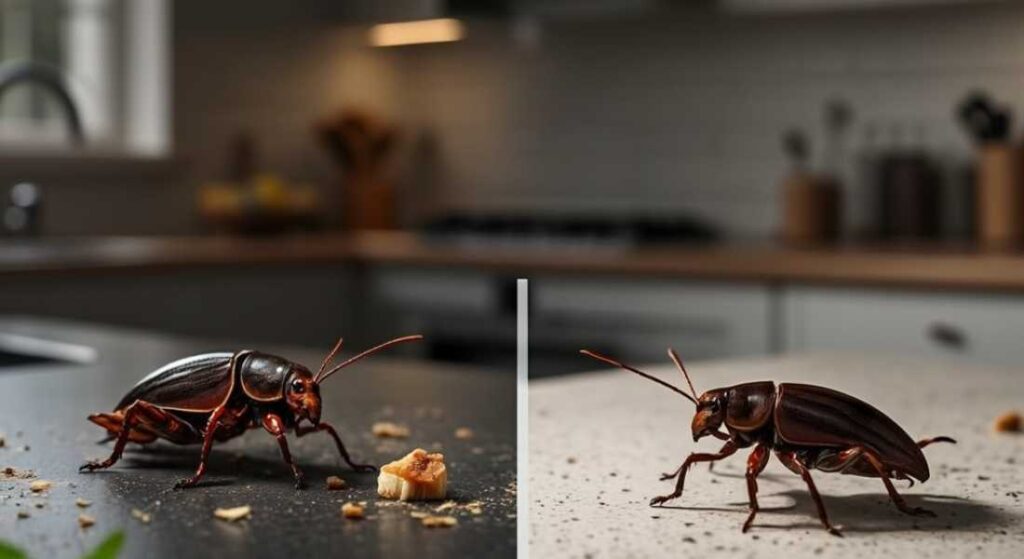
Finding roaches before populations explode saves time, money, and frustration.
How to Hunt Cockroaches
How to hunt cockroaches effectively requires understanding their behavior. These nocturnal pests hide during the day and emerge at night to feed, so inspections after dark reveal the most activity.
Use a flashlight to check under sinks, behind appliances, inside cabinets, and along baseboards. Pay special attention to warm areas near motors and heating elements where roaches congregate.
Sticky traps placed in suspected activity areas capture specimens for identification and help monitor population levels. Check traps every few days and note where the most roaches appear.
Best Times for Inspection
Conduct thorough inspections about two hours after sunset when roaches are most active. Turn on lights suddenly and watch for movement as they scatter toward hiding spots.
Kitchen and bathroom areas require the most attention, but don’t neglect bedrooms, closets, and storage areas. Roaches follow plumbing lines throughout buildings and may establish secondary colonies far from obvious food sources.
Regular monitoring helps catch new infestations early when treatment is easier and more effective. Monthly inspections are sufficient for most homes, while high-risk properties may need weekly checks.
Species-Specific Control Strategies
Different species require tailored approaches for successful elimination.
How to Get Rid of German Cockroaches
How to get rid of German cockroaches demands an integrated approach combining sanitation, exclusion, and targeted treatments. These fast-reproducing pests resist many over-the-counter products, making professional help often necessary.
Start by eliminating food and water sources. Store all food in sealed containers, fix leaky pipes, and clean up crumbs and spills immediately. German cockroaches can survive on tiny amounts of food, so thorough sanitation is critical.
Apply gel baits in areas where roaches travel and hide. Professional-grade products containing fipronil or indoxacarb work best. Place small dots of bait every 12 to 18 inches along baseboards, under sinks, and inside cabinets.
Insect growth regulators disrupt reproduction and prevent nymphs from reaching adulthood. Combined with baits, these products provide long-term population suppression. Expect treatment to take several weeks as multiple generations are eliminated.
American vs German Cockroach Treatment Differences
American vs German cockroach control strategies differ significantly due to behavioral variations. American cockroaches primarily infest basements, crawl spaces, and utility areas rather than kitchens, requiring different bait placements and treatment zones.
Perimeter treatments work well for American cockroaches since they often enter from outdoors. Apply residual insecticides around foundations, in crawl spaces, and along potential entry points to create a protective barrier.
German cockroaches rarely respond to perimeter treatments alone since they’re introduced through infested items and reproduce entirely indoors. Focus treatment on interior spaces where populations concentrate rather than exterior applications.
Prevention and Long-Term Control
Maintaining a roach-free environment requires ongoing effort and vigilance.
Sanitation Practices
Proper sanitation removes the resources roaches need to survive. Vacuum regularly to eliminate food particles and egg cases. Empty vacuum bags or canisters immediately to prevent roaches from escaping.
Clean behind and under appliances where grease and food debris accumulate. Pull out refrigerators and stoves at least quarterly for deep cleaning. These areas provide ideal harborage and abundant food.
Store garbage in sealed containers and remove it daily. Compost bins should be located away from the house and properly maintained to avoid attracting pests.
Structural Modifications
Seal cracks and crevices with caulk or expanding foam. Pay special attention to areas where pipes and wires enter walls. Even small gaps provide entry and harborage.
Install door sweeps on exterior doors and repair damaged screens. Ensure windows close tightly and weather stripping remains in good condition.
Address moisture problems promptly. Fix leaky pipes, improve ventilation in damp areas, and use dehumidifiers in basements or crawl spaces. Reducing moisture makes environments less hospitable to roaches.
Common Misconceptions About Cockroach Control
Several myths persist about dealing with these pests that can actually make problems worse.
Why Should I Not Squish Cockroaches
Why should I not squish cockroaches is a question based on the myth that stepping on females releases eggs that hatch and spread infestations.
While egg cases can survive crushing in some situations, the bigger concern is that squashing roaches creates mess and doesn’t address the underlying population.
The real reason to avoid squishing roaches is that it’s ineffective pest control. Killing individual insects does nothing to eliminate the colony hiding in your walls. You’ll simply see more roaches tomorrow while the problem continues growing.
Additionally, crushed roaches can trigger allergies and asthma in sensitive individuals. The body parts and feces become airborne particles that contaminate indoor environments.
Other Treatment Myths
Many people believe boric acid alone will solve infestations. While useful as part of an integrated program, boric acid works slowly and won’t provide quick relief from active problems. Roaches can also avoid treated areas if application is too heavy.
Ultrasonic repellents marketed for pest control have no scientific evidence supporting their effectiveness. These devices waste money without providing any actual pest reduction.
Foggers and bug bombs seem convenient but rarely reach the cracks and crevices where roaches hide. They may even spread populations as roaches flee treated areas into new parts of the building.
Professional vs DIY Treatment
Deciding between professional help and self-treatment depends on infestation severity and your capabilities.
When to Call Professionals
Severe infestations with roaches visible during daytime require professional intervention. This level of activity indicates populations have exceeded available hiding spaces, meaning thousands of insects likely inhabit the structure.
Recurring infestations despite repeated DIY efforts suggest hidden colonies or constant reintroduction from neighboring properties. Professionals have access to stronger products and the expertise to locate source harborages.
Multi-family housing almost always needs professional treatment. Individual unit treatments fail when roaches simply move between apartments through shared walls and plumbing.
DIY Options That Work
Early-stage infestations may respond to diligent DIY efforts. Gel baits available at hardware stores can eliminate small German cockroach populations if applied correctly and combined with sanitation improvements.
Boric acid dust applied in wall voids, under appliances, and other dry areas provides long-lasting control. Use light applications that roaches will walk through rather than heavy piles they’ll avoid.
Sticky traps help monitor progress and catch individual roaches but won’t eliminate populations alone. Use them as part of a comprehensive strategy rather than as the sole treatment method.
Understanding Kansas State Symbols
State symbols provide interesting context about regional identity and values.
What is the Official State Insect of Kansas
What is the official state insect of Kansas brings up the honeybee, designated in 1976 to recognize the importance of pollinators to agriculture. Kansas produces significant honey crops and relies on bee pollination for many food crops.
The state insect distinction highlights beneficial insects rather than pests. No state has ever designated a cockroach as an official symbol, though these hardy survivors certainly make their presence known throughout the region.
Understanding this distinction reminds us that not all insects are pests. Many species provide essential ecological services and deserve protection rather than elimination.
Health and Safety Concerns
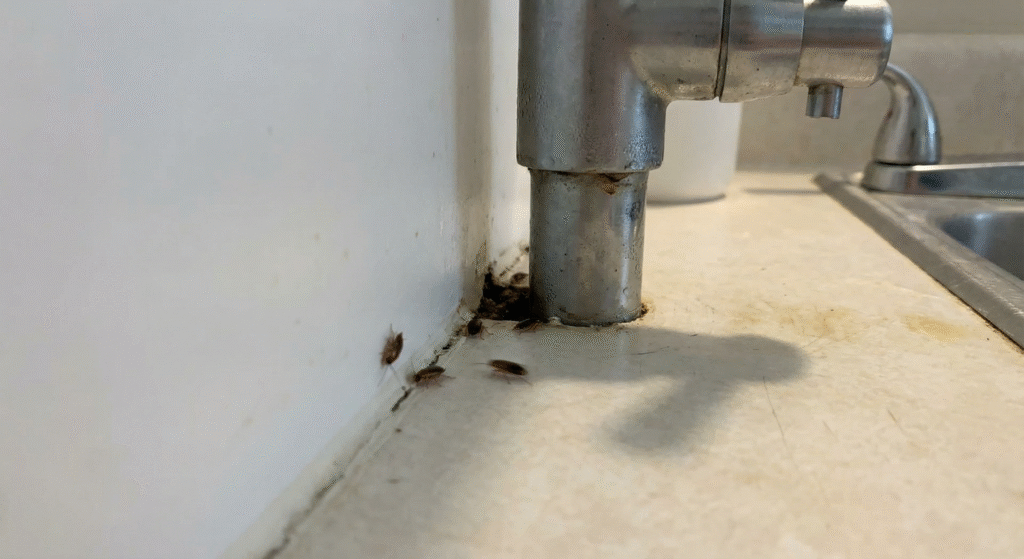
Cockroach presence poses legitimate health risks beyond the disgust factor.
Allergens and Asthma Triggers
Cockroach droppings, shed skins, and body parts contain proteins that trigger allergic reactions and asthma attacks. Children living in infested homes show higher rates of asthma development and more severe symptoms.
Regular exposure to cockroach allergens can sensitize previously unaffected individuals. Once sensitized, even small amounts of allergen can trigger reactions.
Proper pest elimination combined with thorough cleaning reduces allergen levels. HEPA-filtered vacuums and damp mopping remove more particles than regular cleaning methods.
Disease Transmission Risks
Roaches pick up bacteria, viruses, and parasites as they travel through sewers, garbage, and contaminated areas. They then deposit these pathogens on food preparation surfaces and stored food.
Salmonella, E. coli, and other food-poisoning bacteria commonly contaminate cockroach bodies. While direct disease transmission is less common than with mosquitoes or ticks, the risk remains real.
Maintaining pest-free environments protects family health and reduces exposure to these potential disease vectors.
FAQs
Are Cockroaches Common in Kansas?
Yes, cockroaches are common throughout Kansas, particularly in urban areas like Kansas City, Wichita, and Topeka.
The state’s climate supports multiple species year-round, with German and American cockroaches being most prevalent. Indoor populations remain constant regardless of season since heated buildings provide ideal habitat.
What City Has the Worst Cockroach Problem?
Major metropolitan areas typically have the worst cockroach problems due to population density, older infrastructure, and abundant food sources.
Houston, Miami, and New York consistently rank among the worst U.S. cities for roach infestations. In Kansas, urban centers experience more severe problems than rural areas.
Why Should I Not Squish Cockroaches?
Squishing cockroaches is ineffective because it only kills individual insects while the colony continues reproducing. It also creates mess and can spread allergens throughout your home.
The myth about releasing eggs is exaggerated, but the real issue is that crushing roaches doesn’t address the underlying infestation requiring comprehensive treatment.
What is the Official State Insect of Kansas?
The honeybee serves as Kansas’s official state insect, designated in 1976 to honor pollinators’ agricultural importance.
This beneficial insect represents the positive role insects play in ecosystems and food production, contrasting sharply with pest species like cockroaches.
Can All Cockroach Species Fly?
Not all cockroach species fly effectively. American cockroaches have fully developed wings and can fly short distances, especially when disturbed or seeking mates.
German cockroaches have wings but rarely fly, preferring to run. Oriental cockroaches have reduced wings and cannot fly at all despite their size.
How Long Does It Take to Eliminate a Cockroach Infestation?
Elimination timeframes vary based on species, population size, and treatment methods. Small German cockroach infestations may resolve in four to six weeks with proper treatment.
Severe infestations or American cockroach problems can take three to six months of consistent effort. Professional treatment typically works faster than DIY approaches.
Conclusion
Successfully managing Kansas cockroaches requires understanding the species present, implementing effective control strategies, and maintaining vigilant prevention efforts. These resilient pests won’t disappear without deliberate action combining sanitation, exclusion, and targeted treatments.
Whether facing a minor problem or severe infestation, the principles remain the same: identify the species, eliminate food and water sources, seal entry points, and apply appropriate treatments.
Professional help provides the fastest results for serious situations, while early detection and prompt action prevent small problems from becoming major headaches.
Remember that cockroach control is an ongoing process rather than a one-time event. Regular inspections, continued sanitation, and structural maintenance keep your home protected from these unwanted invaders. Taking these steps creates a healthier living environment for you and your family.

Mateen Cee is a dedicated pest control writer who specializes in cockroach identification, prevention, and removal techniques. He creates clear, practical content to help homeowners manage infestations effectively and maintain a clean, pest-free environment with simple, reliable solutions.