

Introduction
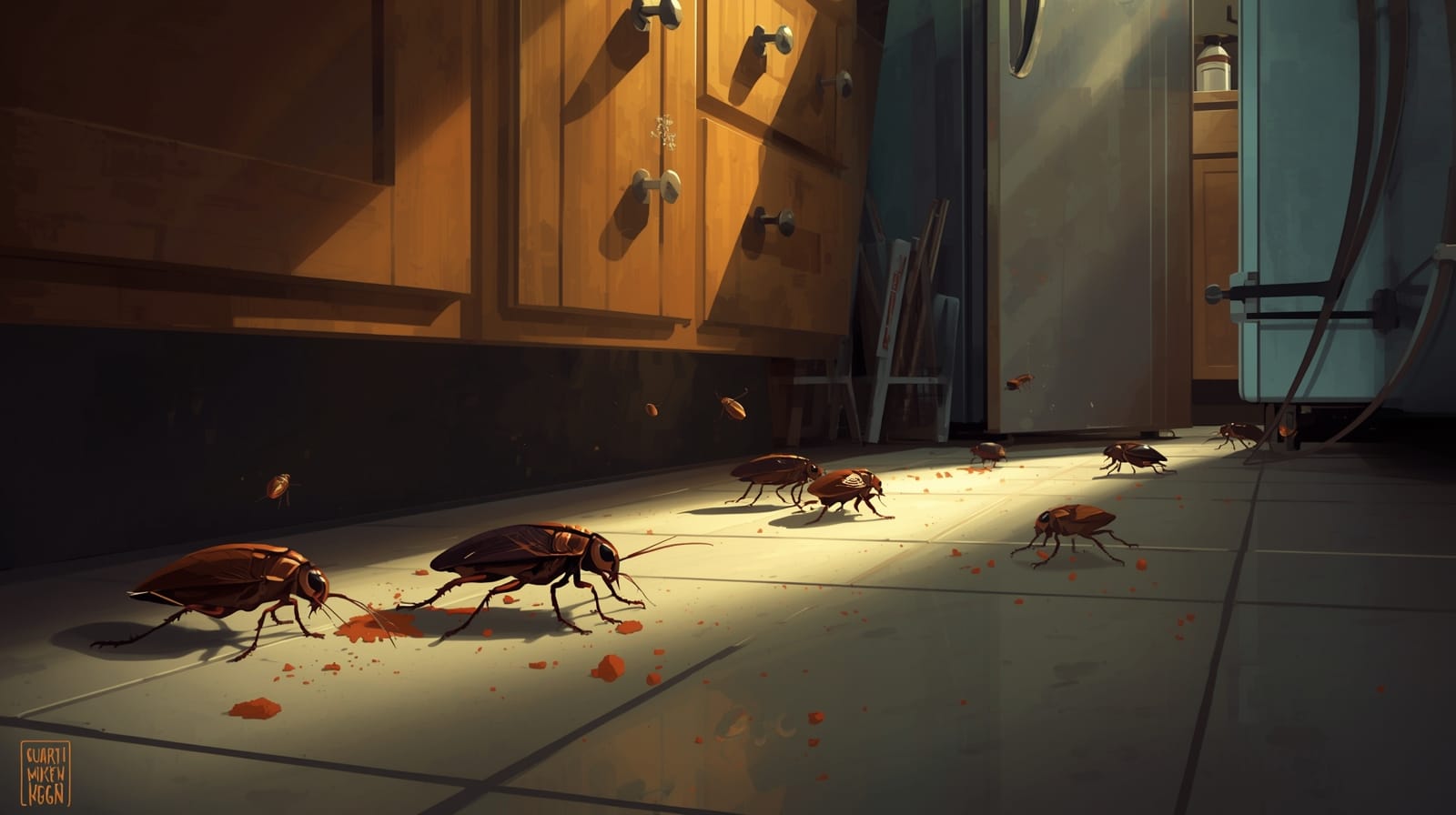
Cockroach nymph vs termite nymph identification can save you from serious pest problems in your home. Many homeowners mistake one pest for another because young cockroaches and termite nymphs share surprising similarities in appearance.
However these two insects require completely different treatment approaches and pose distinct threats to your property.
Understanding the differences between these pests is essential for taking the right action quickly. Misidentifying them can lead to wasted time and money on ineffective treatments.
This comprehensive guide will help you recognize each pest accurately and understand what steps to take when you find them in your home.
What Are Cockroach Nymphs?
Cockroach nymphs are the juvenile stage of cockroaches that develop through incomplete metamorphosis.
These young insects hatch from eggs and gradually grow into adult roaches through multiple molting stages. Unlike many other insects they do not go through a pupal stage but instead resemble smaller versions of adults.
The nymph stage is critical in the cockroach life cycle because this is when the insects are most vulnerable yet highly active.
During this period they feed constantly to fuel their rapid growth and development. Most cockroach species go through several nymph stages before reaching full maturity.
German Cockroach Nymph Characteristics
German cockroach nymphs are among the most common household pests you might encounter. These nymphs are dark brown to black in color with two distinctive dark stripes running down their backs.
They measure approximately 3mm when newly hatched and grow to about 10mm before their final molt into adulthood.
These nymphs are particularly problematic because German cockroaches reproduce rapidly. A single female can produce multiple egg cases during her lifetime with each case containing 30 to 40 eggs.
The nymphs mature quickly in warm environments which explains why infestations can explode in just a few weeks.
Physical Features of Baby Cockroaches
Baby cockroach appearance varies slightly depending on the species but certain features remain consistent.
Most cockroach nymphs have soft elongated bodies with long antennae that constantly move to sense their environment. Their bodies are generally darker than adults and they lack fully developed wings.
The segmented body structure is clearly visible in nymphs with a distinct separation between the head, thorax and abdomen.
Their six legs are well developed from the moment they hatch allowing them to run quickly when disturbed. As they grow through each molt their exoskeleton darkens and hardens gradually.
What Are Termite Nymphs?
Termite nymphs represent the immature stage of termites before they develop into specific castes within the colony.
These young termites emerge from eggs and undergo multiple molts as they grow. Unlike cockroaches, termites follow a social structure where nymphs can develop into workers, soldiers or reproductive termites depending on colony needs.
The nymph stage in termites is more complex than in cockroaches because of this caste differentiation.
Environmental factors and pheromones from other colony members influence which role a nymph will eventually fulfill. This flexibility allows termite colonies to adapt their workforce based on current requirements.
Appearance and Body Structure
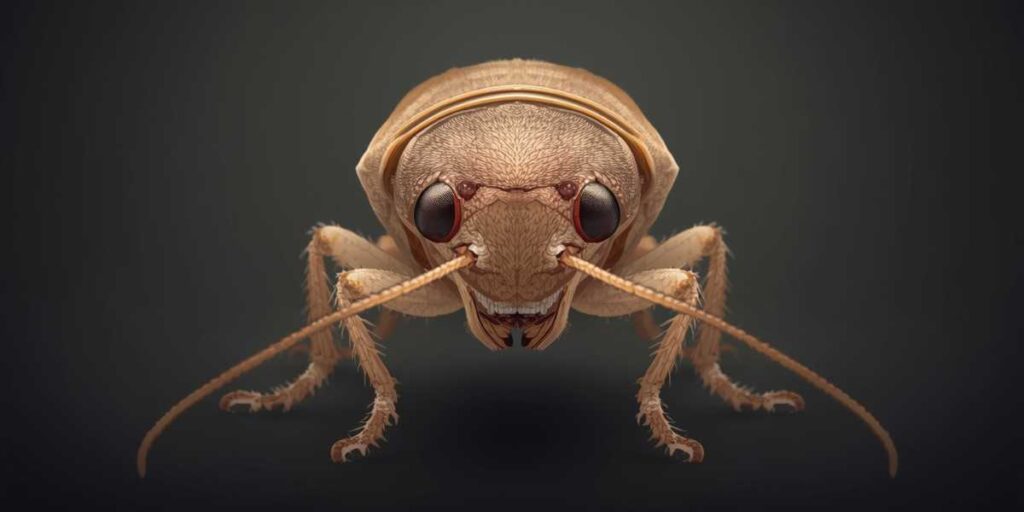
Termite nymphs have soft pale bodies that range from white to creamy beige in color. Their bodies are relatively straight and uniform in width from head to tail without the distinct segmentation visible in cockroach nymphs.
The head is typically slightly darker than the body and proportionally smaller.
These nymphs have straight bead-like antennae that are noticeably different from the long sweeping antennae of cockroaches.
Their bodies appear almost translucent in some species allowing you to see internal organs through the thin exoskeleton. Termite nymphs are generally smaller than cockroach nymphs of similar age.
Development Stages
Termite nymphs progress through several instars or developmental stages before reaching their final form. Each instar involves shedding the old exoskeleton and growing a larger one. The number of molts varies depending on which caste the nymph is destined to become.
Worker termites typically undergo fewer molts than soldiers or reproductive termites. During development nymphs that will become soldiers begin developing larger heads and mandibles.
Those destined to become reproductive termites start forming wing buds that will eventually allow them to swarm and establish new colonies.
Cockroach Nymph vs Termite Nymph: Key Differences
Understanding the differences between these two pests is crucial for proper identification and treatment.
While both are small and sometimes found in similar areas their physical characteristics and behavior patterns are distinctly different. Recognizing these differences will help you respond appropriately to infestations.
The confusion between cockroach nymph vs termite nymph often arises because people see small insects and assume the worst.
However a closer look reveals clear distinguishing features that make identification straightforward once you know what to look for.
Color and Pigmentation
Cockroach nymphs display darker coloration ranging from dark brown to nearly black depending on the species. German cockroach nymphs are particularly dark with their characteristic racing stripes.
As they age and molt multiple times their color may lighten slightly but remains significantly darker than termites.
Termite nymphs maintain a consistently pale appearance throughout their development. Their creamy white to light beige color makes them look almost ghostly compared to cockroach nymphs.
This pale coloration persists because termites typically remain hidden within wood or underground where pigmentation offers no survival advantage.
Body Shape and Size Comparison
The body shape provides one of the clearest ways to distinguish between these pests. Cockroach nymphs have an oval flattened body shape that allows them to squeeze into tight cracks and crevices.
Their bodies are wider at the thorax and taper slightly toward the rear creating a distinctive teardrop silhouette.
Termite nymphs have a more uniform cylindrical body shape with little variation in width from front to back.
Their bodies appear straighter and less segmented than cockroaches. In terms of cockroach nymph vs termite nymph size, young cockroach nymphs are often similar in length to termite workers but appear bulkier and more robust.
Antenna Structure
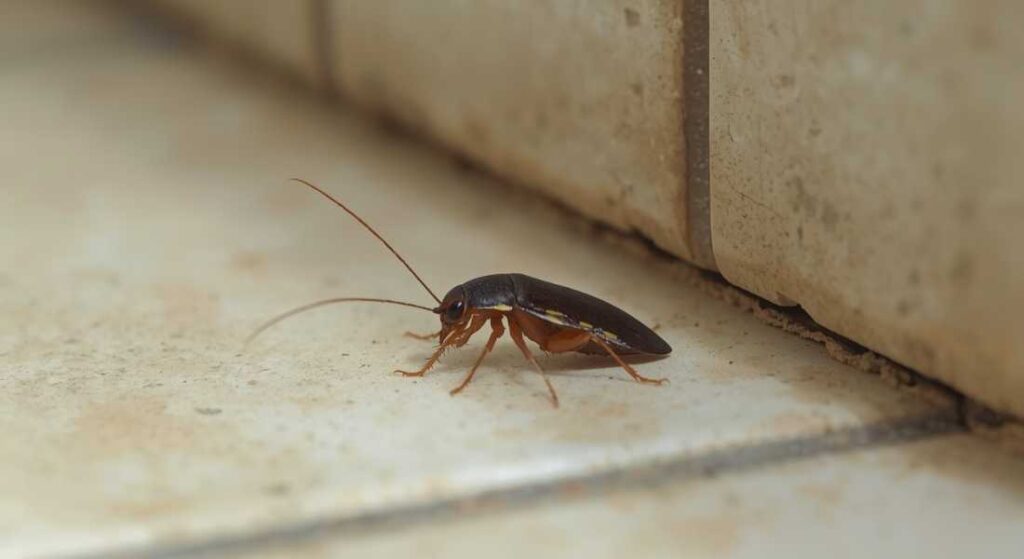
Antenna differences provide a reliable identification marker between these insects. Cockroach nymphs have long thin flexible antennae that can be as long as or longer than their entire body.
These antennae constantly wave and probe the environment helping the insect navigate and find food.
Termite nymphs possess short straight antennae that resemble strings of tiny beads. These antennae are proportionally much shorter than those of cockroaches and move less dramatically. The bead-like appearance is distinctive and visible even with basic magnification.
Movement and Behavior Patterns
Cockroach nymphs are fast runners that scatter quickly when exposed to light. They exhibit erratic movement patterns and can change direction rapidly when threatened.
These nymphs are typically solitary and spread throughout an infested area rather than clustering together.
Termite nymphs move much more slowly and deliberately compared to cockroaches. They typically remain within the colony structure and are rarely seen in the open.
When termite nymphs are visible they often appear in groups performing tasks like tunneling or food gathering in a coordinated manner.
Habitat and Location Differences
Where you find these pests can provide important clues about their identity. Cockroaches and termites prefer different environments based on their biological needs and social structures.
Knowing their preferred habitats helps with both identification and targeted treatment strategies.
Where Cockroach Nymphs Are Found
Cockroach nymphs thrive in warm moist environments with easy access to food and water. You will commonly find them in kitchens, bathrooms and basements where these conditions exist. They hide in cracks behind appliances, under sinks and inside cabinets during the day.
These nymphs can also be found in less obvious locations like behind wallpaper, inside electrical outlets and beneath floor coverings.
They prefer areas with high humidity and temperatures above 70 degrees Fahrenheit. German cockroach nymphs especially favor locations near food preparation areas where crumbs and spills provide constant nourishment.
Where Termite Nymphs Live
Termite nymphs remain within the colony structure which may be located underground, inside wood or in above-ground nests depending on the species.
Subterranean termites keep their nymphs in elaborate tunnel systems beneath the soil surface where humidity remains constant.
Drywood termites house their nymphs directly within the wood they infest. These colonies exist entirely within wooden structures without needing soil contact.
You rarely see termite nymphs in the open because they remain protected within the colony until they mature into their designated roles.
Health and Property Risks
Both pests pose significant concerns but the nature of their threats differs substantially. Understanding what each pest can do to your home and health helps prioritize your response and choose appropriate control measures.
Dangers Posed by Cockroaches
Cockroaches carry numerous disease-causing organisms on their bodies and in their droppings. They can spread salmonella, E. coli and other pathogens that cause food poisoning and gastrointestinal illnesses.
Their shed skins and feces become airborne and trigger allergic reactions and asthma attacks especially in children.
Beyond health concerns cockroaches contaminate food supplies and create unpleasant odors in heavily infested areas.
They can damage paper products, fabrics and book bindings through their feeding activities. The psychological stress of a cockroach infestation can also affect residents’ quality of life significantly.
Threats from Termites
Termites cause billions of dollars in structural damage annually across the United States.
These insects consume wood from the inside out often remaining undetected until significant damage has occurred. They can compromise the structural integrity of buildings making them unsafe.
Unlike cockroaches, termites pose minimal direct health risks to humans. They do not bite people or spread diseases through contamination.
However the stress and financial burden of termite damage can be devastating. Repairs often cost thousands of dollars and may not be covered by standard homeowner insurance policies.
Do Cockroaches Eat Termites?
This question arises frequently when people discover multiple pest species in their homes. Some cockroach species will occasionally consume termites if they encounter them. However cockroaches are not effective biological control agents for termite infestations.
Cockroaches are opportunistic omnivores that eat almost any organic matter including dead insects. While they might eat a termite if given the chance they do not actively hunt termites or consume enough to impact a colony.
Relying on cockroaches to control termites would only result in having two serious pest problems instead of one.
The presence of both pests typically indicates environmental conditions favorable to multiple insect species.
Moisture problems and structural vulnerabilities that attract termites often also support cockroach populations. Addressing these underlying issues is more effective than hoping for natural predation between pest species.
Professional Identification Methods
When in doubt professional pest control experts use several techniques to accurately identify pests. These methods ensure correct diagnosis and appropriate treatment selection.
Understanding these approaches can help you communicate more effectively with pest control professionals.
Visual Inspection Techniques
Professional inspectors use high-powered flashlights and magnification tools to examine insects closely.
They look for specific anatomical features like antenna structure, body shape and coloration patterns. Experienced technicians can often identify pests at a glance based on behavior and location.
Inspectors also examine damage patterns and evidence left behind by pests. Termites create mud tubes and leave behind frass while cockroaches leave dark smear marks and droppings. These secondary signs help confirm identification when live specimens are not readily visible.
Using Pictures for Comparison
Taking clear photographs of suspected pests allows for detailed comparison with reference images.
Cockroach nymph vs termite nymph pictures available online or in field guides provide valuable comparison tools. When photographing small insects, use macro mode on your camera or smartphone for best results.
Share these photos with pest control professionals who can make identifications remotely in many cases.
Good photographs should show the insect’s size relative to a common object like a coin, capture color accurately and display distinguishing features clearly. Multiple angles provide more information than a single shot.
Treatment Approaches
Effective pest management requires different strategies for cockroaches versus termites. Using the wrong treatment approach wastes resources and allows infestations to worsen. Understanding appropriate termite and cockroach treatment methods ensures you address problems effectively.
Cockroach Control Methods
Cockroach control combines sanitation, exclusion and targeted pesticide applications. Begin by eliminating food and water sources through thorough cleaning and fixing leaky pipes. Seal cracks and crevices where cockroaches hide using caulk or foam sealant.
Gel baits work effectively for German cockroach infestations by poisoning nymphs and adults that feed on them. Insect growth regulators disrupt reproduction and prevent nymphs from maturing. Regular monitoring and repeated treatments may be necessary because cockroaches reproduce quickly and can develop pesticide resistance.
Termite Elimination Strategies
Termite treatment typically requires professional intervention due to the hidden nature of colonies. Liquid termiticides create chemical barriers in the soil around structures preventing termites from entering. Termite baits use slow-acting poisons that foraging termites carry back to the colony.
For drywood termites localized treatments may involve injecting pesticides directly into infested wood.
Whole-structure fumigation eliminates widespread drywood termite infestations but requires temporary evacuation. Regular inspections help detect new termite activity before extensive damage occurs.
Integrated Pest Management
The most effective approach combines multiple control methods tailored to the specific pest and situation.
Integrated pest management emphasizes prevention, monitoring and using the least toxic effective treatments. This approach protects both human health and the environment while controlling pests.
For both cockroaches and termites addressing moisture problems and structural vulnerabilities prevents future infestations.
Regular inspections catch problems early when they are easier and less expensive to treat. Working with licensed pest control professionals ensures treatments are applied safely and effectively.
Prevention Tips for Homeowners
Preventing pest problems is always easier and less expensive than treating established infestations. Simple maintenance and lifestyle changes can make your home less attractive to both cockroaches and termites.
Reducing Moisture and Food Sources
Fix leaking pipes, faucets and roof damage promptly to eliminate excess moisture. Ensure proper drainage around your foundation and maintain gutters to direct water away from the structure.
Reduce indoor humidity using dehumidifiers in damp areas like basements and crawl spaces.
Store food in sealed containers and clean up spills immediately. Take garbage out regularly and use bins with tight-fitting lids. Avoid leaving pet food and water bowls out overnight as these attract cockroaches and other pests.
Regular Inspections and Maintenance
Inspect your home’s exterior regularly for cracks, gaps and other entry points that pests might use. Pay special attention to areas where utilities enter the building and around doors and windows. Seal openings with appropriate materials to prevent pest access.
Check for signs of pest activity in vulnerable areas like basements, attics and crawl spaces. Look for droppings, shed skins, mud tubes or damaged wood. Early detection allows you to address problems before they become severe infestations requiring extensive treatment.
FAQS
What is the difference between a cockroach and a termite?
Cockroaches and termites are completely different insects with distinct characteristics. Cockroaches are individual scavengers with dark hard bodies that live alone or in loose groups.
Termites are social insects with pale soft bodies that live in highly organized colonies with specific castes. Cockroaches primarily threaten health through disease transmission while termites damage wooden structures.
How to identify a cockroach nymph?
Cockroach nymphs have dark brown to black coloration with elongated oval flattened bodies. They feature long flexible antennae often as long as their body and six well-developed legs.
German cockroach nymphs show two distinctive dark stripes on their backs. These nymphs move quickly and scatter when exposed to light appearing in kitchens, bathrooms and other moist warm areas.
What do termite nymphs look like?
Termite nymphs have soft pale bodies ranging from white to creamy beige without dark pigmentation. Their bodies are straight and uniform in width with short bead-like antennae.
The head appears slightly darker than the body and proportionally smaller. When comparing cockroach nymph vs termite nymph appearance, termite nymphs look almost translucent and move much more slowly.
What is the difference between a nymph and a cockroach?
A nymph is the juvenile stage of insects that undergo incomplete metamorphosis while a cockroach is the insect species itself. Cockroach nymphs are simply young cockroaches that have not yet developed wings or reached reproductive maturity.
The term nymph applies to many insect species including cockroaches, termites and grasshoppers describing their developmental stage rather than their species identity.
Can I treat cockroach and termite infestations with the same products?
No, cockroach and termite infestations require completely different treatment approaches. Products effective against cockroaches do not work on termites because these pests have different biology and behavior.
Termite and cockroach treatment methods must be selected based on accurate pest identification to achieve successful control results.
How quickly should I act after finding these pests?
Act immediately upon discovering either cockroach nymphs or termite nymphs in your home. Both pests reproduce rapidly and cause progressively worse problems the longer they remain untreated.
Contact a licensed pest control professional for accurate identification and appropriate treatment recommendations. Early intervention prevents minor problems from becoming costly infestations.
Conclusion
Distinguishing between cockroach nymph vs termite nymph is essential for protecting your home and health.
While these young insects may initially seem similar, their differences in color, body shape, antennae and behavior make identification straightforward with careful observation.
Cockroach nymphs appear dark and flattened with long antennae and fast movement while termite nymphs are pale, straight-bodied with short bead-like antennae.
Taking time to identify pests correctly ensures you apply the right treatment methods and avoid wasting resources on ineffective approaches.
Whether facing cockroaches that threaten health or termites that damage structures, prompt professional intervention provides the best outcomes. Maintain vigilance through regular inspections and preventive measures to keep your home pest-free and protected.

Mateen Cee is a dedicated pest control writer who specializes in cockroach identification, prevention, and removal techniques. He creates clear, practical content to help homeowners manage infestations effectively and maintain a clean, pest-free environment with simple, reliable solutions.