

Introduction
Cockroach nymph vs bed bug nymph identification is a critical skill for homeowners facing potential infestations.
These two pests are frequently confused because their young stages share similar characteristics like small size and brown coloring. However, misidentifying these insects can lead to ineffective treatment methods and prolonged infestations.
Understanding the distinct differences between cockroach nymphs and bed bug nymphs helps you take swift and appropriate action. This comprehensive guide will walk you through visual identification markers, behavioral patterns, size variations and effective treatment strategies for both pests.
You’ll gain the knowledge needed to accurately identify which pest has invaded your space and how to eliminate them completely.
Understanding What Nymphs Are
Before diving into comparisons, it’s essential to understand what nymphs represent in insect development.
Nymphs are juvenile forms of insects that undergo incomplete metamorphosis. Unlike butterflies or beetles that have larval stages, nymphs resemble smaller versions of adult insects.
Both cockroaches and bed bugs produce nymphs after hatching from eggs. These immature insects must molt several times before reaching adulthood.
During this growth period, nymphs are actively feeding and can cause the same problems as adult insects.
The nymph stage is particularly important for identification because infestations often begin with these younger insects. Spotting them early gives you a significant advantage in pest control efforts.
Physical Appearance Differences
The most reliable way to distinguish between these two pests is through careful visual examination of their physical characteristics.
Body Shape and Structure
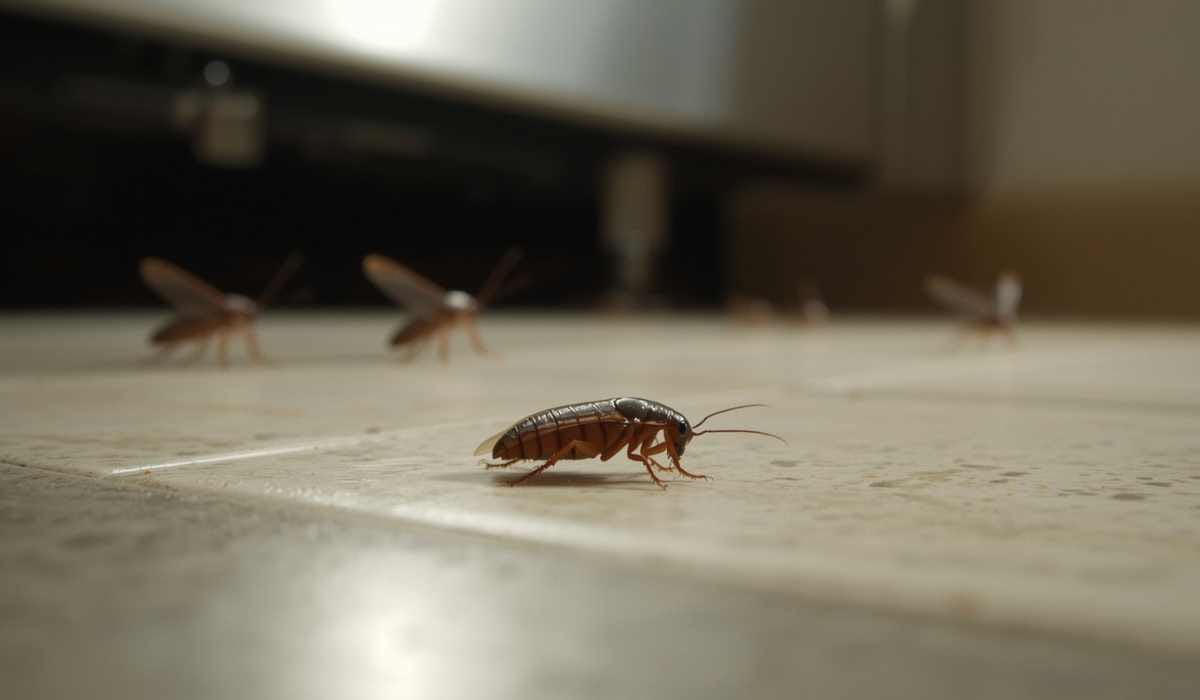
Cockroach nymphs display an oval and elongated body shape with a flattened appearance. Their bodies are segmented and slightly hardened even in early stages. The head is tucked under a protective plate called the pronotum, making it less visible from above.
Bed bug nymphs have a much different structure. Their bodies are oval but broader and flatter, resembling tiny apple seeds. The shape is more rounded compared to the elongated form of cockroach nymphs. Their heads are clearly visible and extend forward from the body.
Color Variations
Color provides another distinguishing feature between cockroach nymph vs bed bug nymph specimens.
German cockroach nymphs, the most common household variety, appear dark brown to black with two distinctive dark stripes running down their backs. As they mature, they lighten slightly but maintain darker tones.
Bed bug nymphs are translucent or pale yellow immediately after hatching. After feeding on blood, they become reddish-brown or rust-colored.
This color change happens quickly and is a telltale sign of bed bug presence. Unfed nymphs remain very light in color, almost see-through.
Leg and Antenna Characteristics
Cockroach nymphs possess six long, spiny legs designed for rapid movement. Their antennae are long and threadlike, often as long as their bodies. These antennae constantly move as they explore their environment.
Bed bug nymphs also have six legs, but they are proportionally shorter and positioned for climbing rather than running. Their antennae are shorter and clubbed at the ends. The overall leg structure is less prominent than cockroach nymphs.
Size Comparison Guide
Size is a crucial factor when comparing cockroach nymph vs bed bug nymph insects, though it varies by developmental stage.
Early Stage Nymphs
Newly hatched cockroach nymphs measure approximately 3 to 4 millimeters in length. They’re visible to the naked eye but quite small. German cockroach nymphs are among the smallest cockroach species at this stage.
First-stage bed bug nymphs are significantly smaller, measuring only 1.5 millimeters long. They’re roughly the size of a pinhead and much harder to spot without magnification. This tiny size makes early detection challenging.
Mature Nymphs
As cockroach nymphs approach adulthood through multiple molts, they can reach 10 to 15 millimeters in length. Their growth is substantial and noticeable over several weeks.
Mature bed bug nymphs before their final molt measure about 4.5 millimeters. Even at full nymph size, they remain considerably smaller than cockroach nymphs. The size difference becomes more pronounced as both insects develop.
Behavioral Patterns and Habitat
Understanding where and how these pests behave helps tremendously with identification and treatment planning.
Activity Timing
Cockroach nymphs are primarily nocturnal creatures. They hide during daylight hours and emerge at night to forage for food. Seeing them during the day often indicates a severe infestation where hiding spaces are overcrowded.
Bed bug nymphs are also nocturnal but their activity centers around blood feeding. They emerge primarily when detecting carbon dioxide and body heat from sleeping humans, typically between midnight and 5 AM.
Preferred Hiding Locations
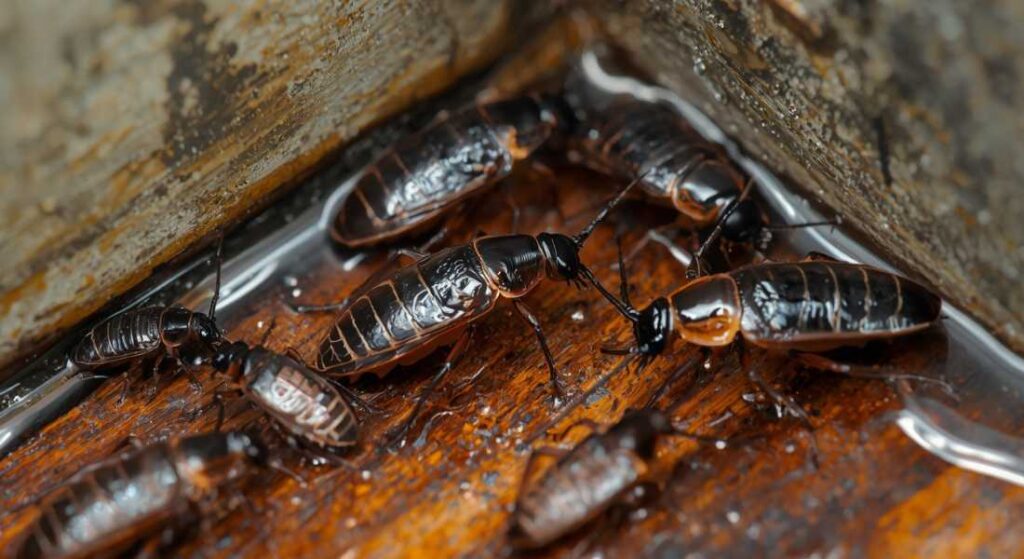
Cockroach nymphs prefer warm and humid environments. They hide in kitchens, bathrooms and basements near water sources. Common hiding spots include behind appliances, inside cabinets, under sinks and in cracks near plumbing.
Bed bug nymphs stay close to their food source, which means they hide near sleeping areas.
They’re found in mattress seams, box springs, bed frames, headboards and nearby furniture. They also hide in electrical outlets, picture frames and wallpaper seams within bedrooms.
Movement Patterns
Cockroach nymphs are fast runners. When disturbed, they scatter quickly and disappear into crevices. Their speed and erratic movement make them difficult to catch.
Bed bug nymphs move much slower and more deliberately. They crawl rather than run and cannot jump or fly. Their movement is methodical as they seek blood meals.
Feeding Habits and Signs
The dietary needs of these pests differ dramatically and leave distinct evidence behind.
What They Eat
Cockroach nymphs are omnivorous scavengers. They consume almost anything organic including food scraps, grease, paper, glue, soap and even other dead insects. This varied diet allows them to survive in many environments.
Bed bug nymphs feed exclusively on blood. They require blood meals to molt and progress through each developmental stage. Without blood, they cannot mature into adults.
Evidence Left Behind
Cockroach nymphs leave droppings that resemble black pepper or coffee grounds. These fecal spots accumulate in areas where they feed and hide. You may also notice a musty odor in heavily infested areas.
Bed bug nymphs leave different signs. Their fecal matter appears as tiny dark spots on sheets, mattresses and nearby surfaces.
You’ll also find small bloodstains on bedding from crushed bugs or feeding sites. Shed exoskeletons from molting accumulate near hiding places.
Treatment Approaches for Each Pest

Properly identifying which pest you’re dealing with is essential because treatment methods differ significantly.
Cockroach Nymph Elimination
Treating cockroach infestations requires a multi-pronged approach. Start by eliminating food and water sources through rigorous cleaning. Store food in sealed containers and fix any water leaks immediately.
Apply gel baits in areas where nymphs travel, particularly in kitchens and bathrooms. These baits are highly effective because nymphs consume them and carry poison back to hiding areas.
Insect growth regulators prevent nymphs from molting into adults, breaking the reproduction cycle.
Seal entry points including cracks around pipes, gaps under doors and openings around windows. This prevents new cockroaches from entering your home. Professional pest control services may be necessary for severe infestations.
Bed Bug Nymph Treatment
How to get rid of bed bugs and cockroaches requires different strategies for each pest. For bed bugs, heat treatment is highly effective. Washing bedding and clothing in hot water above 120°F kills all life stages. Use a dryer on high heat for at least 30 minutes.
Vacuum thoroughly around sleeping areas, paying special attention to mattress seams and bed frames. Immediately dispose of vacuum bags in sealed plastic bags outside your home.
Apply EPA-approved bed bug sprays and dusts to cracks and crevices where nymphs hide. Encase mattresses and box springs in certified bed bug-proof covers to trap any remaining bugs inside.
Professional heat treatment or chemical applications often provide the most reliable results for bed bug infestations. These treatments reach temperatures or use products that eliminate all developmental stages.
Common Misidentification Issues
Several other insects get mistaken for either cockroach or bed bug nymphs, leading to confusion and improper treatment.
Insects Confused with Bed Bug Nymphs
Carpet beetle larvae, booklice and bat bugs frequently get mistaken for bed bug nymphs. Carpet beetle larvae are fuzzy and elongated, quite different upon close inspection. Booklice are extremely tiny and found near moisture or mold rather than beds.
Spider beetles and young termites also cause confusion. Taking clear photos and comparing them with verified images helps confirm identification.
Insects Confused with Cockroach Nymphs
Ground beetles, water bugs and some beetle larvae resemble cockroach nymphs. The key difference is that most beetle larvae look wormlike rather than resembling smaller adults.
Cricket nymphs also get confused with cockroach nymphs, but crickets have larger hind legs adapted for jumping. When uncertain, consulting with a pest control professional or using online identification tools provides clarity.
Prevention Strategies
Preventing infestations is always easier and less expensive than treating established populations.
Cockroach Prevention
Maintain exceptional cleanliness in your home, especially in food preparation areas. Never leave dirty dishes overnight and wipe down counters after meal preparation. Take out garbage regularly and use sealed trash cans.
Reduce moisture by fixing leaky faucets and pipes. Use dehumidifiers in damp basements. Store firewood away from your home’s foundation and keep vegetation trimmed back from exterior walls.
Bed Bug Prevention
When traveling, inspect hotel rooms carefully before unpacking. Check mattress seams, headboards and furniture for signs of bed bugs. Keep luggage elevated on metal stands rather than on floors or beds.
At home, reduce clutter in bedrooms to eliminate hiding spots. Vacuum regularly and inspect secondhand furniture thoroughly before bringing it inside. Use mattress encasements as a preventive measure, especially in multi-unit housing.
Professional Inspection Benefits
Sometimes distinguishing between cockroach nymph vs bed bug nymph specimens requires expert assistance.
When to Call Professionals
If you’re unable to clearly identify the pest after careful examination, professional inspection provides definitive answers. Pest control experts use magnification tools and extensive experience to make accurate identifications.
Call professionals when you’ve tried DIY treatments without success. Persistent infestations indicate that the problem is more extensive than initially thought or that treatment methods weren’t properly targeting the specific pest.
What Professionals Provide
Licensed pest control technicians conduct thorough inspections of your entire property. They identify the pest species, locate all hiding areas and assess infestation severity. This comprehensive evaluation leads to targeted treatment plans.
Professionals have access to commercial-grade products and application equipment not available to consumers. They also provide follow-up visits to ensure complete elimination and can offer long-term prevention plans.
Health Concerns and Risks
Understanding the health implications of each pest helps prioritize treatment urgency.
Cockroach Health Risks
Cockroach nymphs and adults spread bacteria and pathogens as they move through homes. They contaminate food preparation surfaces and stored food with salmonella, E. coli and other harmful organisms.
Their droppings and shed skin trigger asthma and allergies, particularly in children. Studies show that cockroach allergens contribute significantly to childhood asthma cases in urban areas.
Bed Bug Health Impacts
Bed bugs do not transmit diseases, but their bites cause itching, discomfort and potential secondary infections from scratching. Some people develop allergic reactions to bites requiring medical attention.
The psychological impact of bed bug infestations can be severe. Anxiety, insomnia and stress are common among people dealing with these pests. The social stigma associated with bed bugs adds emotional burden.
When comparing bed bugs or roaches which is worse, cockroaches present more direct health risks through disease transmission. However, bed bugs cause significant psychological distress and are notoriously difficult to eliminate.
Cost Considerations for Treatment
Budget planning for pest control requires understanding the financial commitment involved.
DIY Treatment Costs
Treating cockroaches yourself costs between 50 to 150 dollars for quality baits, sprays and preventive products. Multiple applications over several weeks may be necessary for complete elimination.
DIY bed bug treatment is more expensive, ranging from 200 to 500 dollars for effective products including mattress encasements, high-quality sprays, steamers and diatomaceous earth. Success rates vary significantly with DIY approaches.
Professional Treatment Investment
Professional cockroach treatment typically costs 100 to 300 dollars for initial service with monthly maintenance ranging from 40 to 70 dollars. Severe infestations in larger homes increase these costs.
Professional bed bug treatment is substantially more expensive, ranging from 300 to 1,500 dollars depending on home size and infestation severity. Heat treatments cost more but often provide faster results with single-day elimination.
While professional treatment costs more upfront, the higher success rates and warranties often make it more cost-effective long-term compared to repeated DIY attempts.
FAQS
What is the difference between a cockroach and a bed bug nymph?
The primary differences between cockroach nymph vs bed bug nymph insects include size, shape and feeding habits. Cockroach nymphs are larger, have elongated bodies with long antennae and feed on various organic materials.
Bed bug nymphs are smaller, have rounder and flatter bodies and feed exclusively on blood. Cockroach nymphs move quickly while bed bug nymphs crawl slowly.
How to tell the difference between bedbugs and cockroaches?
Location provides the easiest distinction. Bed bugs cluster near sleeping areas in mattresses and bed frames while cockroaches prefer kitchens and bathrooms near food and water. Examine the body shape closely.
Bed bugs are oval and extremely flat while cockroaches are more cylindrical. Check for wings on adults as cockroaches have them but bed bugs do not. Look for bite marks on skin as bed bugs bite humans while cockroaches rarely do.
What can be mistaken for a bed bug nymph?
Several insects resemble bed bug nymphs including carpet beetle larvae, booklice, bat bugs and spider beetles. Carpet beetle larvae have a fuzzy appearance while bed bug nymphs are smooth.
Booklice are even tinier and found near moisture. Bat bugs look nearly identical but are found near bat roosts rather than beds. Young termites also get confused with bed bug nymphs but have softer bodies and different habitat preferences.
How to identify a cockroach nymph?
German cockroach nymph identification starts with examining the body structure. Look for an oval, elongated body that is dark brown or black with two parallel dark stripes running lengthwise. Check for long, threadlike antennae and six spiny legs.
Observe movement patterns as cockroach nymphs run quickly when disturbed. Note the location where they’re found as they prefer warm, humid areas near food and water sources. Young nymphs measure 3 to 4 millimeters while mature ones reach 10 to 15 millimeters.
Can cockroaches and bed bugs infest the same home?
Yes, it’s possible to have both cockroaches and bed bugs simultaneously though they occupy different areas. Cockroaches inhabit kitchens, bathrooms and utility areas while bed bugs stay near bedrooms and sleeping spaces.
Both infestations require separate treatment approaches. Having one pest doesn’t prevent or cause the other, but poor sanitation and clutter create favorable conditions for both.
How long does it take to eliminate these pests?
Cockroach elimination typically takes 2 to 3 weeks with proper treatment, though severe infestations may require several months. Consistent baiting, cleaning and prevention measures are essential.
Bed bug elimination is more challenging, often requiring 2 to 4 treatments spaced weeks apart. Complete eradication can take 6 weeks to several months depending on infestation severity and treatment methods used.
Are there natural remedies that work for both pests?
Diatomaceous earth works against both cockroach nymphs and bed bug nymphs by damaging their exoskeletons. Apply food-grade diatomaceous earth in cracks, crevices and along baseboards.
Essential oils like peppermint or tea tree may repel cockroaches but show limited effectiveness against bed bugs. Natural methods work best as supplements to comprehensive treatment plans rather than standalone solutions.
Conclusion
Distinguishing between cockroach nymph vs bed bug nymph insects is fundamental to effective pest control. The key differences lie in their size, body shape, color, behavior and habitat preferences.
Cockroach nymphs are larger, faster and found near food sources while bed bug nymphs are smaller, slower and cluster near sleeping areas.
Accurate identification leads to appropriate treatment strategies that save time, money and frustration. Whether you choose DIY methods or professional services, understanding what you’re dealing with ensures you apply the right solutions.
Remember that early detection and swift action provide the best outcomes. Regular inspections of your home, maintaining cleanliness and addressing moisture issues create an environment that discourages both pests.
Don’t hesitate to seek professional help when identification or elimination proves challenging. Protecting your home from these unwanted invaders is an investment in your family’s health and peace of mind.

Mateen Cee is a dedicated pest control writer who specializes in cockroach identification, prevention, and removal techniques. He creates clear, practical content to help homeowners manage infestations effectively and maintain a clean, pest-free environment with simple, reliable solutions.