

Introduction
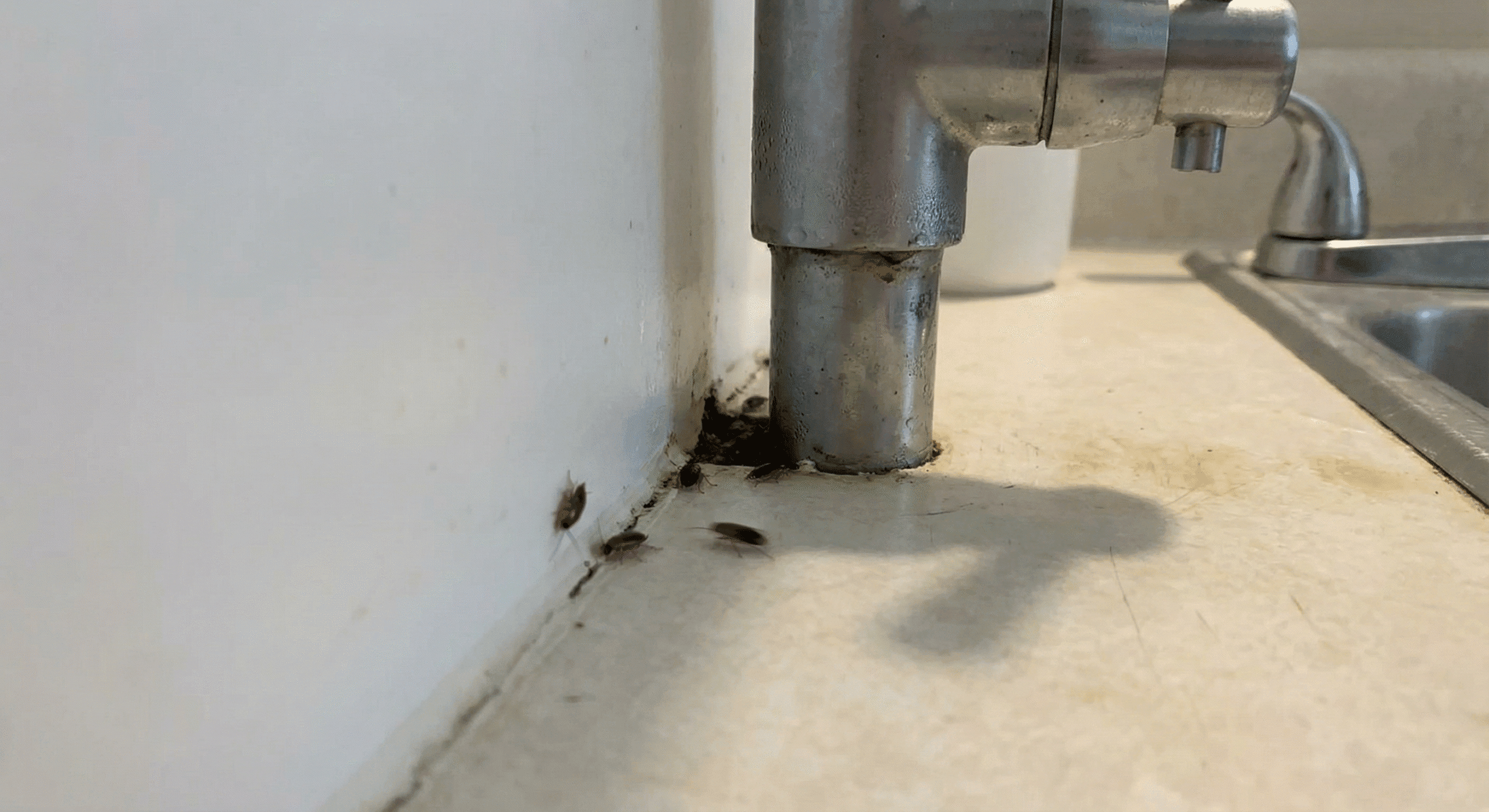
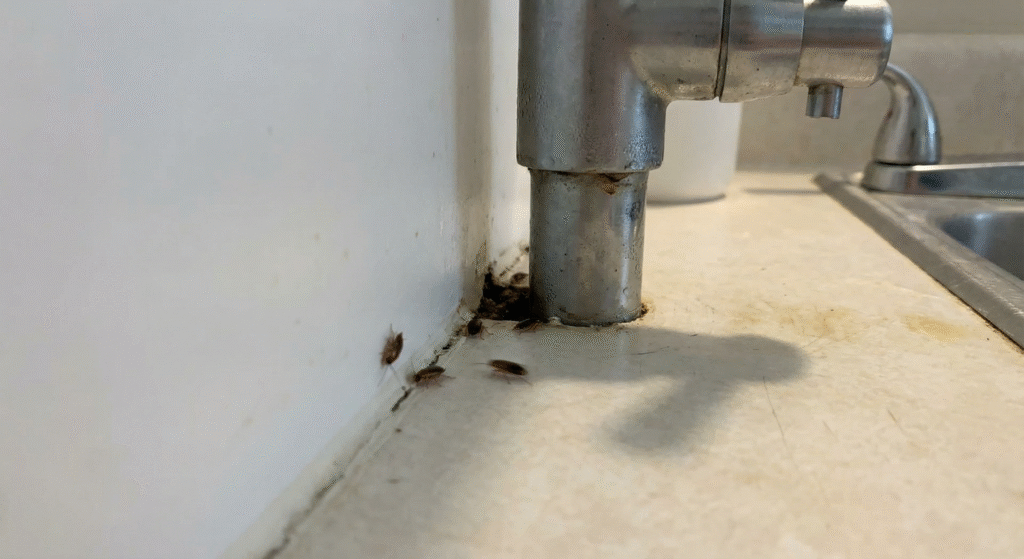
Cockroach Nymphs Everywhere – Is It an Infestation? Cockroach nymphs everywhere in your kitchen, bathroom, or living spaces can send waves of panic through any homeowner. These small, dark-colored baby roaches are often the first visible sign that something is seriously wrong in your home.
When you start noticing these juvenile insects crawling around, especially during daylight hours, it typically indicates a growing population that needs immediate attention.
Understanding what these nymphs mean for your home and how to respond quickly can make the difference between a manageable problem and a full-blown infestation.
This guide will help you identify baby roaches, understand why they appear, and take effective action to protect your living space.
What Are Cockroach Nymphs?
Cockroach nymphs are the juvenile stage of cockroaches, appearing after eggs hatch from the egg cases called oothecae. Unlike adult roaches, nymphs are smaller, lack fully developed wings, and often appear lighter or different in color depending on their age.
These young roaches go through multiple molting stages before reaching adulthood. During each molt, they shed their exoskeleton and grow larger.
The entire process can take anywhere from a few weeks to several months depending on the species and environmental conditions.
Physical Characteristics of Baby Roaches
Baby roaches are significantly smaller than adults, typically measuring between 3 to 8 millimeters when first hatched.
Their bodies are usually darker than adults, appearing black or deep brown immediately after molting, then gradually lightening as their exoskeleton hardens.
Most nymphs have a more cylindrical body shape compared to the flatter appearance of mature cockroaches. They move quickly and tend to scatter when exposed to light, making them challenging to catch or observe closely.
How Nymphs Differ from Adult Cockroaches
The most obvious difference between nymphs and adults is size. Adult cockroaches can reach 1 to 2 inches in length, while nymphs start much smaller and gradually increase through each molting stage.
Wing development is another key distinction. Adult roaches have fully formed wings that lie flat against their backs, while nymphs either have no wings or only small wing buds that become more prominent with each molt. This makes identification relatively straightforward once you know what to look for.
Why Am I Seeing Baby Roaches Everywhere?
Discovering baby roaches throughout your home is rarely a coincidence. These juveniles indicate active breeding is happening somewhere within your property, and the population is expanding rapidly.
Several factors contribute to the sudden appearance of nymphs in visible areas of your home. Understanding these reasons helps you address the root cause rather than just treating the symptoms.
Signs of Active Breeding
When you spot multiple baby roaches, it means female cockroaches have successfully laid egg cases and those eggs have hatched. A single German cockroach female can produce 30 to 40 eggs per ootheca and may create several cases during her lifetime.
The presence of nymphs in various rooms suggests the breeding site is well established. Roaches prefer warm, moist environments with access to food and water, which is why kitchens and bathrooms become prime breeding grounds.
Population Growth Patterns
Cockroach populations grow exponentially when conditions are favorable. What starts as a few adults can quickly become hundreds of nymphs within weeks. This rapid reproduction cycle makes early intervention critical.
Young roaches emerge hungry and begin searching for food immediately. As the population increases, competition for resources pushes them into more visible areas of your home, which is often when homeowners first notice the problem.
Common Places Where You’ll Find Baby Roaches
Nymphs tend to stay close to their hatching location initially, but as they grow and the population expands, they spread throughout the home. Knowing where to look helps you identify the extent of the problem.
Kitchen Areas
Kitchens provide everything cockroaches need to survive. Baby roaches congregate under sinks, behind appliances, inside cabinets, and around garbage areas where food particles and moisture are abundant.
Check behind your refrigerator, stove, and dishwasher regularly. These warm appliances create ideal microclimates for roach development. Even small crumbs or grease buildup can sustain a growing population.
Bathrooms and Moisture-Rich Zones
Bathrooms offer constant access to water, making them attractive to all life stages of cockroaches. Look for nymphs around toilet bases, under sinks, in shower drains, and behind bathroom cabinets.
Leaky pipes or persistent condensation create perfect conditions for breeding. The combination of moisture and darkness makes these spaces particularly vulnerable to infestation.
Hidden Spaces and Cracks
Baby roaches exploit tiny cracks and crevices throughout your home. Wall voids, gaps around baseboards, spaces behind electrical outlets, and areas under flooring all serve as hiding spots during the day.
These concealed locations protect nymphs from predators and provide the darkness they prefer. As populations grow, you’ll notice them venturing out more frequently, even during daylight hours.
Seeing Baby Roaches But No Adults: What Does It Mean?
Many homeowners report finding numerous baby roaches while rarely spotting adult cockroaches. This pattern can seem confusing but actually reveals important information about your infestation.
Adult cockroaches are more cautious and primarily nocturnal. They’ve survived long enough to develop strong avoidance behaviors toward light and human activity. This makes them excellent at staying hidden even when their offspring are more visible.
Why Adults Stay Hidden
Mature roaches have learned where the safest hiding spots are located. They typically only emerge at night when human activity is minimal. Their larger size also means they require less frequent feeding trips compared to rapidly growing nymphs.
Adults also produce pheromones that guide younger roaches to food and water sources. This allows adult cockroaches to remain concealed while their offspring do the riskier work of foraging.
The Lifecycle Connection
The presence of many nymphs without visible adults often means the breeding population is well established but deeply concealed. Adult females may be hiding in wall voids, under insulation, or in other inaccessible areas while continuously producing egg cases.
This situation actually indicates a more serious problem than seeing just a few adults. Multiple generations are likely present, with eggs, nymphs of various ages, and adults all coexisting within your home’s structure.
Seeing Baby Roaches During the Day: A Red Flag
When cockroach nymphs everywhere start appearing during daylight hours, it signals a significant infestation that requires immediate attention. Cockroaches are naturally nocturnal creatures, so daytime activity is abnormal and concerning.
Daytime sightings typically indicate one of two problems. Either the population has grown so large that competition for space and resources forces some individuals out during the day, or the infestation has been present long enough that roaches have become bolder about when they move around.
Overcrowding and Resource Competition
As roach populations explode, the best hiding spots and feeding locations become overcrowded. Weaker or younger individuals get pushed out to less desirable areas and times, including daylight hours when risk of detection is higher.
This overcrowding also increases the chances of spotting nymphs in unusual places like countertops, walls, or even ceilings. The infestation has likely spread beyond its original location and now affects multiple areas of your home.
Stress and Disturbance Factors
Sometimes daytime activity results from disturbances to established harborage areas. Renovations, deep cleaning, or pest control treatments can flush cockroaches from their hiding spots, making them visible at unusual times.
However, if you haven’t disturbed their environment and are still seeing nymphs during the day, the population size is almost certainly the driving factor. This requires comprehensive treatment beyond simple DIY methods.
Bugs That Look Like Baby Roaches: Avoiding Misidentification
Not every small brown bug in your home is a cockroach nymph. Several common household insects share similar appearances, and proper identification is essential before starting treatment.
Misidentifying pests can lead to wasted time, money, and effort on inappropriate control methods. Learning the distinguishing features of true cockroach nymphs versus lookalikes protects you from this mistake.
Beetle Larvae and Other Imposters
Carpet beetle larvae are frequently confused with baby roaches. These small, hairy larvae are oval-shaped and covered in bristles, quite different from the smooth, segmented body of roach nymphs.
Ground beetles, certain ant species, and even bed bug nymphs might trigger concern when spotted quickly. Taking time to observe the insect’s movement, body shape, and antennae length helps confirm what you’re dealing with.
True Cockroach Nymph Identification
Genuine roach nymphs have long, thread-like antennae that are often as long as or longer than their bodies. They have six legs positioned toward the front of their body and move in quick, darting motions when disturbed.
Their body is flattened from top to bottom and distinctly segmented. Most species of baby roaches are uniformly dark colored, though some may show lighter banding patterns.
When in doubt, capture a specimen in a sealed container and compare it to online images or consult a pest control professional.
What Does It Mean If You See Cockroach Nymphs?
Finding even a single cockroach nymph is cause for concern, but spotting multiple nymphs indicates active reproduction within your home. This discovery means cockroaches have found your property suitable for breeding and are establishing a sustainable population.
The implications extend beyond just the visible nymphs. For every baby roach you see, many more are likely hiding in concealed areas. Research suggests that visible cockroaches represent only about 10 to 20 percent of the total population present.
Health and Safety Implications
Cockroaches carry bacteria, pathogens, and allergens that pose health risks to your family. Their droppings, shed skins, and saliva contain proteins that trigger allergic reactions and asthma symptoms, particularly in children.
These pests contaminate food preparation surfaces and stored food items. Diseases linked to cockroach infestations include salmonella, E. coli, and various parasitic infections. The larger the population grows, the greater these health risks become.
Property Damage Concerns
While cockroaches don’t cause structural damage like termites, they can harm your property in other ways. They chew on books, paper products, fabrics, and even wallpaper paste when other food sources are scarce.
Their waste products create staining on surfaces and produce a distinctive musty odor that becomes stronger as populations increase. This smell can permeate belongings and is difficult to eliminate without addressing the underlying infestation.
Suddenly Seeing Baby Roaches: Possible Reasons
When cockroach nymphs everywhere appear seemingly overnight, several factors might explain the sudden emergence. Understanding why you’re noticing them now helps you respond appropriately.
Recent Hatching Events
Cockroach egg cases take several weeks to hatch depending on temperature and species. Multiple oothecae hatching around the same time can create a sudden surge in visible nymphs.
This timing often coincides with seasonal changes. Warmer weather accelerates development, meaning spring and summer often bring increased roach activity as eggs laid during cooler months finally hatch.
Environmental Changes
Changes in your home environment can drive cockroaches from their hiding spots. Increased heating or air conditioning use, plumbing repairs, or altered cleaning routines might disrupt established harborage areas.
Even positive changes like improved sanitation can paradoxically increase sightings initially. As you eliminate easy food sources, roaches must forage more actively and range farther from their hiding spots, increasing the chances of human encounters.
Migration from Neighboring Properties
If you live in an apartment, townhouse, or other connected dwelling, cockroach nymphs everywhere might actually be migrating from adjacent units. Pest control treatments in neighboring properties often push roaches through shared walls, pipes, and utility lines.
This external source makes control more challenging since you’re dealing with an ongoing influx rather than just an established local population. Coordinated treatment across multiple units becomes necessary for effective elimination.
Immediate Steps When You Find Cockroach Nymphs
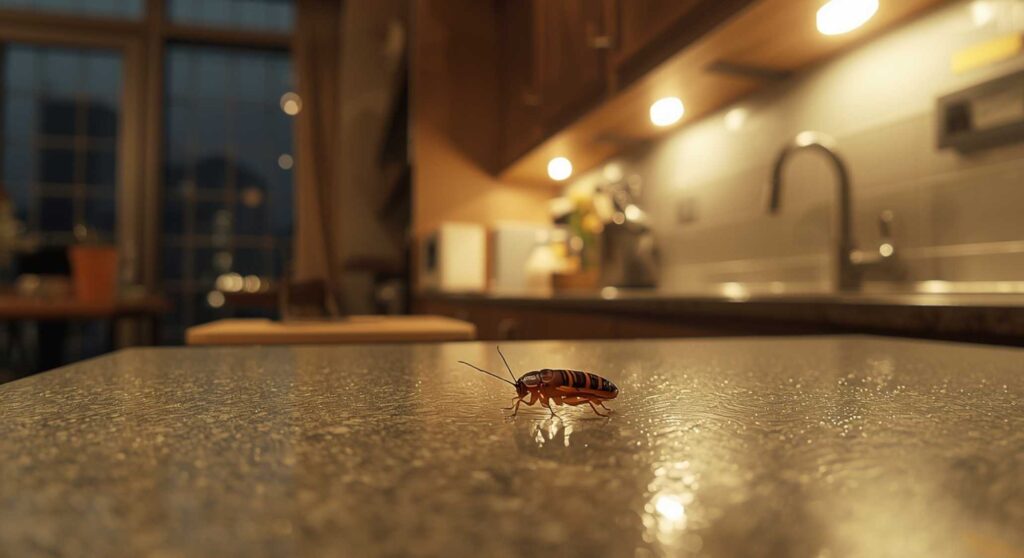
Discovering baby roaches requires swift action to prevent the population from growing further. While professional help is often necessary for severe cases, immediate steps can slow the infestation’s progression.
Document and Assess
Take photos of the nymphs you find and note where you spotted them. Track the time of day and how many you see. This documentation helps pest control professionals understand the severity and scope of your problem.
Inspect your entire home systematically, checking all the common hiding spots mentioned earlier. Understanding how widespread the infestation has become informs your treatment strategy.
Sanitation and Exclusion
Eliminate food and water sources immediately. Store all food in sealed containers, clean up crumbs and spills promptly, and fix any leaky pipes or faucets. Take garbage out daily and keep it in sealed containers.
Seal cracks and crevices around your home with caulk. Install door sweeps and repair damaged screens. While this won’t eliminate existing roaches, it prevents new ones from entering and makes your home less hospitable.
Consider Professional Help
For widespread infestations or situations where cockroach nymphs everywhere continue appearing despite your efforts, professional pest control becomes necessary.
Trained technicians have access to more effective products and application methods than what’s available to consumers.
They can also identify hidden harborage areas you might miss and provide ongoing monitoring to ensure the infestation doesn’t return. Many companies offer guarantees on their services, giving you peace of mind.
Long-Term Prevention Strategies
Successfully eliminating cockroach nymphs everywhere is only half the battle. Preventing future infestations requires sustained effort and environmental management.
Maintaining Cleanliness Standards
Consistent sanitation is your strongest defense against cockroaches. Establish daily cleaning routines for kitchens and bathrooms, paying special attention to areas where food particles and moisture accumulate.
Deep clean behind and under appliances monthly. Vacuum regularly, especially in cracks and along baseboards where roaches hide. Remove clutter that provides hiding spots, particularly in storage areas, basements, and garages.
Regular Monitoring
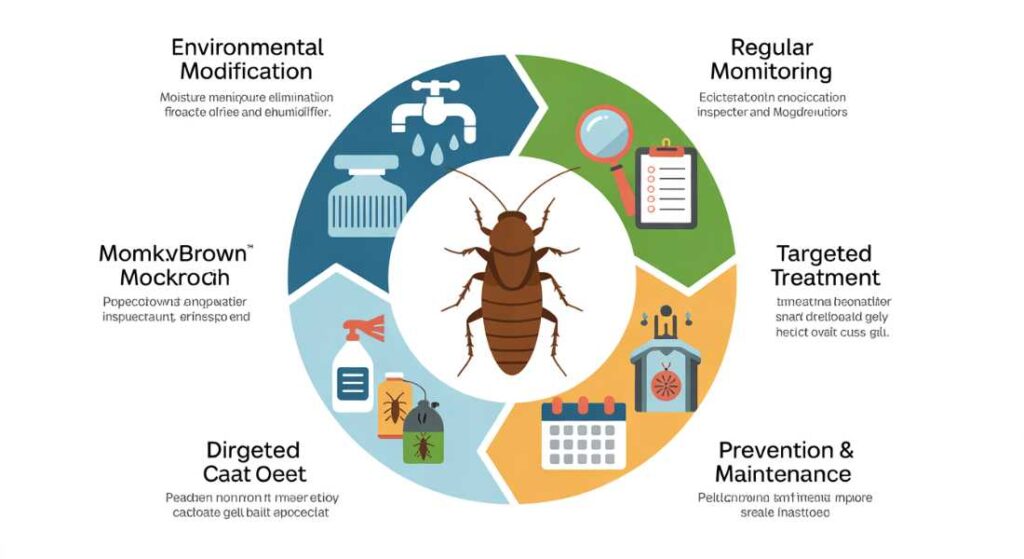
Even after treatment, remain vigilant for signs of returning cockroaches. Set out monitoring traps in previous problem areas to catch any surviving individuals or new arrivals before they can establish breeding populations.
Inspect your home quarterly for conditions that might attract roaches. Address moisture problems, seal new cracks or gaps, and maintain your exclusion efforts. Early detection makes control much easier than dealing with another full infestation.
Building-Wide Cooperation
If you live in a multi-unit building, work with your property management and neighbors to implement comprehensive pest management. Cockroaches don’t respect property boundaries, so individual efforts may prove futile without coordinated action.
Encourage regular professional treatments for the entire building and shared spaces. Support policies that require all residents to maintain sanitary conditions and report pest problems promptly.
FAQS
Why am I seeing so many baby roaches?
Seeing many baby roaches indicates active breeding within your home. Female cockroaches have laid multiple egg cases that have hatched successfully, producing numerous nymphs that are now foraging for food and water.
The large numbers suggest the infestation has been present for several weeks or longer, allowing multiple reproductive cycles to complete. This situation requires immediate professional treatment to prevent exponential population growth.
What does it mean if I see a cockroach nymph?
Seeing a cockroach nymph means cockroaches are breeding in your home and have established a sustainable population. A single nymph indicates that adult cockroaches are present, have mated, and produced eggs that have hatched.
This discovery confirms you have an active infestation that will continue growing without intervention. Even one baby roach should prompt immediate action to locate and eliminate the source.
Why do I keep seeing little cockroaches?
You keep seeing little cockroaches because there’s an active breeding population producing new generations continuously. Cockroach nymphs everywhere become visible when populations grow large enough that competition forces them into open areas.
Young roaches are also less cautious than adults and more likely to be spotted during their frequent feeding trips. Persistent sightings mean your current control efforts aren’t adequately addressing the source of the infestation.
What to do if you find cockroach nymphs?
If you find cockroach nymphs, immediately improve sanitation by eliminating food and water sources, seal cracks and entry points, and consider setting out roach baits or traps. Document where you’re seeing nymphs and how many appear.
For more than a few isolated sightings, contact a licensed pest control professional who can assess the infestation’s extent and implement comprehensive treatment. Continue monitoring even after treatment to catch any surviving individuals before they can reproduce.
Can baby roaches appear without adults?
Baby roaches cannot appear without adults present somewhere in or near your property. Nymphs hatch from eggs laid by adult females, so their presence confirms mature cockroaches exist even if you haven’t seen them.
Adults are simply better at hiding and typically only emerge at night. Focus your efforts on locating and treating the areas where adults are hiding rather than just addressing visible nymphs.
Are baby roaches harder to get rid of than adults?
Baby roaches aren’t necessarily harder to eliminate, but they require different considerations. Nymphs are more resistant to some treatments because they’re actively growing and may not consume enough bait or contact treated surfaces frequently.
However, they also lack the learned avoidance behaviors of adults. Effective control requires products that address all life stages simultaneously, including eggs, nymphs, and adults for complete elimination.
Conclusion
Cockroach nymphs everywhere in your home is a clear warning that demands immediate attention. These baby roaches signal active breeding, growing populations, and the potential for serious health risks if left unchecked.
Understanding what their presence means and taking swift action makes the difference between a minor problem and a major infestation.
Remember that visible nymphs represent only a fraction of the total population. Comprehensive treatment addressing sanitation, exclusion, and targeted pest control gives you the best chance of eliminating these unwanted guests.
Stay vigilant even after treatment, and don’t hesitate to seek professional help when the situation exceeds your ability to manage it independently.
Your home should be a comfortable, pest-free sanctuary. With proper knowledge and consistent effort, you can reclaim your space from these persistent invaders and prevent their return.

Mateen Cee is a dedicated pest control writer who specializes in cockroach identification, prevention, and removal techniques. He creates clear, practical content to help homeowners manage infestations effectively and maintain a clean, pest-free environment with simple, reliable solutions.