

Introduction
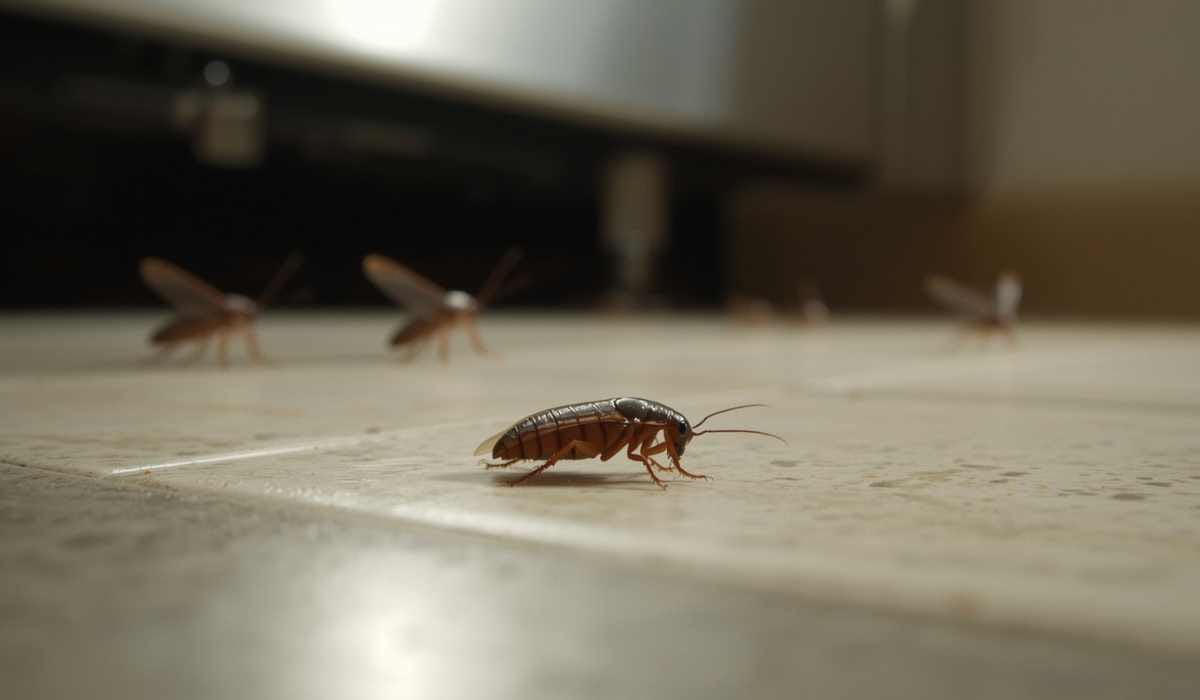
How Small Are Baby Cockroaches ? If you have ever noticed a tiny, fast-moving insect scurrying across your kitchen floor, you might have encountered a baby cockroach. Many homeowners are often surprised by how small these young insects can be.
Understanding their size, appearance, and behavior is crucial for proper pest control. In this article, we will explore how small baby cockroaches are, how they develop, and what signs indicate an infestation.
By the end, you will know how to identify them and prevent them from invading your space.
Understanding Baby Cockroaches
Baby cockroaches, also known as nymphs, are the juvenile stage of a cockroach’s life cycle. They are not miniature versions of adults but instead undergo several molts before reaching maturity.
Their growth depends on environmental factors such as humidity, temperature, and food availability. To understand their size, it is essential to learn how they develop and what makes them so resilient.
What Are Baby Cockroaches Called
The scientific term for baby cockroaches is nymphs. They hatch from small egg cases called oothecae. Each ootheca contains multiple eggs that can produce several nymphs at once.
When the eggs hatch, the tiny nymphs emerge pale and soft before their exoskeleton hardens. During their development, they shed their outer skin several times as they grow larger and darker in color.
Life Cycle of a Cockroach
The cockroach life cycle consists of three main stages: egg, nymph, and adult. Baby cockroaches emerge from eggs and begin feeding immediately. Over the course of weeks or months, they go through multiple molting stages known as instars.
With each molt, their size increases until they resemble adult cockroaches. The number of molts varies depending on the species, but each stage reveals more defined physical features and coloration.
How Small Are Baby Cockroaches in Different Species
The size of baby cockroaches can vary depending on their species. There are over 4,000 known types of cockroaches worldwide, though only a few are considered common household pests.
Understanding their typical size at birth can help you recognize them more easily.
German Cockroach Nymph Size
German cockroaches are among the most common species found in homes. When they hatch, the nymphs are about 1.5 to 2 millimeters long. They are very small, often no larger than a grain of rice.
Their color is dark brown or nearly black, and they do not yet have wings. As they grow, they can reach up to 13 to 16 millimeters in adulthood. Because of their small size, baby German cockroaches can hide easily in narrow cracks, crevices, or behind appliances.
American Cockroach Nymph Size
American cockroaches are larger and more robust than German cockroaches. Their nymphs start out at around 4 to 6 millimeters in length. These young insects have a reddish-brown color and a shiny appearance.
Though larger than other species’ nymphs, they are still small enough to go unnoticed until they mature. They can reach over 40 millimeters as adults.
Oriental Cockroach Nymph Size
Oriental cockroach nymphs are about 3 to 5 millimeters long when they hatch. Their dark brown color makes them blend well with dark or damp environments, such as basements or drains.
They grow more slowly compared to other species, but their nymphs remain active in seeking out food sources like decaying matter or garbage.
Brown-Banded Cockroach Nymph Size
Brown-banded cockroach nymphs are extremely tiny, about 2 millimeters long at birth. They are light brown and often found in warm, dry areas such as furniture or electrical devices. Their small size allows them to hide in tiny cracks within walls or wooden fixtures.
How to Identify Baby Cockroaches
Recognizing baby cockroaches is often the first step in controlling an infestation. Many people mistake them for beetles or other small insects because of their size. Knowing what to look for can help you take quick action before they multiply.
Physical Appearance
Baby cockroaches are small, oval-shaped insects with six legs and long antennae. They do not have wings, unlike adults.
Their color ranges from pale white right after molting to brown or black as they grow. Because they are quick and prefer dark spaces, you might only catch a glimpse of them when you switch on a light at night.
Behavior and Movement
Nymphs are nocturnal and prefer to hide during the day. They come out at night to feed on crumbs, grease, or decaying matter.
Their movements are rapid and unpredictable, making them difficult to catch. When disturbed, they run for cover into cracks, under furniture, or inside wall voids.
Common Hiding Places
Baby cockroaches prefer areas that are warm, dark, and humid. Common hiding spots include behind refrigerators, under sinks, inside cupboards, and near drains.
They can also be found in electronic devices and small gaps between wall tiles. Identifying these locations early helps in controlling their spread effectively.
Why Baby Cockroaches Are a Sign of Infestation
Seeing even a single baby cockroach often indicates a larger infestation nearby. These insects reproduce quickly, and their presence means that adult cockroaches are nesting and laying eggs somewhere in your home.
Understanding why they appear can help you locate the source of the problem.
Rapid Reproduction
Each adult female cockroach can produce multiple egg cases in her lifetime, and each case may contain dozens of eggs. When these eggs hatch, the home can quickly become overrun by nymphs. Because they mature fast, the cycle continues unless interrupted.
Ideal Conditions for Growth
Baby cockroaches thrive in environments with abundant food and moisture. Leaky pipes, unclean surfaces, or leftover food particles provide them with nourishment. Reducing these conditions makes your home less inviting to them and limits their ability to survive.
How to Get Rid of Baby Cockroaches
Once you identify baby cockroaches, taking immediate action is important. Eliminating them requires a combination of cleaning, sealing, and treatment methods that disrupt their life cycle and prevent further breeding.
Clean and Sanitize Thoroughly
Start by cleaning all kitchen surfaces, floors, and hidden corners. Remove food crumbs, grease, and spills immediately. Store food in airtight containers and keep garbage sealed. Regular cleaning reduces the food sources that sustain cockroach populations.
Seal Entry Points
Inspect your home for cracks and crevices along walls, floors, and windows. Seal these gaps using caulk or filler. This prevents both baby and adult cockroaches from entering and nesting inside your home.
Use Targeted Treatments
Insecticidal baits, gels, and sprays can be effective in eliminating baby cockroaches. Apply these treatments near hiding areas where activity is frequent. Natural options such as diatomaceous earth or boric acid can also be used safely in small quantities.
Always follow product instructions carefully to ensure safety and effectiveness.
Maintain a Dry Environment
Cockroaches rely heavily on moisture. Fix any leaky pipes, dry out damp areas, and use dehumidifiers if necessary. Keeping your home dry will make it harder for nymphs to survive and grow.
Preventing Future Infestations
Preventing cockroaches from returning requires consistent effort and awareness. Even after removing visible signs of infestation, eggs or hidden nymphs may remain. Continued maintenance ensures long-term control.
Regular Cleaning Routine
Adopt a daily or weekly cleaning schedule, focusing on kitchen areas, bathrooms, and basements. Clean under appliances and inside cupboards to remove potential hiding spots.
Professional Pest Control
If the infestation is severe, consulting a licensed pest control expert may be necessary. Professionals use safe, targeted treatments that eliminate both adults and nymphs effectively. They can also identify hidden nesting areas that are difficult to reach.
Understanding the Health Risks
Baby cockroaches, though small, can pose significant health risks. They contaminate food and surfaces with bacteria, leading to various illnesses.
Their shed skins and droppings can also trigger allergies or asthma symptoms, especially in children and sensitive individuals. Addressing an infestation promptly helps protect your home from these health concerns.
Conclusion
Baby cockroaches may be small, but their presence signals a growing problem that should not be ignored.
By understanding how small baby cockroaches are, identifying their signs, and following effective cleaning and control methods, you can safeguard your home from an infestation.
Consistency, cleanliness, and awareness are your best defenses against these resilient pests. If the problem persists, consider professional help for a thorough inspection and treatment. Take action today to keep your living spaces clean, healthy, and pest-free.
Frequently Asked Questions
What does a baby cockroach look like
A baby cockroach looks like a smaller version of an adult but without wings. It has a flat oval body, long antennae, and ranges in color from pale white to brown depending on its growth stage.
How small are baby cockroaches when they hatch?
When they hatch, baby cockroaches are about 1.5 to 6 millimeters long depending on the species. They are extremely tiny and often resemble small dark specks moving across surfaces.
Where do baby cockroaches hide?
Baby cockroaches hide in warm, moist, and dark places such as under sinks, behind appliances, inside cupboards, and within wall cracks. They prefer locations close to food and water sources.
What causes baby cockroaches to appear?
Baby cockroaches appear when adult cockroaches have laid eggs nearby. Poor sanitation, leftover food, and moisture attract them and provide ideal breeding conditions for the adults.
Are baby cockroaches dangerous?
Although they do not bite, baby cockroaches carry bacteria and allergens that can contaminate food and surfaces. Their presence may worsen asthma or allergies in sensitive individuals.
How long does it take for baby cockroaches to become adults?
It can take several weeks to a few months for baby cockroaches to reach adulthood. The exact duration depends on factors like species, temperature, and availability of food.
Can you get rid of baby cockroaches naturally?
Yes, you can use natural remedies such as boric acid, baking soda, or diatomaceous earth. Maintaining cleanliness and sealing entry points also helps prevent their growth and spread.

Mateen Cee is a dedicated pest control writer who specializes in cockroach identification, prevention, and removal techniques. He creates clear, practical content to help homeowners manage infestations effectively and maintain a clean, pest-free environment with simple, reliable solutions.